
Inside The Mul Farm: Harvesting The Jasmine Flower That Goes Into The Iconic Chanel Nº5
Take a tour inside the Mul farm, which grows flowers for Chanel's legendary fragrances.
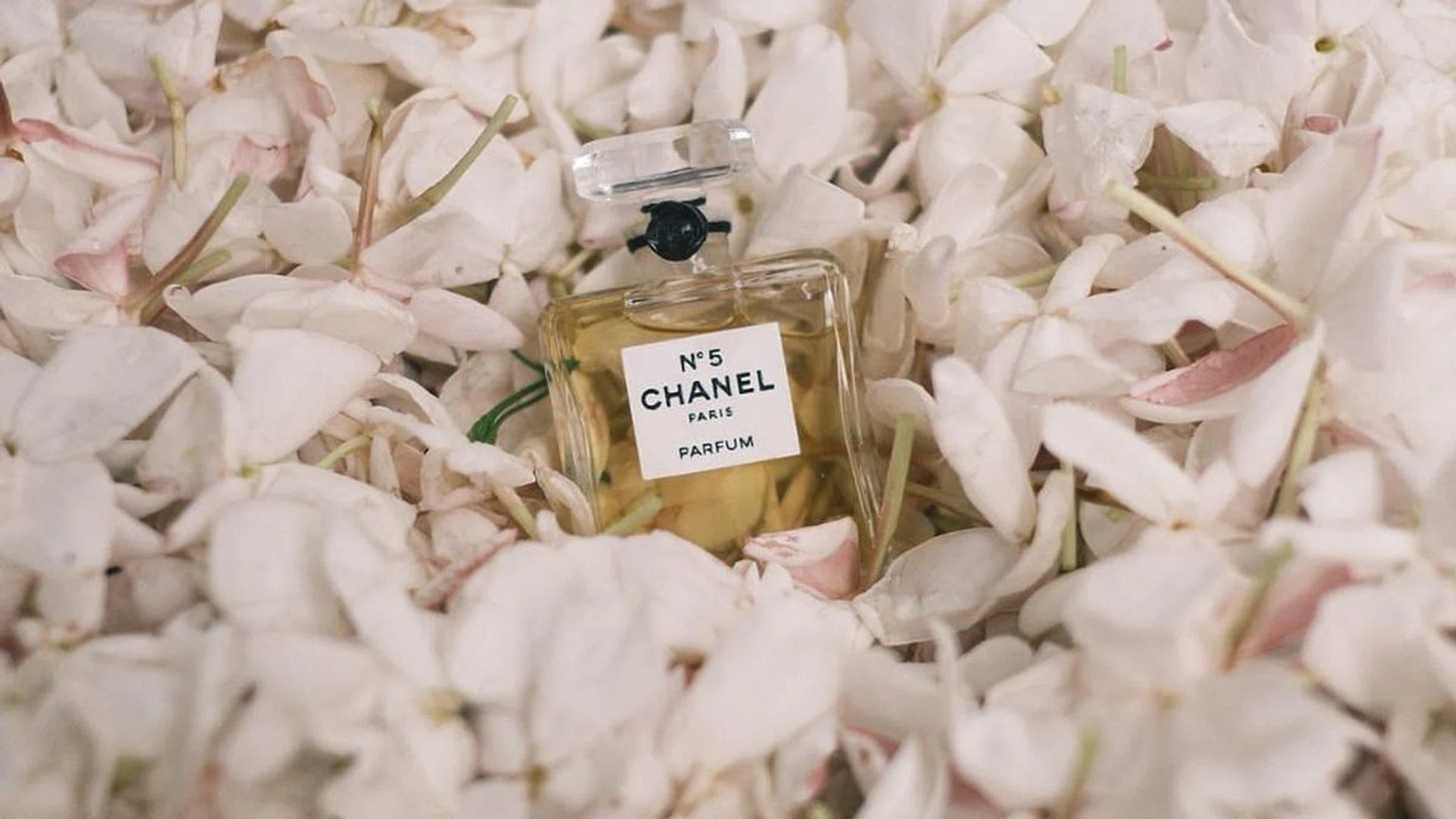
By Arissa Ha - published
There’s something almost magical about watching the world wake up. As dawn painted the skies in Grasse, I stood amidst a sea of white, the air thick with an aroma that felt like a whispered secret between Earth and the heavens. The scent was pure, intoxicating, and almost otherworldly—imagine the sweetest embrace of nature. This was Joseph Mul’s farm, the birthplace of the jasmine that is so integral to Chanel’s legendary fragrances.
The Early Bird Catches The Jasmine
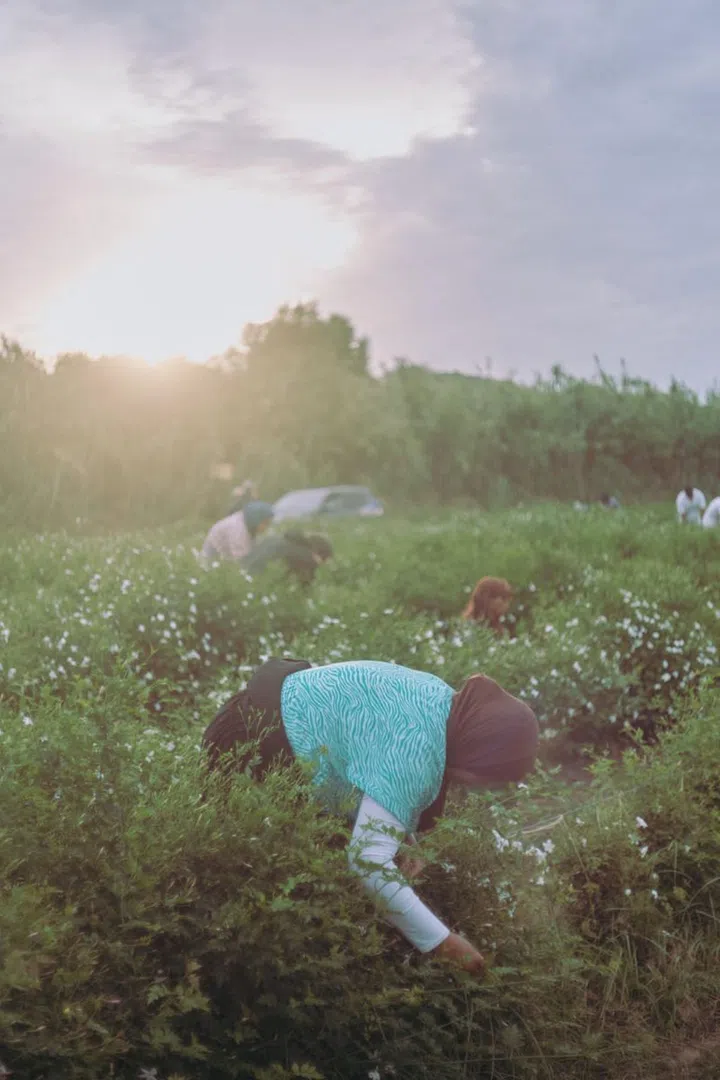
Photo: Chuck Reyes for Chanel
So, why the early start? Jasmine flowers are most fragrant in the morning, their oils at their peak concentration. Moreover, the delicate petals can easily be bruised by the sun’s harsh rays. Picking them in the cooler hours ensures that they retain their integrity and fragrance.
As I wandered through the fields, I watched flower pickers with their seasoned hands, moving with a rhythm honed through the years. Their care and precision were evident: only the finest blossoms were chosen and handpicked. By mid-morning, the day’s harvest is complete.
Related article: Chanel’s Open-Sky Laboratories Pay Homage To Nature
A Scale And A Promise
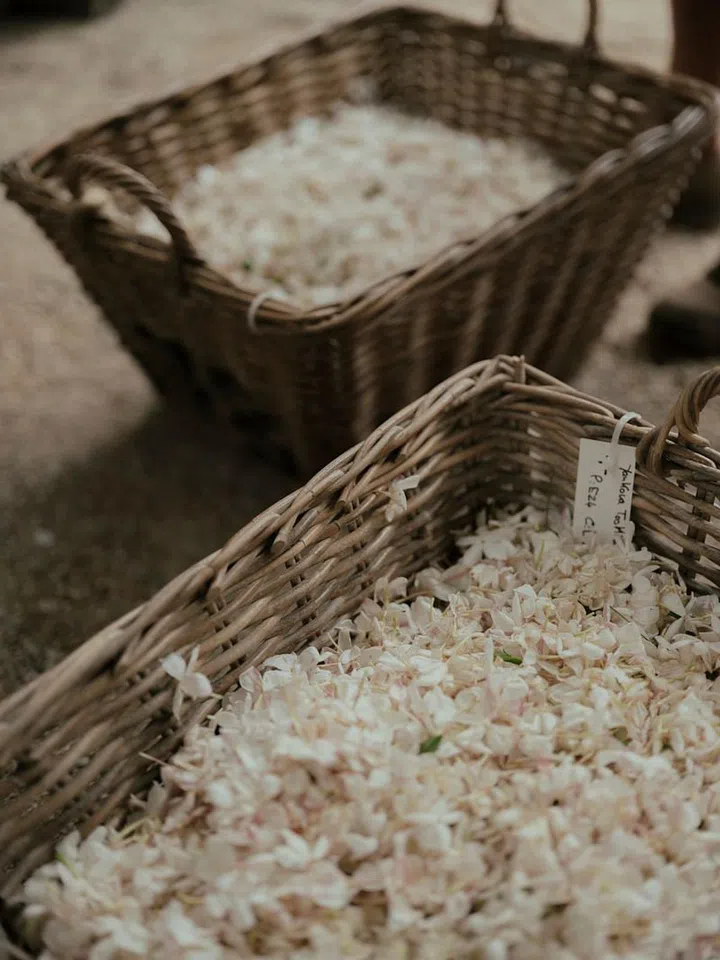
Photo: Virgile Guinard for Chanel
As I watched the freshly harvested jasmine flowers being weighed, a staggering fact hit me: 700kg of these delicate blossoms yield only one kilogram of absolute. That’s 5.6 million flowers, each handpicked with care.
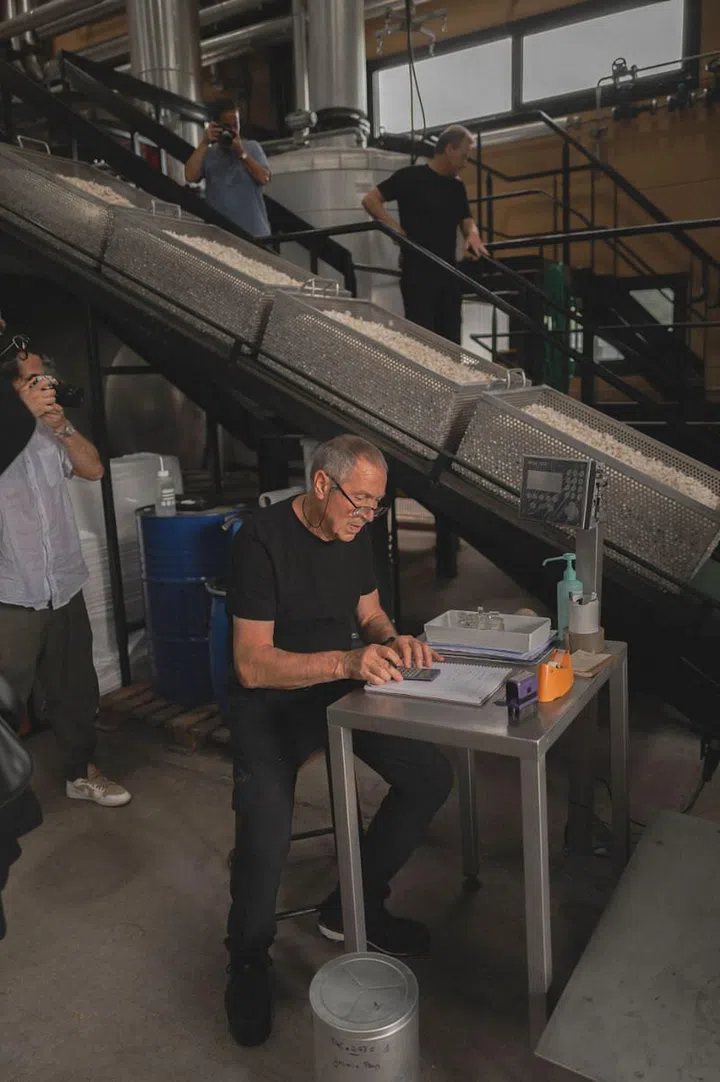
Photo: Virgile Guinard for Chanel
What took me by surprise was Chanel’s ingenious approach. Right at the end of the sprawling fields stood their factory. The reason? Time is of the essence. The flowers begin to oxidise the moment they’re plucked, so processing them immediately is crucial to capture their pristine scent.
Related article: The N°1 De Chanel Range Is Your Secret Weapon Against Skin Ageing
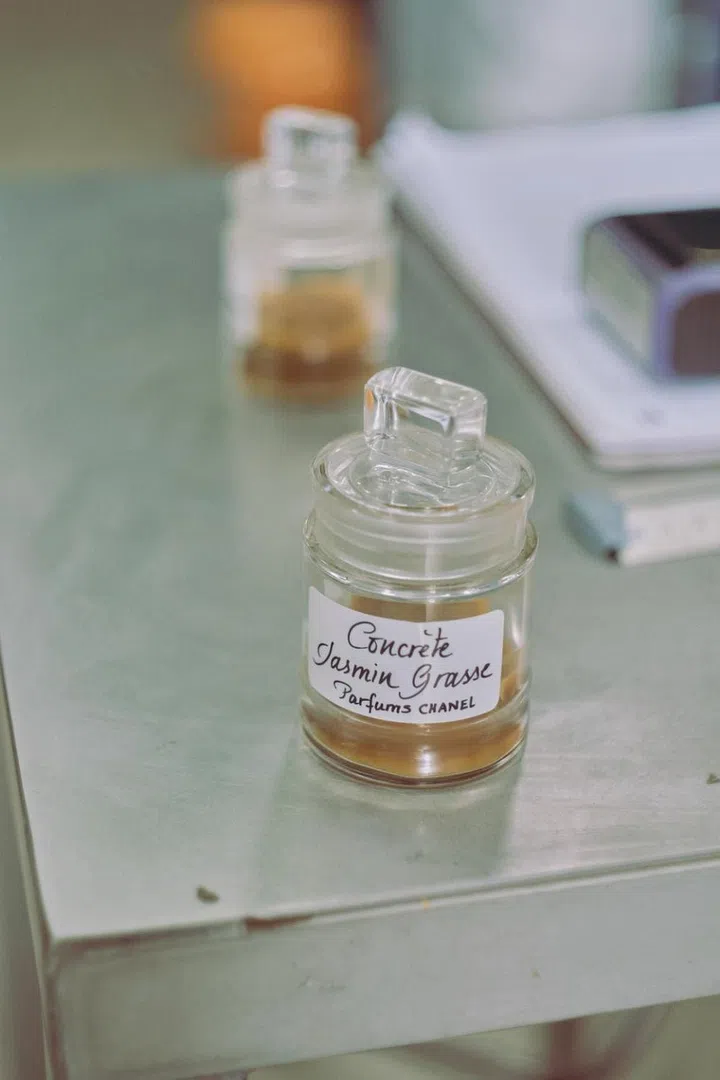
Photo: Chuck Reyes for Chanel
Inside, I observed the flowers being transferred into massive tanks, the “extractors.” Here, immersed in a solvent bath, they began their transformation. What remains after this process is a substance called “concrete,” which has the advantage of preserving the scent of jasmine, while being very stable and suitable for long-term storage. While its rich aromatic profile intrigued me, it’s not until this concrete is further refined that it transforms into the “absolute” — the very essence that dances at the heart of Chanel’s fragrances.
Touching Grasse
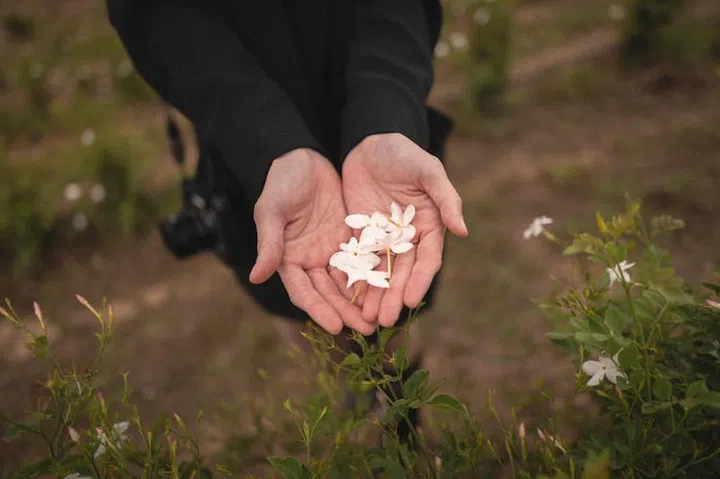
Photo: Virgile Guinard for Chanel
Originating from the Himalayan mountains, the Jasminum grandiflorum found its new home in Grasse during the Renaissance. Drawing a parallel with winemaking, where the same grape variety expresses differently depending on its region of cultivation, the jasmine from Grasse boasts distinct characteristics, setting it apart from its counterparts in India or Tunisia. Olivier Polge, Chanel’s in-house perfume creator, observes, “The Grasse jasmine has a mild and soft scent that is probably fresher than the jasmine that grows in warmer countries, and because of the soil and the climate (in Grasse) developed a green tea undertone.”
As I walked further into the vast expanses of the Mul farm, its history unfolded before me. Witnessing the waning prominence of jasmine cultivation in Grasse since the 1950s, Chanel made a strategic move to protect the integrity of its beloved Nº5 fragrance. In 1987, they forged a partnership with the Muls, ensuring that the blossoms from this 30-hectare farm would continually breathe life into Chanel’s fragrances. The commitment of the Mul family, spanning five generations, deeply resonated with me. Their legacy lies not just in the cultivation of jasmine, but in a rich tapestry of perfume plants: the ethereal May rose, intoxicating tuberose, earthy iris, and fragrant rose geranium. Their dedication to perfecting each bloom was palpable in every corner of their fields—from sustainable farming practices, soil quality, organic fertilisation and water resource management.
Olivier Polge's Olfactory Insights
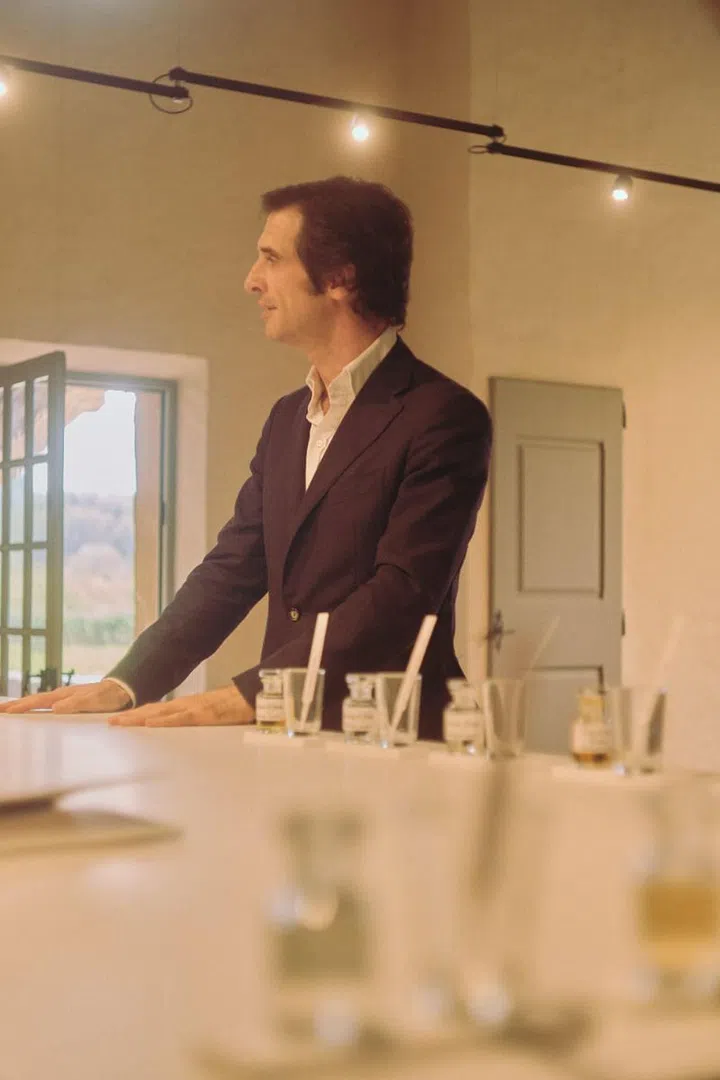
Photo: Chuck Reyes for Chanel
One of the unforgettable moments of my sojourn at the Mul farm was an intimate workshop with Olivier Polge. With a passion that can only come from someone deeply entrenched in the world of perfumery, he led us on a journey of scents, revealing the intricate qualities of Grasse jasmine, and its role in Chanel’s perfumes, most notably the iconic Nº5.
The creation of Nº5 is a tale as legendary as the perfume itself. Commissioned by Gabrielle Chanel, it was the genius of Russian-born French perfumer Ernest Beaux who brought this vision to life in 1921. Drawing inspiration from the crisp, alchemical aromas of the lakes and rivers beyond the Arctic Circle, Beaux presented several fragrances to Chanel. Among these, it was the fifth sample that affected her, leading to the name Nº5.
At its core, Nº5 was abundant in jasmine, complemented by rose, aldehydes, and a symphony of other notes. The sheer volume of jasmine used in the perfume was groundbreaking, pushing boundaries of conventional perfumery. It was as if Gabrielle Chanel was not just crafting a fragrance for the world, but also for herself—a reflection of her bold, audacious personality. Olivier Polge’s insights lent credence this sentiment. He remarked, “Jasmine has quite a strong scent, quite outspoken, and reflects parts of her personality.”
Reflections Amidst The Blooms
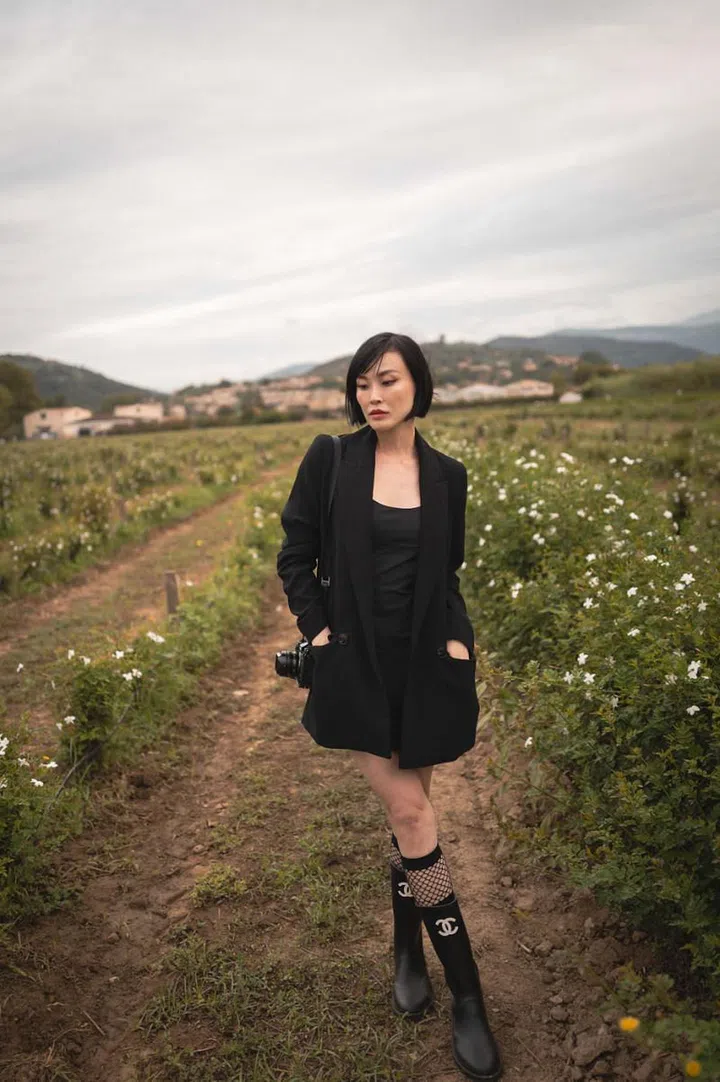
Photo: Virgile Guinard for Chanel
As the sun climbed higher and the fields began to empty of their blossoms, I took a moment to sit and absorb the beauty around me. In a whimsical, almost child-like bid to capture this fleeting moment, I carefully nestled a handful of jasmine flowers into my notebook, hoping against hope that their scent would stay trapped in the pages. But nature, as I’d soon realise, isn’t so easily contained. The aroma faded, a casualty of swift oxidation. Yet, while the tangible jasmine fragrance of that day may have escaped my grasp, the memories are etched deep within my heart—vivid, fragrant and enduring.
And on days when nostalgia beckons, and the longing for that fresh jasmine scent grows, I take solace in the thought that the magic of that day, the essence of Grasse’s fields, is but a bottle of Chanel Nº5 away.