
By Vanessa Chia - published
Living in a time-pressed society, we try to maximise everything we do—including our visits to the skin doctor.
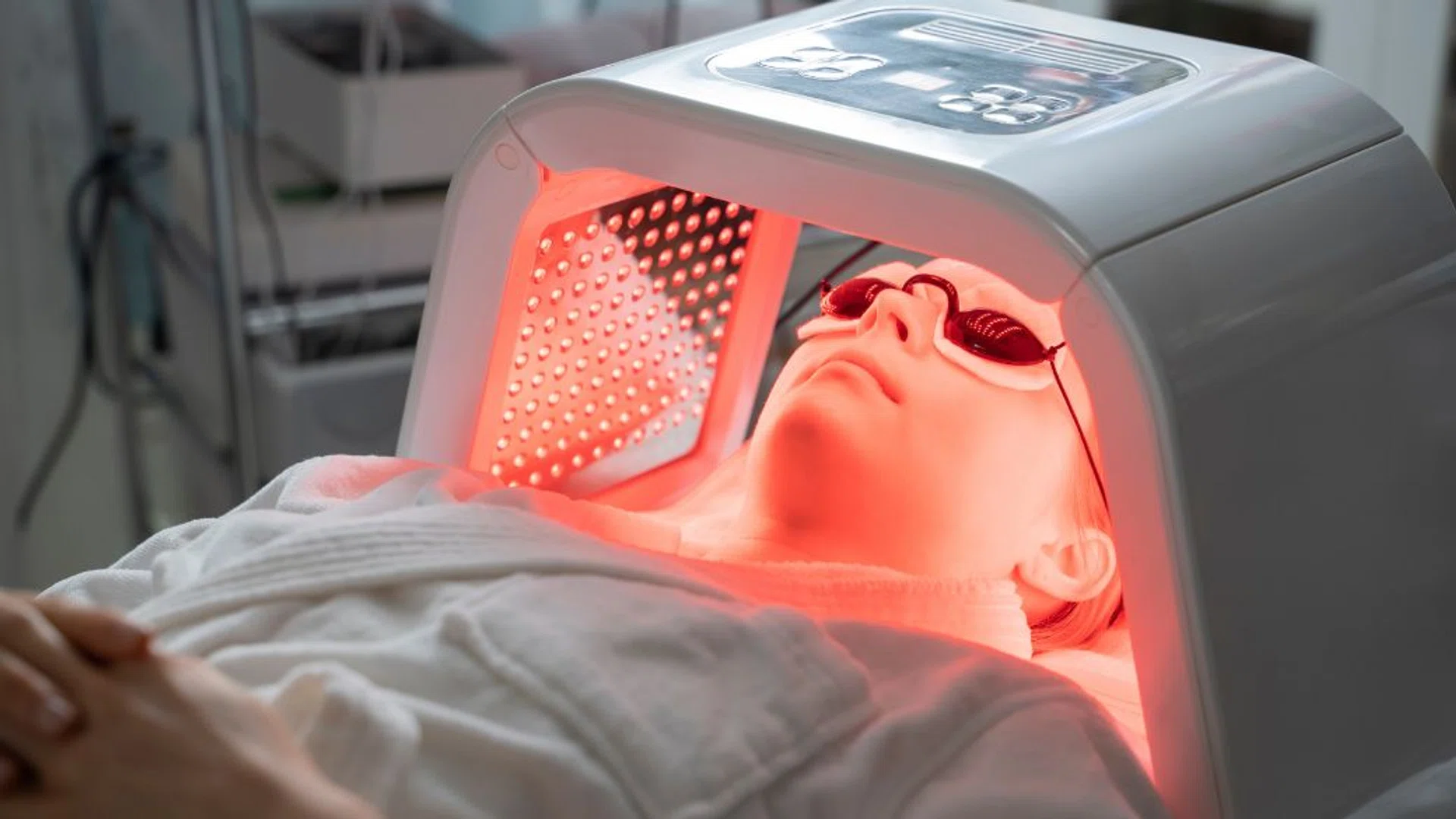
And thanks to social media, we’re often inundated with beauty influencers sharing reviews of aesthetic clinic visits on our FYP, especially while on holiday, from Seoul to Bangkok. The one thing these videos have in common is the number of aesthetic treatments that they do in one session, stacking anywhere from five to even 10 treatments.
Which begets the question: How effective and safe is doing so many treatments in one visit, and what’s the best combination we should aim for?
Related article: Spa & Aesthetics Awards 2025/2026: The Best Aesthetic Treatments In Singapore
The Allure of Treatment Stacking
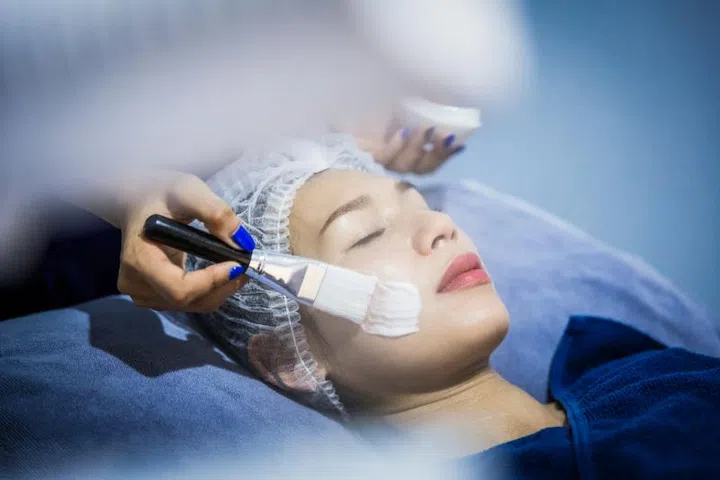
According to Dr Jonathan Lee, senior consultant surgeon and medical director, The Aesthetic Studio, it’s not always a case of less isn’t always better, but more isn’t necessarily merrier either.
“The allure of stacking treatments in one session is, at its heart, the modern pursuit of maximum returns on minimal time. It’s the equivalent of a ‘supercharged buffet for the skin’—efficient, indulgent and potentially synergistic,” says Dr Lee.
Besides efficiency, cost savings are also taken into consideration, says Dr Rachel Ho of La Clinic. Some may also feel that since they’ve already planned for downtime or recovery for the treatment or that they’ve already travelled overseas for this appointment, they might as well maximise the session, she adds.
Not to mention, having content creators share their recovery processes from doing numerous aesthetic treatments in one visit can also encourage the trend.
Interestingly, combining a variety of treatments in a single session can actually be beneficial for the skin. But the key lies in choosing the right treatments as not every treatment pairs well together, say both Drs Lee and Ho.
Related article: 9 Skin Clinics In Seoul For Aesthetic Treatments, Recommended By Beauty Insiders And Enthusiasts
How Much Is Too Much?
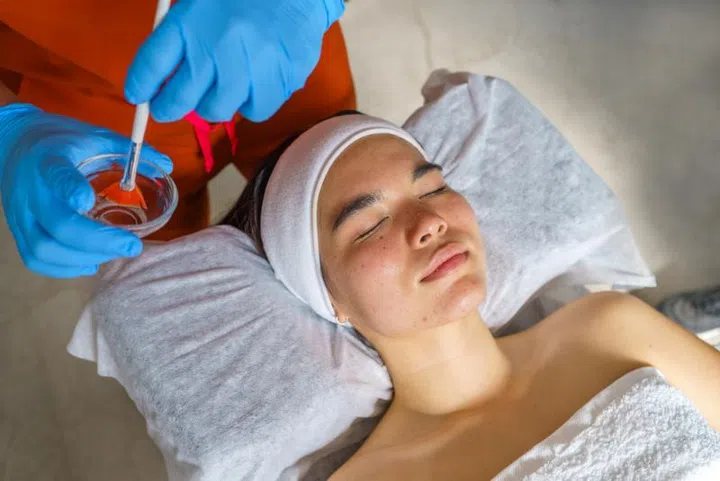
According to Dr Ho, “there isn’t a universal cut off number for safety” when it comes to the number of aesthetic treatments you can do in a single session.
And this is because when it comes to prescribing what treatments can be done, there are a few factors to consider, such as your skin’s condition that day, skin type and medical condition, and of course, alongside the doctor’s clinical judgement as well.
However, Dr Lee shares that stacking two to three treatments together is usually safe and reasonable. “Beyond that, efficacy plateaus while complications, such as irritation, compromised barrier and pigment changes, soar. The skin is a living organ; it needs time to process and repair.”
To maximise results while minimising the risks, opt for treatments that target different layers of the skin or concerns.
“This approach respects the different depths of the skin while avoiding excessive heat to any one layer, and keeps the skin’s barrier function intact,” explains Dr Lee.
Stacking vs Zoning
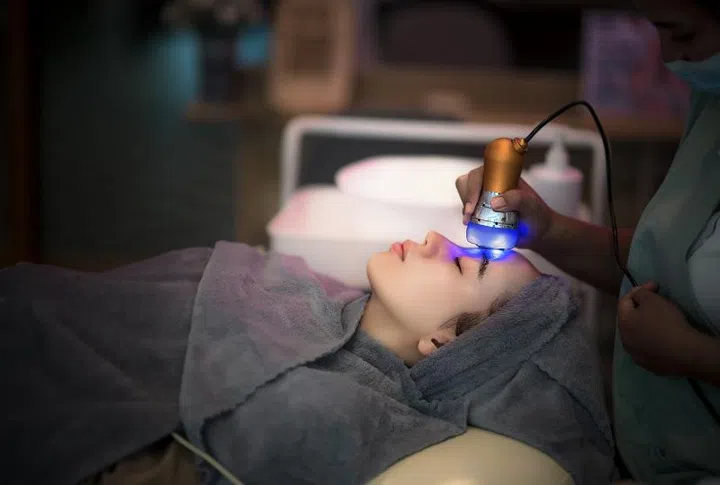
But treatment stacking isn’t the only option.
While the sheer number of aesthetic treatments many content creators share on their social media platforms can sound like they’re overloading their skin, upon closer look, you’ll realise that the treatment are actually being administered onto specific areas of the face only.
Segmenting the face into different zones and dedicating targeted micro-procedures to each zone—radiofrequency for jowls and double chins, non-ablative laser to address hyperpigmentation, or ultrasonic cleansing to remove impurities along the T-zone, can still be safe and effective.
According to Dr Lee, by doing so, it still embodies the foundational principles of treatment stacking, which focuses on differentiated depths, diverse targets and staggered energy delivery.
It’s also much preferred as opposed to saturating the entire face with multiple modalities that might not be unnecessary, but can also lead to heat overload and skin barrier breakdown.
The Right Sequence Matters Too
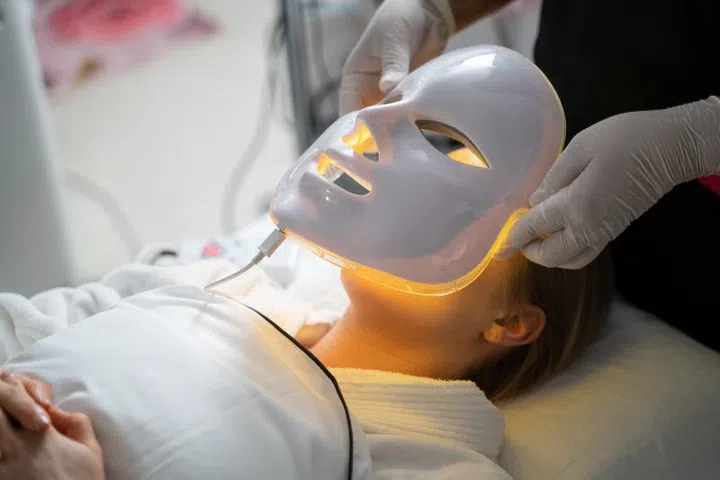
“Think of stacking aesthetic treatments like layering your skincare products,” says Dr Lee. And just like your skincare routine, the sequence in which each product is applied can make a difference.
The right sequence means boosted efficacy and better results, while the wrong order may not only diminish the treatment’s effects, but also increase the risks, especially if underlying skin conditions are not taken into account.
For instance, doing energy-based treatments like High Intensity Focused Ultrasound (HIFU) or radiofrequency energy (RF) after dermal fillers can reduce the longevity of the dermal filler, shares Dr Ho. In addition, “the facial redness and swelling from the energy-based treatment may also obscure the doctor’s evaluation”.
Likewise combining chemical peels and ablative lasers or deep-trauma treatments like factional laser and radiofrequency microneedling should be avoided. When done together, they can aggravate and disrupt the skin barrier, which in turn can lead to prolonged inflammation and overwhelm the skin’s healing capacity, say both doctors.
Dr Lee also advises to avoid doing two overlapping energy-based treatments over the same area, especially if both are used to target the same issue. The excessive heat will only stress the skin’s tissue rather than rejuvenating it optimally.
Safety First Always
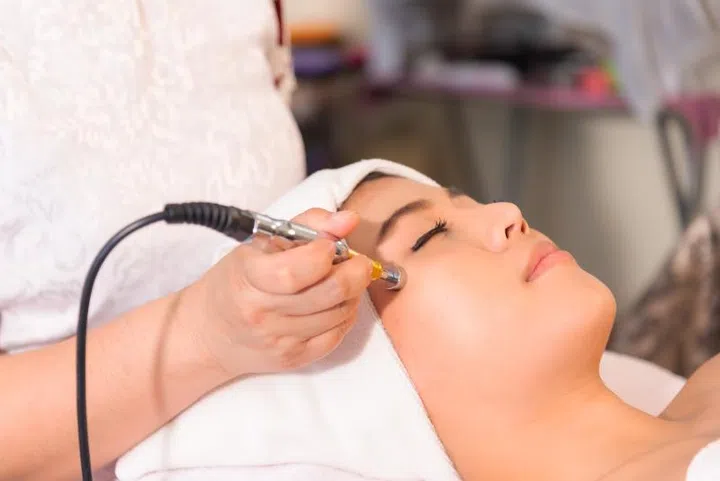
Ultimately, when it comes to combining aesthetic treatments, both doctors state that it requires expert selection by a trusted medical professional and should be personalised to your skin’s unique needs and concerns.
“What’s a ‘power combo’ for one might be a ‘skin sabotage’ for another,” reminds Dr Lee.
And if you’re still planning to book a clinic visit on your next girls’ trip, Drs Ho and Lee advise spacing out the treatments you might want to do over several days, especially if you’re unsure of the side effects.
It’s always better to separate treatments if you are worried about safety or unsure about your tolerance for pain and threshold for recovery, adds Dr Ho.
Plus, it will also allow for early detection if there should be any adverse response to a treatment, says Dr Lee.
Effective Treatment Stacking Combinations to Try
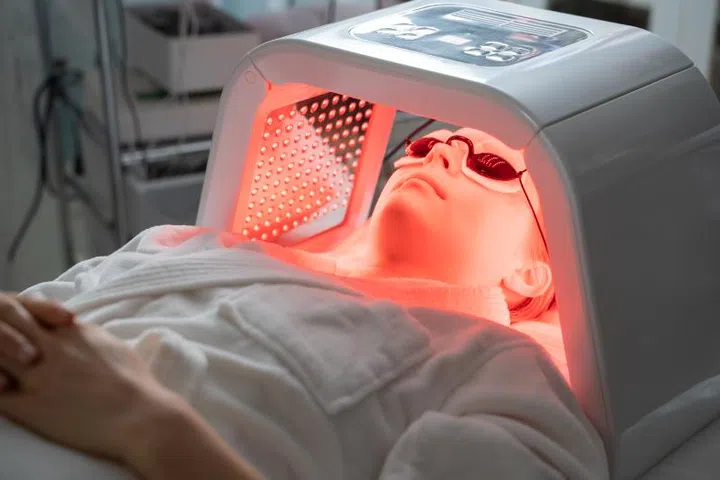
1. For acne and post-acne scars
Try: Chemical peel + non-ablative laser, such as Qswitched Nd Yag laser + LED light therapy
The chemical peel and laser both treat congestion and inflammation in acne, while the LED light allows for improved recovery by reducing any post-treatment inflammation and discomfort.
2. For facial firming or lifting
Try: High Intensity Focused Ultrasound (HIFU) like Ultherapy or radiofrequency energy like Thermage + biostimulators or bio-remodelling treatments like Profhilo
These energy devices stimulate collagen production that promote skin tightening, while the collagen biostimulators or bioremodelling treatments build on this environment by enhancing the collagen and elastin synthesis to increase the remodelling effects.
3. For dry and dull skin
Try: Chemical peel + Pico laser + injectable moisturisers like hyaluronic acid + LED light therapy
The Pico laser works to brighten the skin and lighten dark spots, while the chemical peel sloughs off dead, dull skin and promotes skin renewal. The injectable moisturiser follows to improve hydration to boost skin’s glow, before finishing off with LED light to support recovery and enhance skin’s radiance.
4. For hyperpigmentation and signs of ageing
Try: Non-ablative lasers like Titanium Lifting + Multifrax Digital Peel Laser
The different wavelengths of each device works on different layers of the skin, which, when paired together, are able to tackle skin tone, texture, firmness and even post-acne scars in one session.