
DRESSX Founders Daria Shapovalova And Natalia Modenova On The Future Of Digital Fashion
The future is now
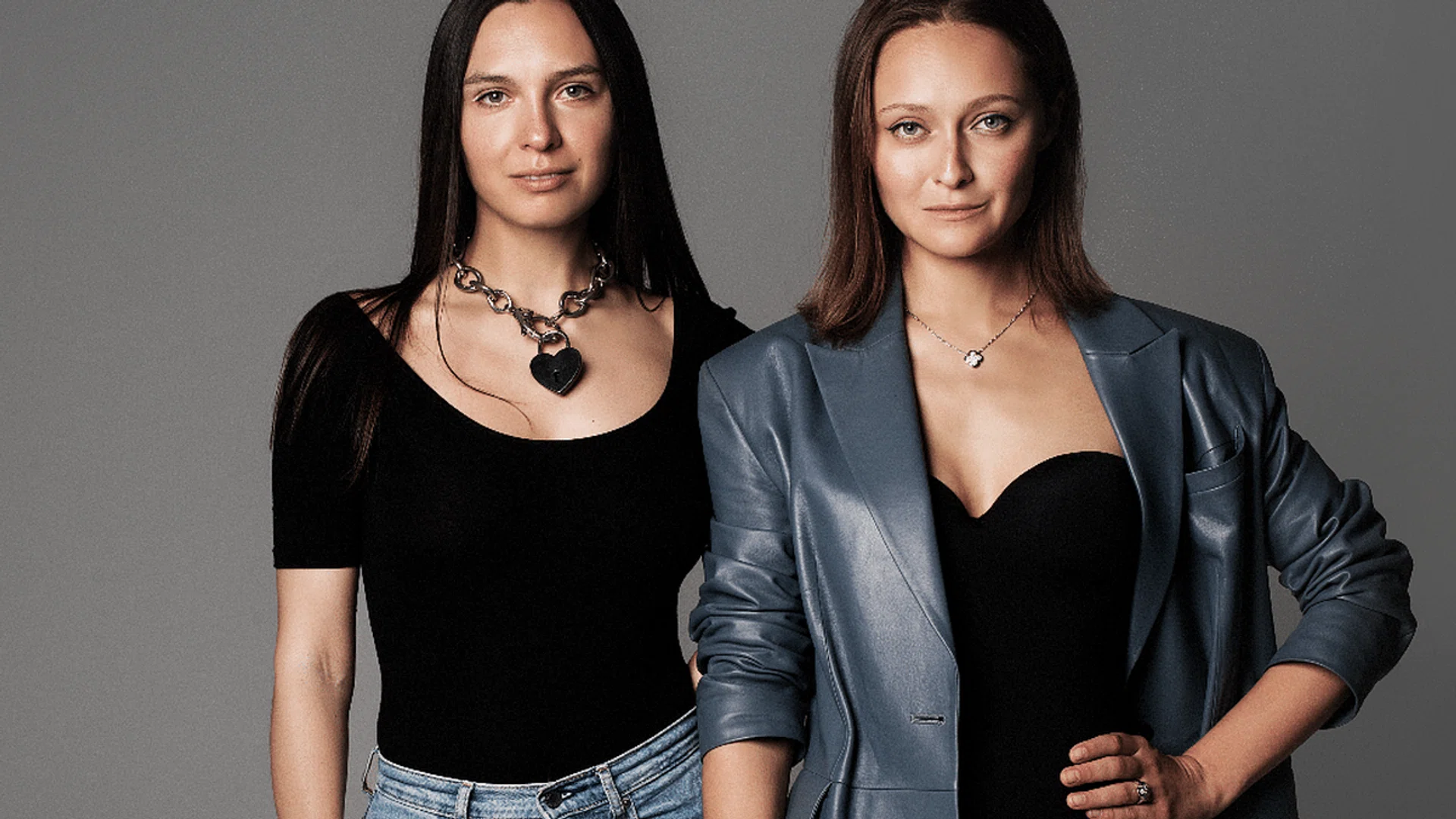
By Gloria Tso - published
As Covid-19 shut down the world one lockdown at a time in 2020, many of us suddenly found ourselves in a dilemma we hadn't experienced before. Instead of worrying about what to wear for whatever occasion, people everywhere now found themselves wanting for occasions to get dressed up for. But while the pandemic limited us in many ways - movement, travel, time spent with our loved ones - for some, it opened up avenues of opportunity to work on new technologies and build up businesses. That's where the founders of DRESSX, Daria Shapovalova and Natalia Modenova, found their calling.
While innovations in digital fashion, Web3 and the metaverse have been in the works for years, the world's interest in the virtual realm grew exponentially during the pandemic. You may not have heard their names before, but Shapovalova and Modenova are largely responsible for that leap. Below, BAZAAR speaks with the two female founders who have been building a new fashion frontier, paving the way for its evolution in the digital space.
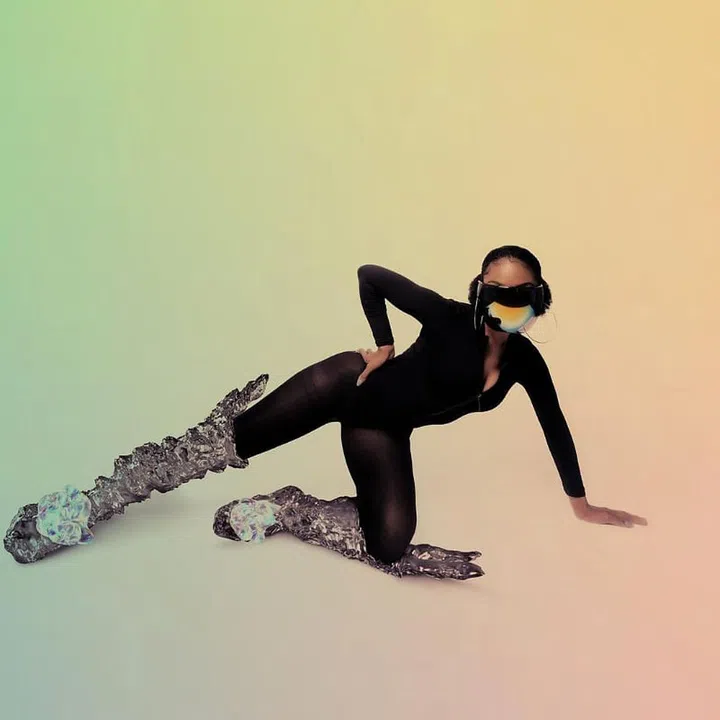
Photo: Courtesy of DRESSX
DRESSX
Related article: The Future Of Fashion: NFTs And The Metaverse
You're considered to be one of the pioneers of digital fashion, and may very well currently be the largest retailer of digital fashion in the world. How does it feel to be leading the way in this new, relatively unknown space? Does it feel intimidating at times to be the flag bearer for this new cause?
Daria Shapovalova (DS): DRESSX was launched in August 2020, and we can see how much the industry has grown over the period of time. Starting when nobody knew what digital fashion was, we have already served hundreds of thousands of users, and welcomed more than 400 digital creators at DRESSX. We see more and more interest from big traditional brands, young digital creators learning 3D software, and of course, people who understand the benefits of digital fashion wardrobes and are willing to become a part of the revolutionary movement. We see this rise of digital fashion as a very natural process in the traditional industry. The growth of people’s online presence and ‘digital lives’ through social media and video calls created a demand for digitally native features, which naturally would also mean digital clothing.
Natalia Modenova (NM): Since its launch in August 2020, DRESSX has established partnerships with several prominent tech, fashion, and lifestyle companies, including Meta, Roblox, Snapchat, Google, Coca-Cola, FARFETCH, Adidas, DUNDAS, and American Eagle, among others. For these brands, partnering with DRESSX means embracing digital fashion and taking advantage of our expertise in creating AR assets. As the industry continues to grow and evolve, these brands understand the importance of being at the forefront of the digital revolution. DRESSX offers comprehensive support to traditional fashion brands as they enter the digital world, from designing and producing 3D collections to distributing and marketing them.
As pioneers in the field, we face the responsibility of setting standards, shaping the industry, and addressing potential skepticism from both consumers and established players in the fashion world. Our mission is to inspire creativity, foster sustainability, and create a seamless convergence of the physical and virtual fashion worlds. We firmly believe that the future of fashion lies in embracing digital possibilities, and we are excited to be at the forefront of this revolution.
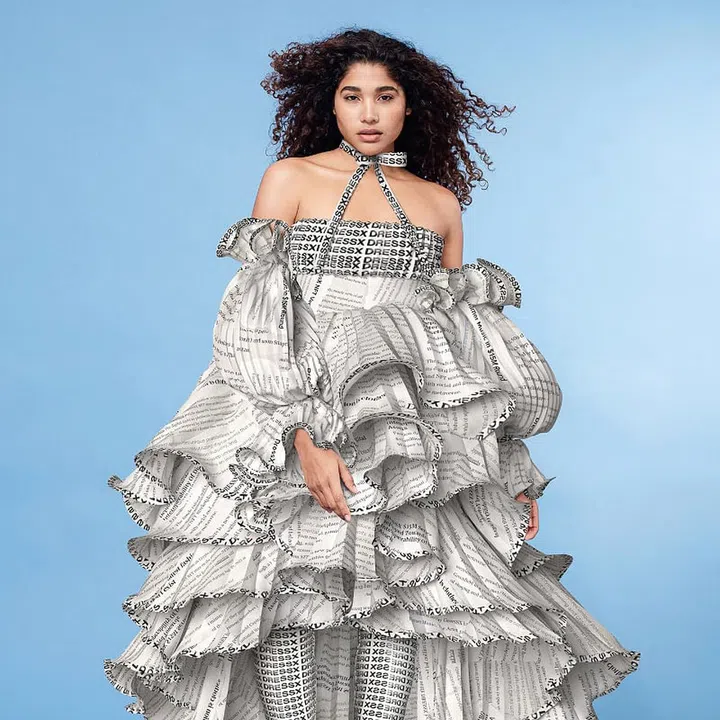
Photo: Courtesy of DRESSX
DRESSX
Two years ago, as we were in the darkest depths of pandemic times, the metaverse and meta-fashion was all the rage. Do you worry that the appetite for and desire to learn about virtual fashion has slowed after COVID?
NM: The pandemic has accelerated the growth of the digital fashion industry by highlighting both of the issues - issue of sustainability in fashion, overproduction, and overconsumption, as well as increased online presence forced by the spread of the virus and the regular lockdowns. Yet, these issues haven’t disappeared with the end of lockdowns. It is not a secret anymore that the fashion industry is considered one of the largest polluters in the world. The production and distribution of the fibres and garments used in fashion all contribute to different forms of environmental pollution, including water, air, and soil pollution, while overproduction and overconsumption of the fashion items are among the main factors creating the pollution. Barclays Bank research has shown that 9% of their credit card customers in some developed countries buy new clothes to make a picture for their social media, only to return them later.
DS: During our efforts in the research of sustainability for digital fashion, we were able to discover that production of a digital garment emits 97% less of CO2 than production of a physical garment. We also don’t need any water during the production of the digital items (besides the water our team drinks on a daily basis), and thus production of a digital garment, on average, saves 3300 litres of water per item, which is enough for one person to drink two litres per day during 3.5 years. By substituting just 1% of physical clothing with digital garments, we will save 5 trillion litres of water and eliminate the annual carbon footprint of the fashion industry by 35 million tons, which is equivalent to the total carbon emission of Denmark in 2017. Just imagine, all of this can be done by switching 1% of our wardrobes to digital! That’s a contribution to our planet that everyone can handle, while still keeping fashion fun and enjoying the thrill of buying new clothes and creating amazing fashion content.
What kind of resistance did you face when you first started pitching your vision for DressX? How did you overcome those challenges and stay true to your vision amid all the noise?
DS: Of course, as is with every innovative idea, we faced skepticism from the industry when introducing the concept of virtual fashion. Yet, consistently working on our product and technology over the years definitely helped us to level up the quality of our services, advance our research and build credibility by collaborating with the established fashion brands and listening to the feedback from our consumers. Continuous learning, self-improvement and unwavering belief in the potential of digital fashion is what definitely helps us to keep going and keep surprising the industry with new possibilities.
NM: Perhaps the biggest challenge of building a digital fashion startup is that there are no examples, no "playbook" or instructions on how the new industry operates. Being one of the pioneers of the digital fashion movement, we have to explore the field ourselves from scratch. At the same time, this is also the most exciting challenge to create something completely new, which never existed before, but only lived in our imagination.
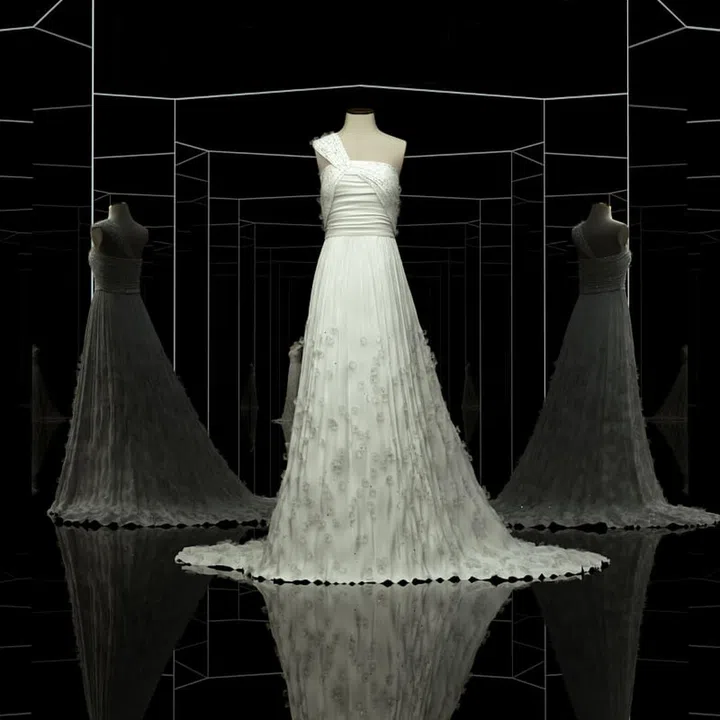
DRESSX's collaboration with Jason Wu. Photo: Courtesy of DRESSX
DRESSX Jason Wu
Can you talk about some of the most exciting milestones in your journey as founders so far? From releasing NFT drops with the likes of Jason Wu and Dundas to partnering with Farfetch for a digital campaign, what stands out to you the most?
DS: This week, DRESSX turned 3 years old, and naturally we had the urge to review some of the biggest moments in the DRESSX history and look back on our most exciting achievements together with the DRESSX team. In these three years, our team grew from 3 to 38 people all around the world, 3D designers' count on dressx.com reached over 400, with over 4000 unique digital garments on the platform, DRESSX’s name made headlines in the international media, from CNN to Forbes and BBC. We brought some of the biggest names of traditional fashion like Tommy Hilfiger, Dundas, Jason Wu, Bershka and many others into the metaverse.
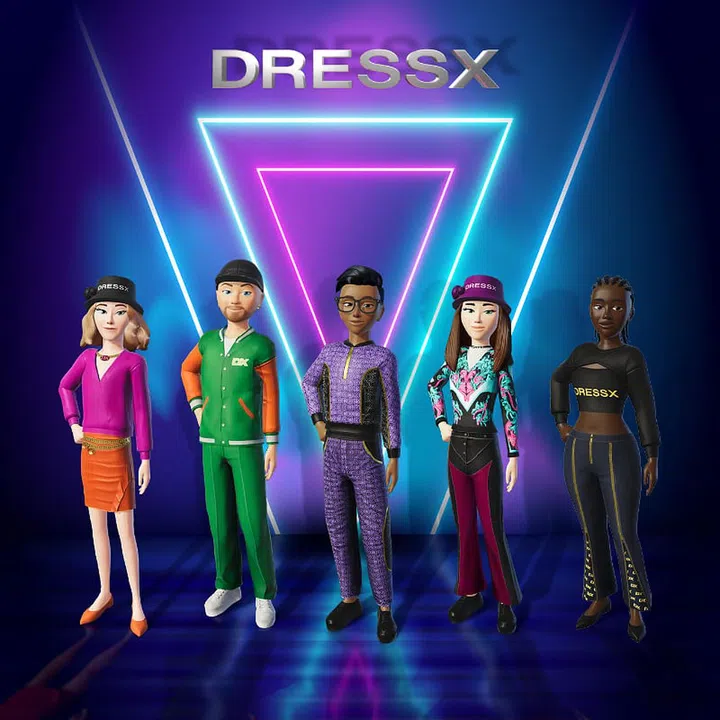
The DRESSX drop on the Meta Avatars Store. Photo: Courtesy of DRESSX
Meta Avatars Store
NM: Speaking about our most exciting partnerships, DRESSX partnered with Snap to provide the use case to the world's most advanced AR technology of full body and face tracking for instant digital dressing on the DRESSX app, showcasing a new use case for digital fashion in social media. We became the first digital-only brand to launch a collection on the Meta Avatars Store, along with luxury brands like Prada, Thom Browne and lifestyle brands like Puma, Madhappy and Netflix. In our first year, we collaborated with FARFETCH to run the world's most sustainable marketing campaign for pre-order collections by Off-White, Balenciaga, Palm Angels, Dolce & Gabbana, Khaite, and Nanushka, powering similar campaigns later on. We brought traditional fashion names like Fendi, Balmain, Mugler, Miss Sohee, Adidas Originals, American Eagle, GAP, and many more to life in the metaverse through the DRESSX app. We helped thousands of people worldwide try on their first couture look from DUNDAS, Clara Daguin, Lever Couture, and more in augmented reality, for free. And not so long ago, we joined forces with Warner Music Group to bring merchandise of leading artists and musicians around the world straight into the meta closets of their fans. It is incredible to realise how much we have achieved in just three years, and we are very excited about all the other releases we are preparing for the near future.
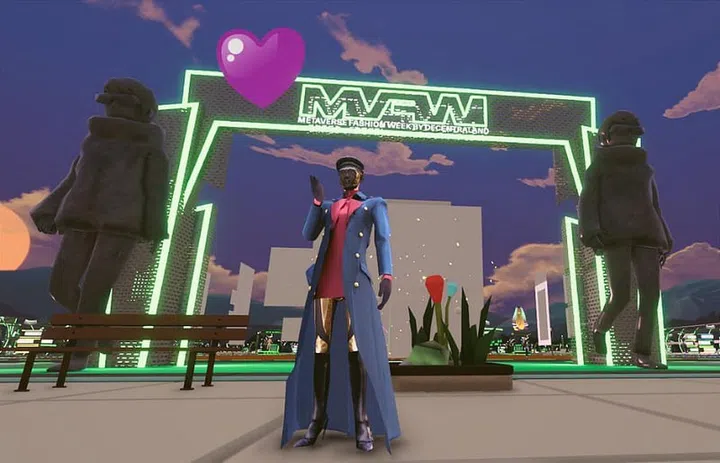
DRESSX x DUNDAS at Decentraland's Metaverse Fashion Week. Photo: Courtesy of DRESSX
DRESSX Decentraland
Take us through some of the most exciting technology DressX uses - your augmented reality app for fashion design, image/video processing technologies for digital dressing and body recognition software, just to name a few. If this is the future of fashion, what other technologies are you most excited to see?
NM: DRESSX was created as a "metacloset," an ultimate destination for both consumers and fashion brands, both digital and traditional, to access the metaverse. DRESSX offers more than just virtual clothing, but a full range of services, including digitising physical collections, creating digital clothing from scratch, and adding utility to fashion NFTs, allowing collectors to wear them in augmented reality through the DRESSX app or in virtual environments like Roblox, Meta and Decentraland. Our ultimate goal is to offer every person in the world an unlimited digital wardrobe for their digital identity with no limitations on creative expression. Additionally, we aim to empower 3D and fashion designers by providing a secure platform for them to create and advance professionally. Meta-fashion presents a great opportunity for the industry to reach new heights, open up new opportunities, create new markets, and become integrated into the digital creative economy.
DS: Our team is working hard to constantly improve and modify our existing technology for digital dressing, making it faster, better and more seamless. We also keep on adding more utilities for fashion NFTs, educating people on the benefits of on-chain fashion clothing. Finally, we are getting ready to release the DRESSX AR camera for video calls, recognising that Skype, Zoom and Google Meets are rapidly becoming the main means of business and even informal communication.

Tommy Hilfiger x DRESSX. Photo: Courtesy of DRESSX
Tommy Hilfiger x DRESSX.
There's no doubt that digital fashion has the potential to revolutionise shopping - but what about some of the risks that come with toying with new technology backed by AI? Do you worry that digital fashion 'giants' will eventually overtake small business owners and traditional artisans?
DS: As we explore the potential of digital fashion, we are mindful of the risks it may pose to small business owners and traditional artisans. Yet, we believe that digital fashion actually provides more visibility to the young and small creators, as opposed to the traditional fashion industry overtaken by big brands and conglomerates.
NM: With DRESSX, we aim to give equal opportunities for the creators all around the globe to showcase their designs and make their creative voices heard in the industry. While we have our own vision for digital fashion with more complicated and bold 3D assets exceeding the boundaries of physical reality, we are trying to keep a fair balance featuring different styles and aesthetics, celebrating creativity and building a diverse community of the fashion creators of the future. Ethical use of AI and data privacy are top priorities, and we adhere to industry-best practices and regulations. Our goal is to create a positive impact on the fashion industry, addressing potential risks through responsible practices and a collaborative approach, empowering both big brands and smaller independent creators for a balanced and sustainable future.
What message do you have for digital fashion naysayers - those who believe it's just a trend rather than a phenomenon that's here to say? What about those who claim something is 'missing' from fashion when you can't get that tactile experience?
NM: To digital fashion skeptics who see it as a passing trend, we want to emphasise that digital fashion is already creating a significant and lasting shift in the fashion landscape. As pioneers in this space, we have witnessed its growing popularity and adoption by consumers, brands, and designers. Digital fashion goes beyond traditional clothing, offering unique and engaging experiences that complement physical fashion, allowing for unparalleled creativity and self-expression and offering endless possibilities and sustainable practices.
DS: We believe that in the future every fashion brand - luxury, haute couture, streetwear, everyone - will own a digital fashion line. Same as [how] high-fashion luxury brands have perfumes or accessories. With a difference from the physical-item price point, digital fashion will become a new way for customers to enter the high fashion world, discovering the new way to shop luxury, reducing their environmental footprint, and experiencing the same excitement from wearing designer pieces in digital. NFTs will add yet another layer, providing a sense of belonging, scarcity effect and a luxury feel, which would not be otherwise achieved in the digital world.

Argentine rapper Tiago PZK's collab with DRESSX. Photo: Courtesy of DRESSX
Tiago PZK Warner Music
What is most exciting to you about the new frontier that is digital fashion? What can you get from the experience which you can't get from the feeling of putting on a traditional item of clothing from your closet?
NM: We are incredibly excited about the endless creativity and transformative potential of digital fashion in the industry. It's a whole new world of possibilities, where we can explore imaginative designs and artistic expressions without any limits of physical fabrics. Digital fashion lets users personalise and experiment with different looks effortlessly, and it's eco-friendly, too.
DS: With the advancement of technology, digital fashion now provides a real-time immersive experience through AR and VR technologies, making you feel like you're actually wearing those virtual garments. And what is more, your DRESSX metacloset is not limited to one place; digital fashion is accessible to anyone, anywhere in the world. Whether you're into virtual worlds, gaming, or social media, you can upgrade your photos, create video content, amp up your avatar or join virtual events like never before.
As female founders in the fashion industry do you have advice for small business owners and others who are just getting their start?
DS: As female founders in the fashion industry, we’ve been through an incredible journey full of learnings over these three years (and more, as we have experienced building traditional fashion companies in the past). First and foremost, follow your passion and stick to your vision - be resilient and stay strong when facing the ups and downs of entrepreneurship, as it is an inevitable part of growing any business. Build a supportive network of mentors, advisors, and like-minded people who can give you valuable insights. And don't forget about sustainability; consider eco-friendly practices right from the beginning, as none of the modern businesses can exist without this important base pillar.
NM: Embrace technology to boost your business's growth potential and always listen to your customers for building loyal relationships. It’s also important to stay up-to-date on fashion trends and events, as timing and relevance is key in fashion. Most importantly, believe in yourself and have confidence in your abilities as you embark on this exciting journey. Remember, building a successful fashion business takes time, so celebrate every little achievement and keep learning and growing along the way.
This interview has been edited and condensed for clarity.