
The Armani Legacy: How Archival Curation Shapes Tomorrow’s Fashion
Marking the 50th anniversary of Giorgio Armani, the Armani/Archivio project honours the fashion master’s life, work and the aesthetics that changed the course of style history.
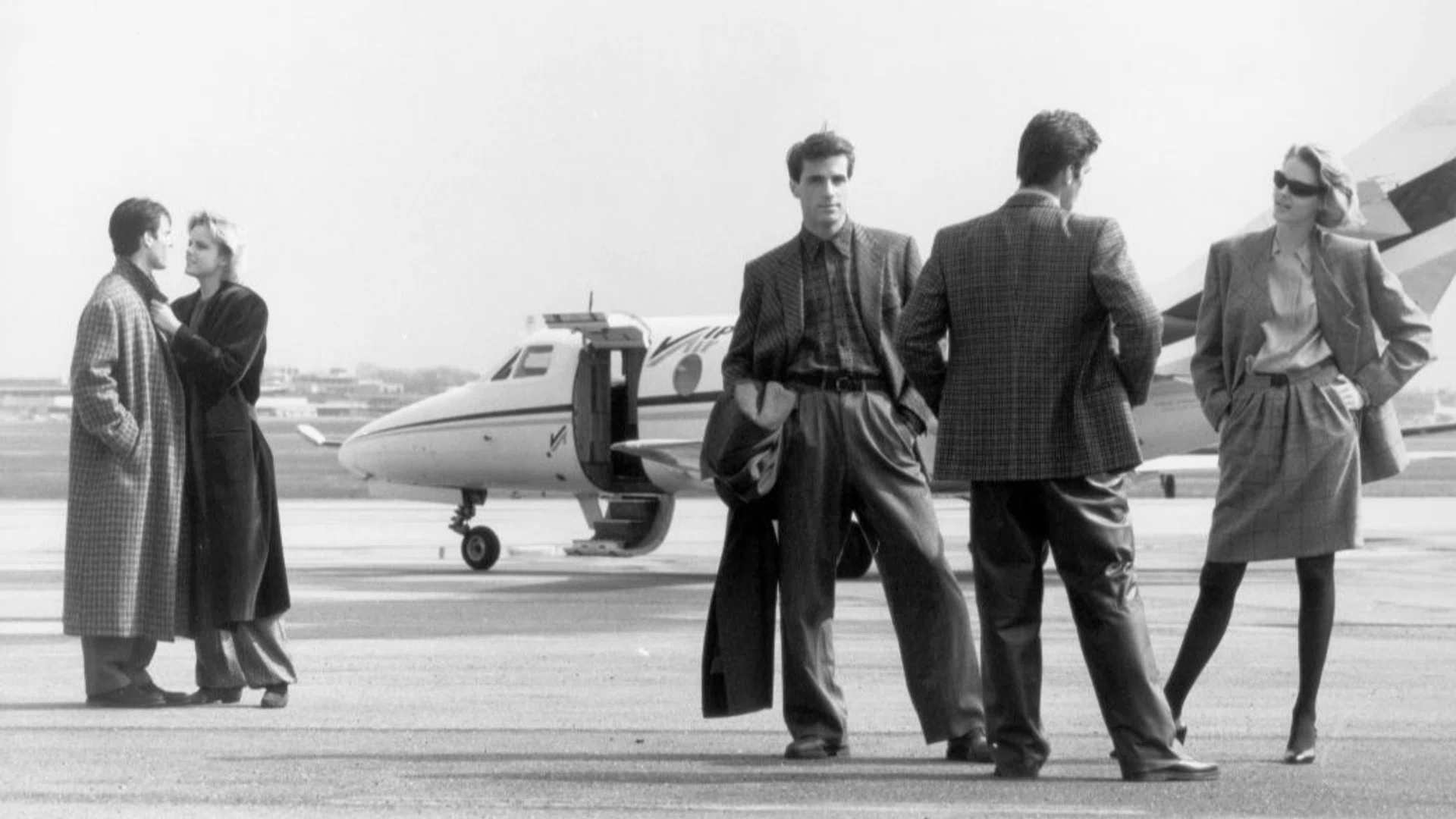
By Harper’s BAZAAR Singapore - published
The Armani jacket changed everything. When Mr Giorgio Armani launched his label in Milan in 1975, he stripped the padding from tailoring, softened the silhouette and gave it a fluidity that felt both radical and inevitable. Shoulders relaxed, trousers slouched, and muted colours—greys, taupes, navy and black—replaced the brashness of the era. It was tailoring without rigidity, elegance without excess.
For women, this new uniform gave authority without the armour. For men, it suggested power through ease rather than aggression. And together, it created what became known simply as the Armani look—understated, androgynous, quietly sensual.
This year, to mark the 50th anniversary of its founding, the House has launched the Armani/Archivio initiative, which is a comprehensive retrospective of Mr Armani’s entire oeuvre, highlighting his landmark innovations in fashion design, imaging, branding and empire building. The launch is also significant in honouring the passing of Mr Armani in early September, which has left a void in the fashion industry.
Rare in the luxury world, the public portal opens the archives in digital form to global audiences, while also offering physical access near Milan.
Related article: Forever Armani: A Tribute To The Italian King Of Fashion
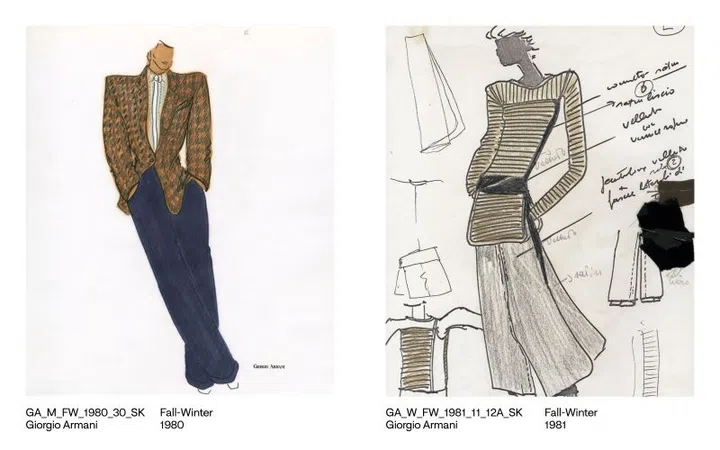
Original sketches are featured in Armani/Archivio.
On Sept 24, during Milan Fashion Week, the House unveiled a curated exhibition at the Pinacoteca di Brera art gallery: over 120 archival looks tracing the evolution of the brand over five decades. Four days later, Giorgio Armani closed the week in the courtyard of Palazzo Brera with the last collection Mr Armani worked on—the spring/summer 2026 women’s collection, shown alongside select menswear looks earlier in June.
Highlights And Milestones
The online archive highlights many important touchstones for the brand, including its early formation (1980s), expansion and global growth (1990s-2000s) and defining images through campaigns, accessory designs and Hollywood influences across time.
The archive catalogues thousands of men’s and women’s looks dating back to 1975. Each piece is organised by collection, by themes such as sculpting, layering, deconstructing and draping, and by period. A design dictionary adds another layer, charting the evolution of styles, silhouettes, materials and accessories, enriched by original sketches and photographs.
Here is a selection of Mr Armani’s iconic looks from the 1980s to the 2020s.
Understated Elegance
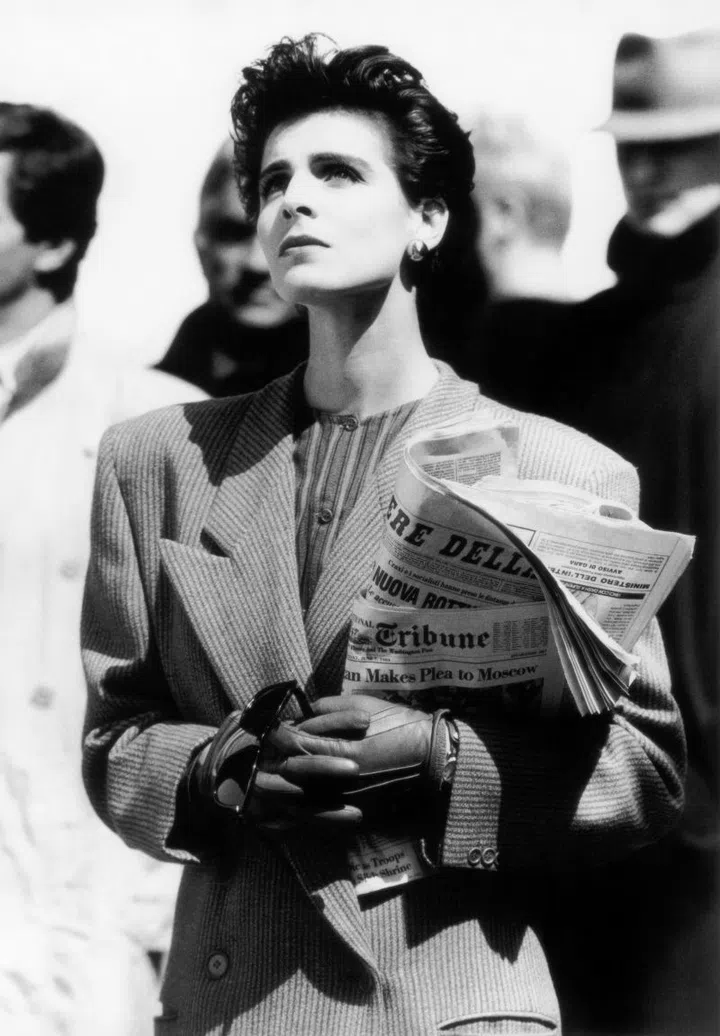
Created about six years after the label’s founding, this fall/winter 1984 look already shows Mr Armani’s aesthetic taking shape – clean lines and understated elegance.
Breaking Barriers
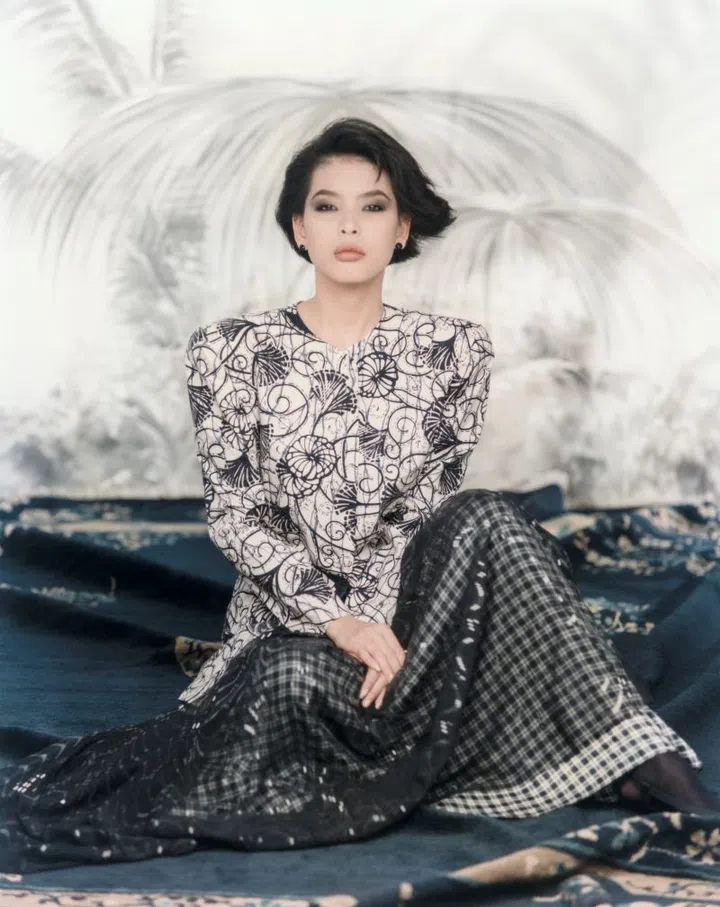
In the mid-1980s, it was highly unusual for an Asian model to front a global luxury campaign. Handpicked by Mr Armani at a casting call, Singaporean model Ethel Fong’s appearance in Armani ads broke industry barriers, challenging stereotypes and expanding visibility for Asian faces in high fashion at a time when diversity was still rare.
Global Influence
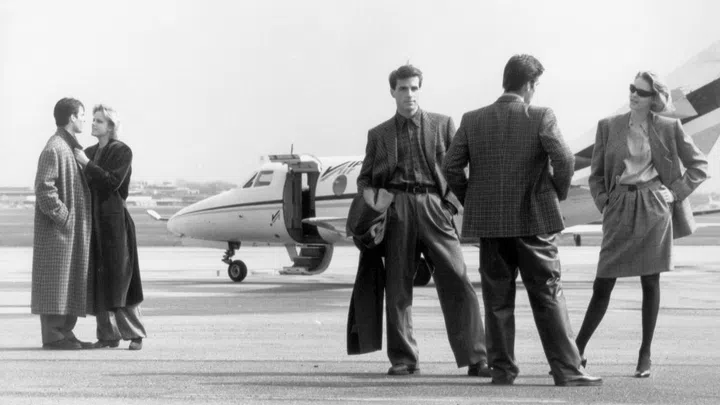
By spring/summer 1984, Mr Armani had firmly established his signature relaxed tailoring, blurring the line between menswear and womenswear. This look reflected the point when his influence went global.
Constancy Amidst Change
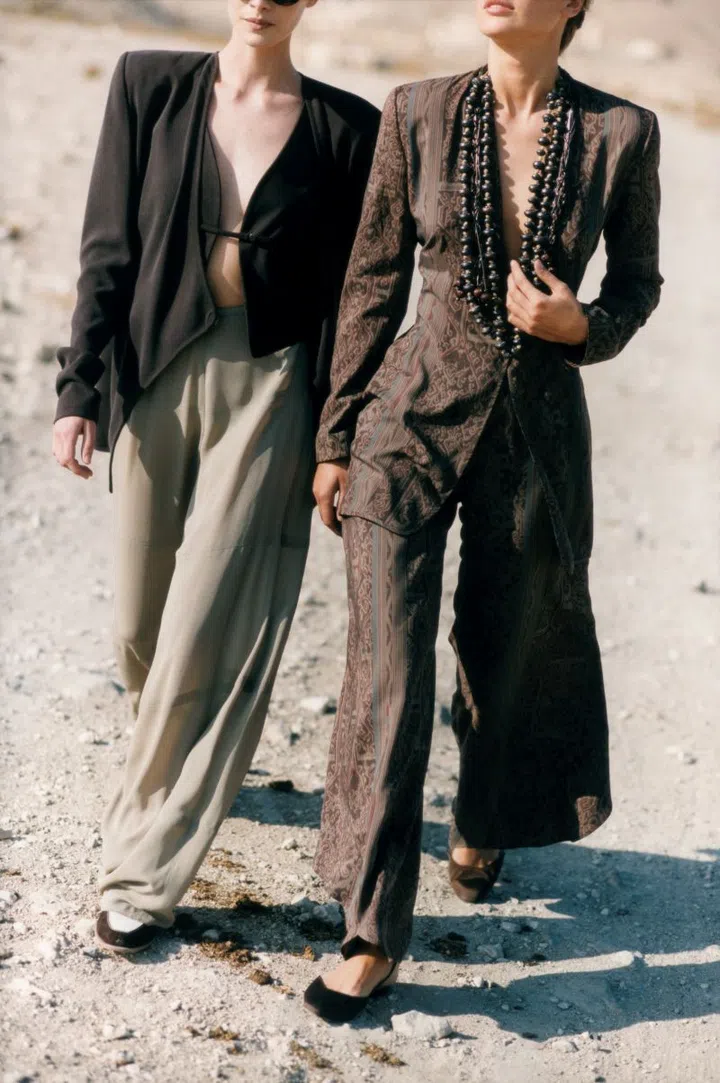
These blouse-and-trouser ensembles from the mid-1990s shows his consistency at a time when fashion was increasingly fragmented by trends. It also marks the period when the brand was expanding into new lines and markets.
Upscale Style
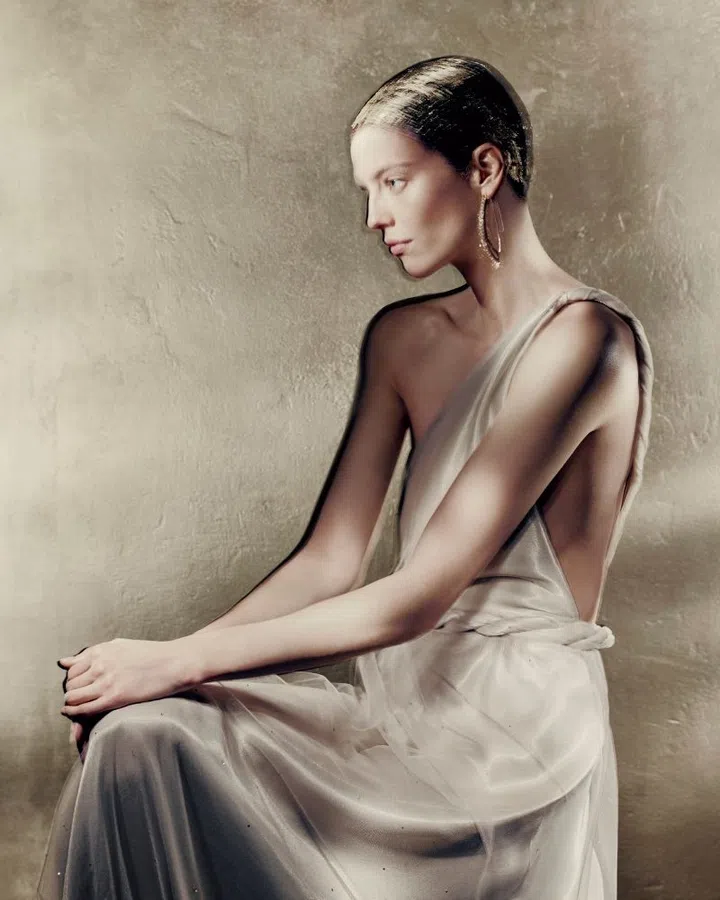
In a 2023 campaign photograph by Paolo Roversi, Mr Armani’s global presence comes through, reflecting the luxury aesthetic of the early 2020s: more emphasis on image and campaign, not only runway.
Related article: Mr. Armani’s Universe
Advocate For Cultural Change
This comprehensive look at Mr Armani’s work holds deep cultural relevance beyond fashion, touching on societal shifts such as the changing roles of women, evolving ideas of masculine and feminine dress, the rise of minimalism and increasing attention to sustainability.
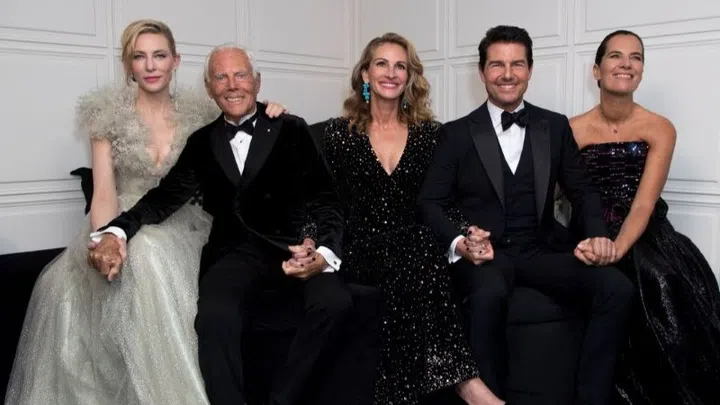
Mr Armani (second from left) with the Hollywood celebrities he loved to dress (from left), Cate Blanchett, Julia Roberts, Tom Cruise and the designer’s niece, Roberta Armani.
The archive also serves an educational purpose: By showcasing how he deconstructed tailoring, experimented with draping and reshaped silhouettes, it provides inspiration and insight for those in design, costume and art history.
Beyond preservation, the archive treats fashion as a living heritage. By re-presenting iconic pieces—sometimes reissuing or making them available in boutiques—it ensures that heritage does not remain locked away, but is instead made accessible to new generations.
Explore Armani/Archivio Stores
After the digital archive launch event at the 2025 Venice Film Festival in August, and opening of its physical space near Milan, the house will bring the archival pieces to its flagship boutiques globally.
The first flagships will include Milan, Paris and London; then Los Angeles in October, timed to the Academy Museum Gala; then New York, Beijing and Tokyo.
Curated archival looks will be made available for purchase in select “archive stores”, each themed to its city, giving customers a tangible way to experience the brand’s heritage.
As fashion leans more on heritage and authenticity, Armani/Archivio offers a clear view of the brand’s design language over five decades, giving it a clear sense of identity as it evolves.
For fashion enthusiasts, students and historians, it is also a valuable record—a precious catalogue of what might otherwise be lost in today’s fast-moving digital world.
Explore the Armani/Archivio portal for more information.