
How Maria Grazia Chiuri Made Her Mark At Dior
As she departs Dior, we look back at how Chiuri turned couture into a conversation about women, craft, and modernity.

By Aaron Kok - published
Maria Grazia Chiuri’s tenure at Dior has been nothing short of transformative.
As the first female creative director in the brand’s storied history, Chiuri has redefined what it means to be a Dior woman. And while the time has come for her to move on, Chiuri’s departure will mark the end of an era defined by a progressive, feminine vision that reimagined the traditional luxury house for a new generation.
In her Instagram post, Chuiri wrote, “After nine years, I am leaving Dior, delighted to have been given this extraordinary opportunity. I would like to thank Monsieur Arnault for placing his trust in me and Delphine for her support. I am particularly grateful for the work accomplished by my teams and the ateliers. Their talent and expertise allowed me to realize my vision of committed women’s fashion, in close dialogue with several generations of female artists. Together, we have written a remarkable and impactful chapter of which I am immensely proud.”
From her bold feminist statements to her embrace of global craft traditions, Chiuri’s work has not only left an indelible mark on the world of fashion but has also reshaped the way we think about luxury, femininity, and the power of clothes as tools of personal expression. As the designer wraps up her tenure leading one of the world’s most respected couture Houses, we reflect on the remarkable imprint Chiuri leaves behind.
Related article: Ins And Outs: Here Are All The Major Designer Changes In Fashion
The first woman at the helm
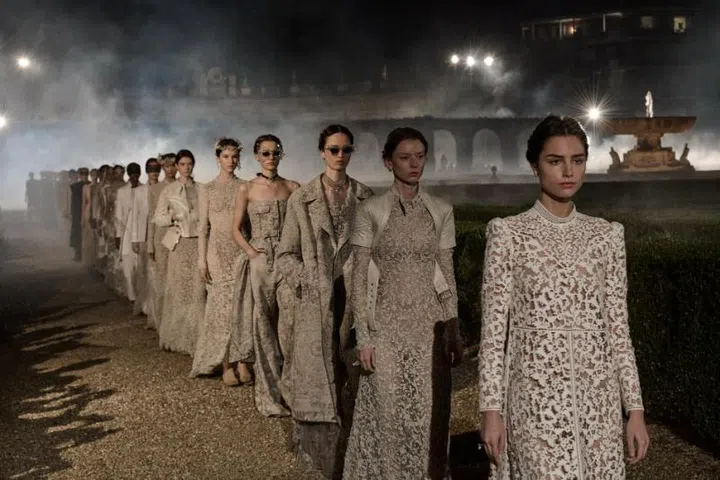
Chiuri made history in 2016 when she became the first woman to lead Dior’s creative team. For a house built on the ethos of femininity—cinched waists, waspish silhouettes, and the now-iconic New Look—it took nearly 70 years for a woman to sit in the top chair.
But Chiuri didn’t just step into the role; she reshaped it. Instead of paying mere homage to Christian Dior’s legacy, she used her tenure to ask bigger questions: What does femininity mean today? Who is Dior’s woman in a modern world? In a brand long steeped in a male-gazed fantasy of womanhood, Chiuri shifted the narrative from muse to maker. Her appointment marked a turning point in how luxury fashion considers the female experience not just as aesthetic inspiration, but as a lived reality worthy of respect and representation.
Related article: 5 Things You Can Expect From Pierpaolo Piccioli At Balenciaga
Fashion as a tool of empowerment
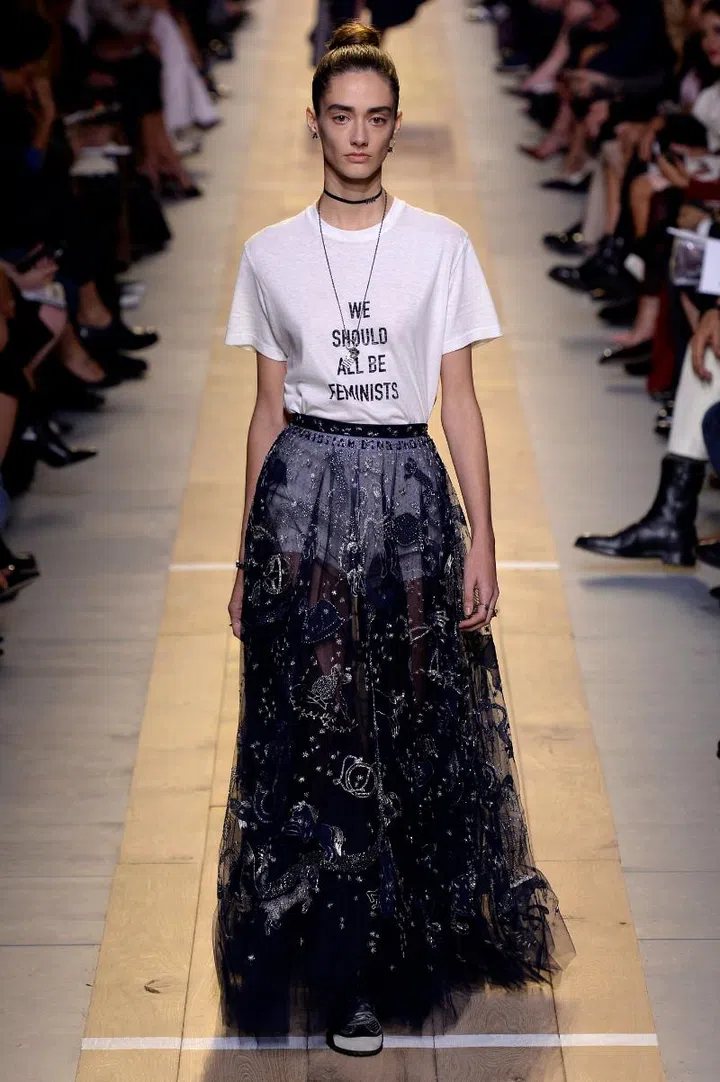
From the get-go, Chiuri made her politics clear. Her debut collection featured a viral t-shirt that read “We Should All Be Feminists,” borrowing the phrase from Chimamanda Ngozi Adichie’s 2014 essay. But Chiuri’s vision of feminist fashion extended beyond slogans. Her work at Dior was deeply engaged in redefining how fashion could serve the lived experiences of real women. She collaborated with female artists and craftswomen, shone light on forgotten textile traditions, and offered clothes that moved with ease and purpose.
At the Dior: Designer of Dreams exhibition in Seoul, longtime collaborator Stephen Jones described her designs as tools of independence—unfussy, functional, and free from the male fantasy of hyper-femininity. Her Dior was one of liberated movement: dresses that could be shrugged off into a suitcase, jackets that didn’t require a valet to fasten. For Chiuri, fashion wasn’t just about beauty—it was about autonomy.
Craft speaks
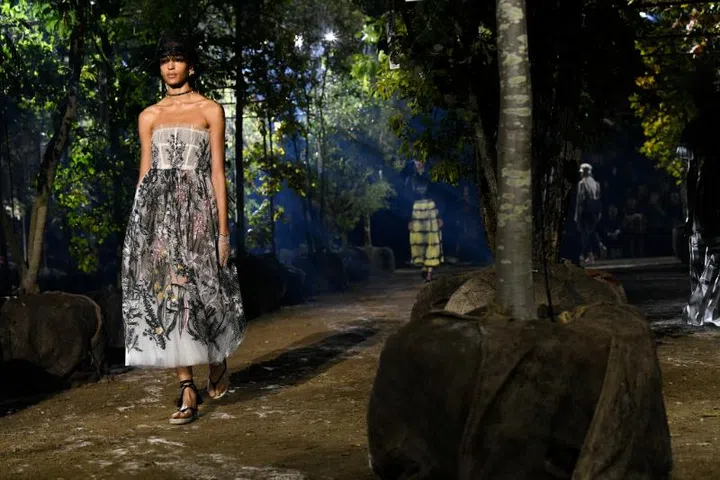
Chiuri’s vision of couture may have been grounded in modernity, but it never lost sight of the artistry at the heart of Dior. What she did was expand that artistry’s vocabulary, as she brought craft into the foreground—collaborating with Indian embroiderers, Mexican artisans, and Italian lacemakers; staging shows that celebrated the intimacy of the handmade; and even rethinking what embroidery could express. Unlike the opulence of old, Chiuri’s craftsmanship wasn’t just about surface—it had soul. In a luxury market obsessed with speed and volume, she sought to honour hands, heritage, and humanity. Her work served as a reminder that fashion, at its best, is not just product—it’s process. And process, when given meaning, becomes poetry.
Related article: All The Fashion News You Need To Know Right Now
Rethinking the Dior woman
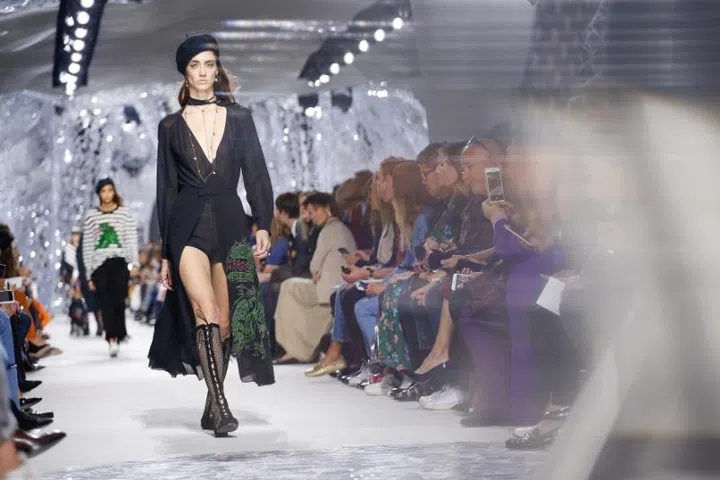
Gone was the icy, untouchable goddess of old. Under Chiuri, the Dior woman emerged softer, more cerebral, more grounded. She wore ballet flats instead of stilettos, sheer tulle skirts with sporty tees, and Grecian dresses that allowed the body to move and breathe. Chiuri’s muse wasn’t aspirational in the traditional luxury sense—she was someone you might know, or even be. Chiuri didn’t just clothe women; she gave them context. Her Dior wasn’t about fantasy as escapism, but about creating space for self-expression, dialogue, and dressing on your own terms.
From Paris to the world

Chiuri also globalised Dior’s perspective in a way that was more nuanced than simply tapping international markets. She sought out and actively platformed women artists, craftspeople, and thinkers from all over the world—amplifying voices and traditions often left out of European luxury narratives. From commissioning artist and activist Judy Chicago to build an installation for her spring 2020 couture show, to working with Chanakya ateliers in Mumbai to realise embroideries crafted by female artisans, Chiuri challenged the idea of couture as Eurocentric or insular. She turned the Dior runway into a rotating gallery of female-led creativity, one that acknowledged the diverse ways womanhood, beauty, and identity are expressed around the world. In doing so, she reframed Dior not just as a French fashion house, but as a vessel for collective and cross-cultural storytelling—through the eyes of women, for women.