
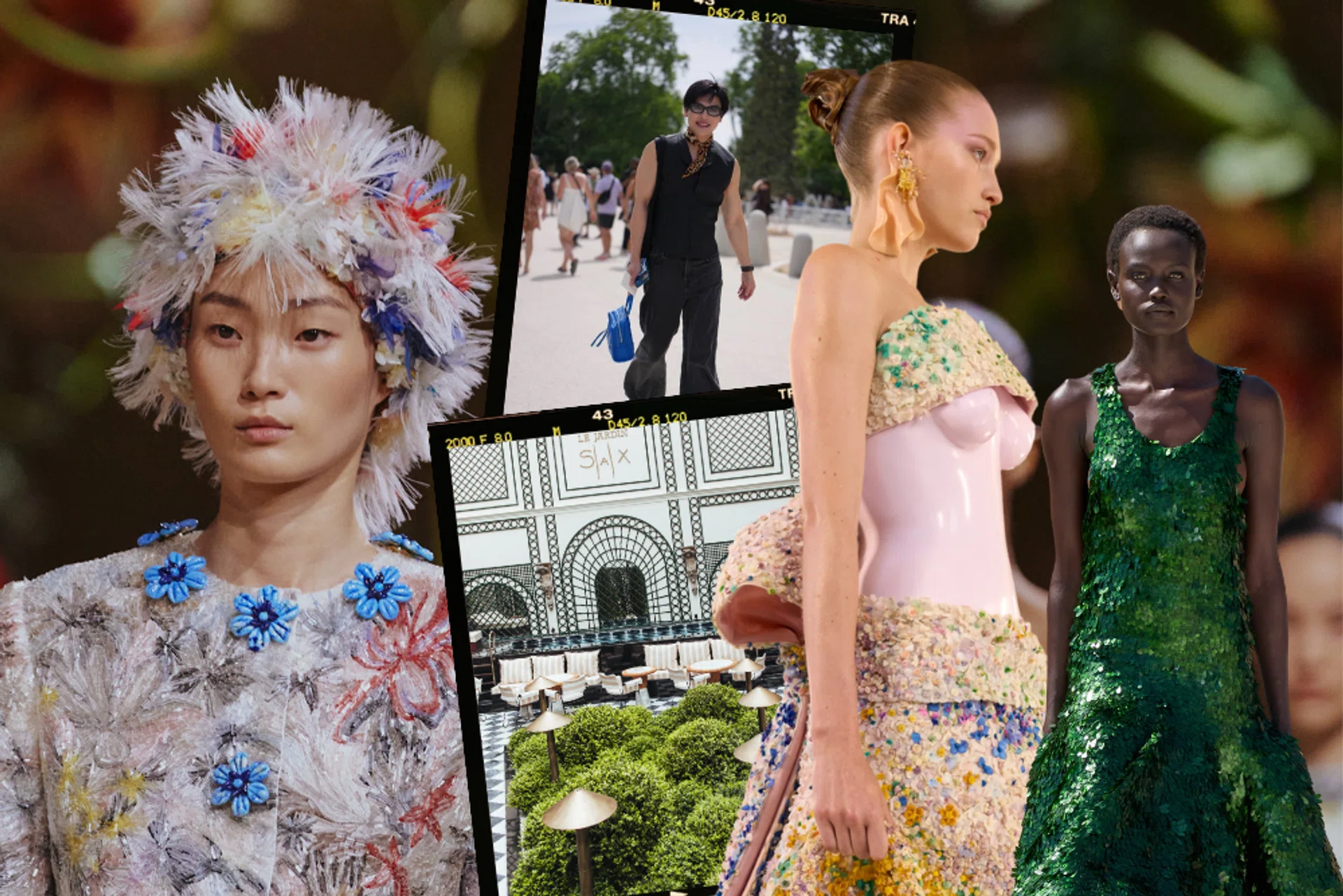
By Kenneth Goh - published
I don’t think I’ve ever returned from Paris couture week feeling rested. Every season, I make the same quiet promise to myself: it will be different this time. I’ll book fewer meetings. I’ll leave generous gaps between the shows. I might even sit down for a proper, unhurried lunch.
It never happens. Someone is always running 10 minutes behind. A private appointment overruns. The Parisian traffic grinds the 7th arrondissement to a total standstill. Before you know it, you’re eating whatever you can retrieve from the bottom of your tote in the back of a car, frantically replying to emails that easily could have waited until morning.
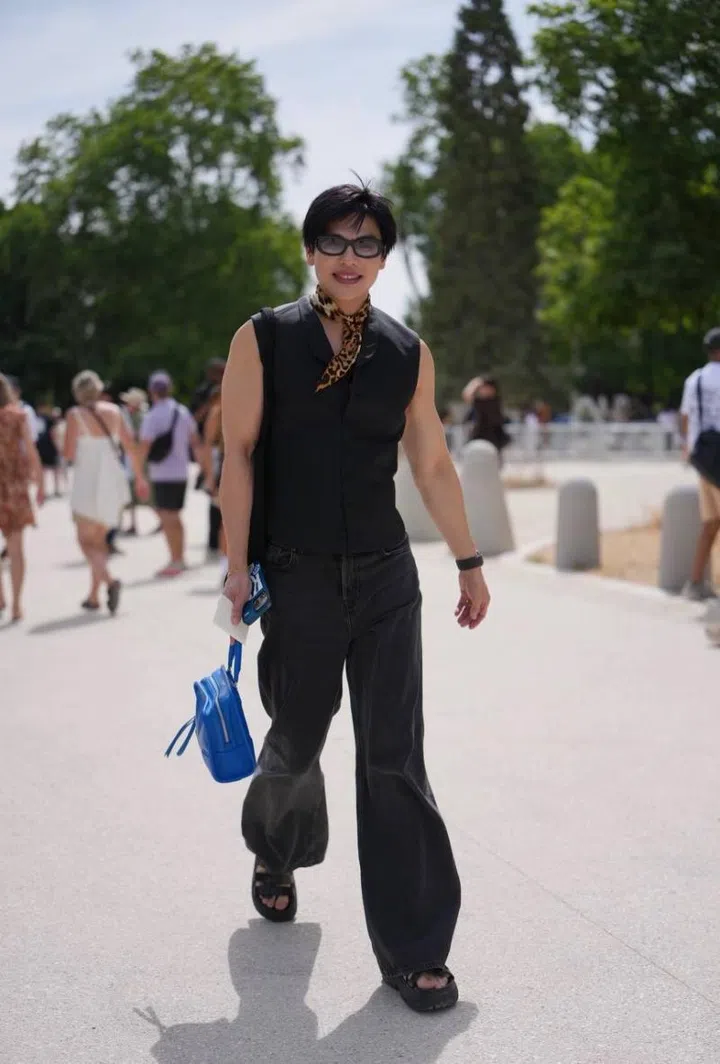
It is, on paper, a ridiculous way to spend a week. But gosh, I love it.
Perhaps it’s because couture remains one of the few places left in our industry where designers are still permitted—and expected—to slow down to create something truly extraordinary. We spend so much of our lives talking about speed: faster collections, faster content, faster opinions.
Couture demands the exact opposite. It requires you to actually stop and look.
Related article: Your Complete Guide To The Best Classic Luxury Bags: Sizes, Prices And More
The Highlights
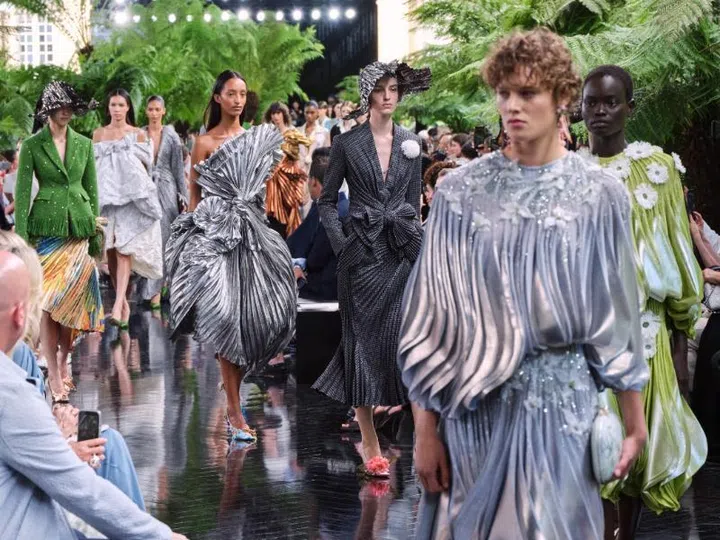
Jonathan Anderson’s vision for Dior stayed with me for that very reason. He seems noticeably more settled now—increasingly willing to trust his own instincts without making a theatrical performance out of them. Mid-show, I caught myself forgetting about the designer entirely and simply watching the clothes. His proportions always challenge because they refuse to play it safe.
Treating the atelier like a high-fashion laboratory, Anderson transformed fabric into fluid, sculptural forms through masterclass draping and intricate pleating. With softened interpretations of the iconic Bar jacket, luminous textiles, and artful accessories, it was a collection that balanced quiet romance with radical experimentation—reaffirming his ability to push Dior’s heritage into intelligent new territory.
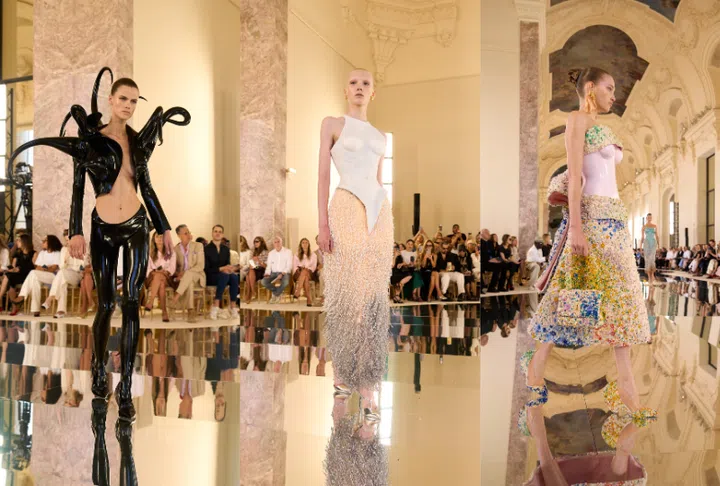
Over at Schiaparelli, Daniel Roseberry delivered something simply divine. He has fully come into his own. His vision of the female form—cast in molded rubber, illuminated by subtle LED lights, and exaggerated into dramatic silhouettes—literally made me gasp. Every single look demanded an audience.
The pièce de résistance? A gossamer mesh gown embellished with real flower petals to create a living, walking ombré garden, complete with matching petal-adorned wedge heels. Pure magic.
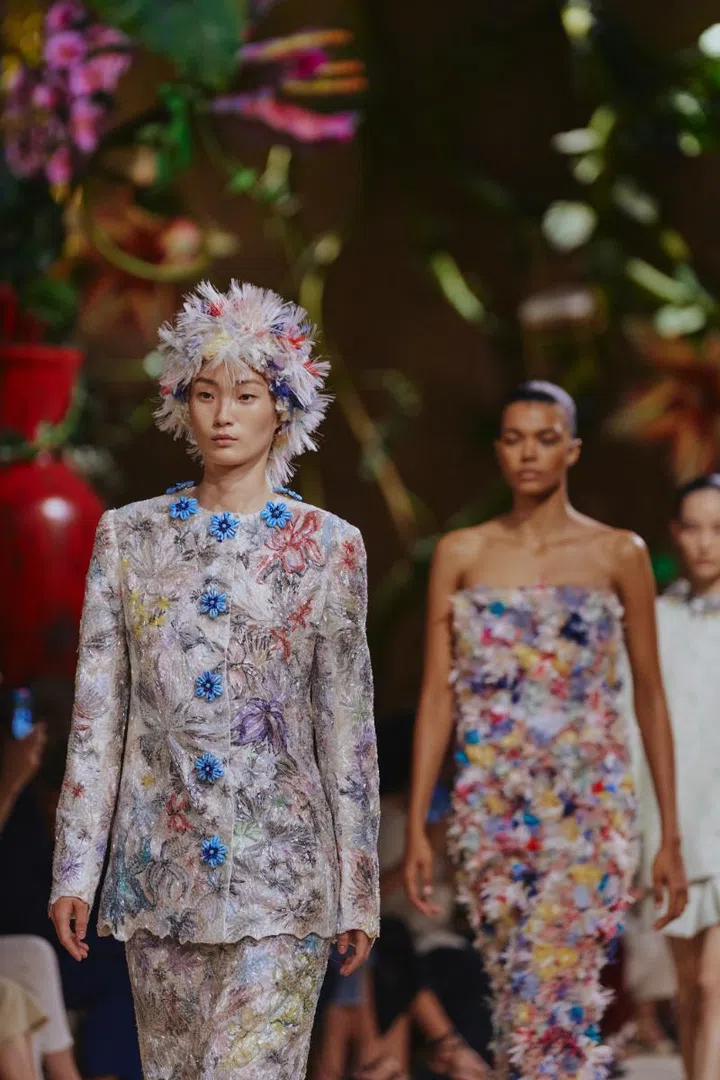
Chanel was an ethereal trip into fairyland. Drawing from everything from Jack and the Beanstalk to Enid Blyton fantasy novels, Matthieu Blazy served up childhood dreams on a golden platter. Think 3D floral suits paired with shoes featuring ceramic chicken-and-egg heels, and you catch my drift.
It signaled a poetic new chapter, weaving fairytale motifs into the house’s signature codes with quiet confidence. Reimagined tweeds, delicate nature-inspired embroidery, and breathtaking craftsmanship offered a vision of modern luxury that favored sensitivity, wearability, and understated elegance over pure spectacle. A wonderfully naive concept executed with supreme sophistication.
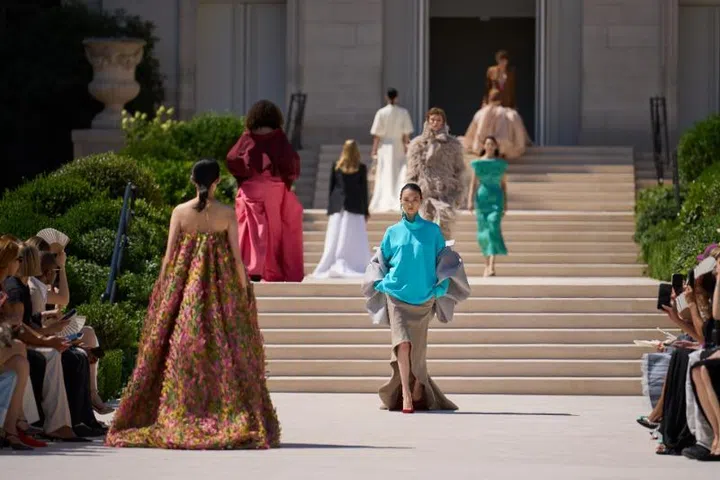
Then came Balenciaga, which shone the brightest—and quite literally the most brilliant. At peak noon, Pierpaolo Piccioli delivered an intense heatwave of vivid separates, sweeping silhouettes, and the most arresting gowns in clean, structural shapes that paid homage to Cristóbal’s original cocoon forms. Despite the searing midday sun, the runway offered sparkling hand-work and the single most lavishly embellished motorcycle bag I’ve ever laid eyes on. Piccioli reinterpreted Balenciaga’s sculptural legacy through his own lens of color, softness, and modern ease.
Beyond the 52-look masterclass in atelier craft, it was a sublime debut that practically guaranteed a slew of red-carpet moments come awards season. That is, perhaps, the highest compliment one can give a collection today. In an era where we’re expected to offer instant commentary for social media, we so often measure a show’s true value by the star wattage it commands months later.
Related article: Why Fashion Is Rethinking Glamour Now
Finding The Pause
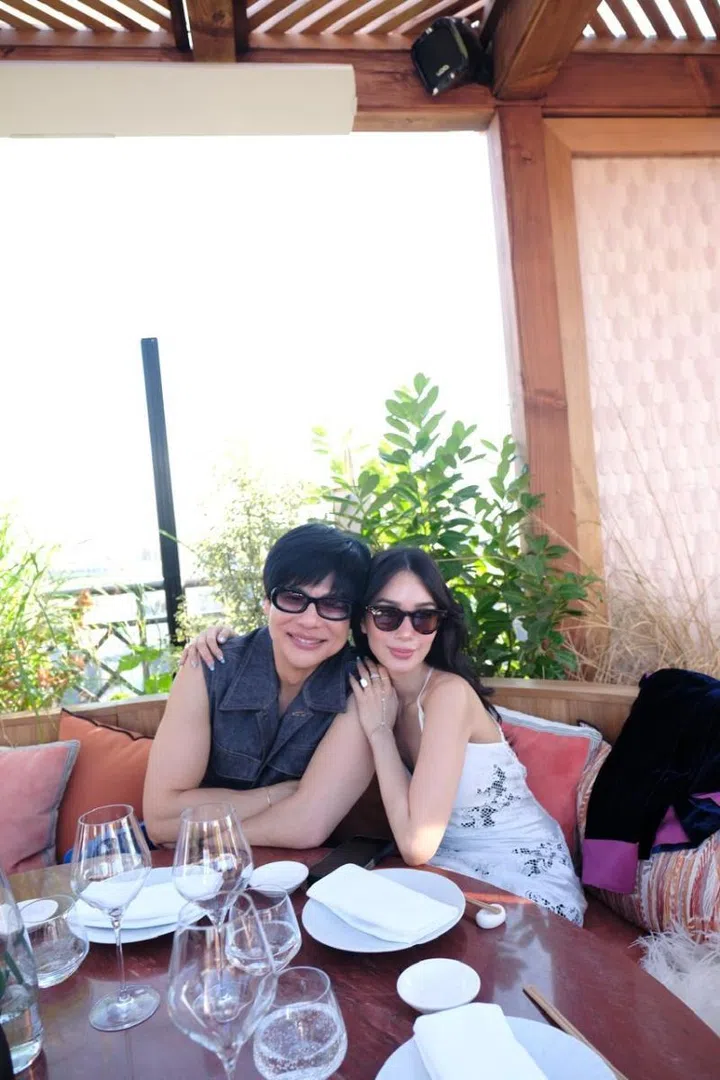
Sharing a meal with Heart Evangelista at SAX Paris
The funny thing about fashion week is that the moment the final look leaves the runway, reality rushes back in. You’re trapped in gridlock again. You’re scanning tomorrow’s schedule. You’re wondering if any kitchen in Paris is still serving past 10PM.
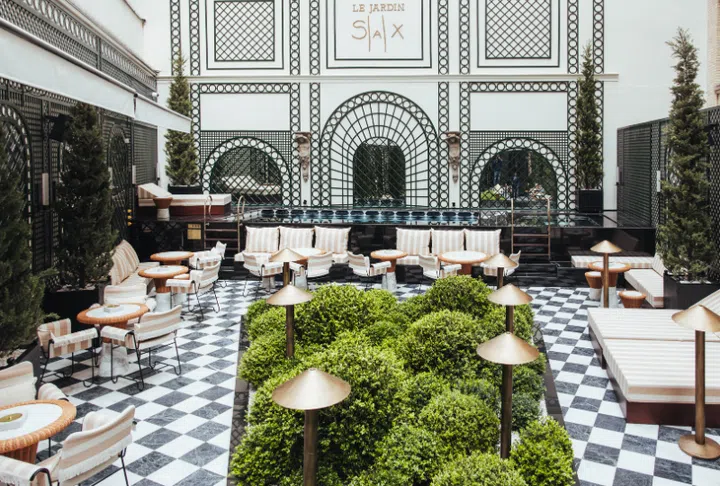
This season, I kept finding my way back to SAX Paris. By day two, it had stopped feeling like a hotel and started feeling like a place I just happened to be living in for the week—always the mark of exceptional hospitality. Housed in a former telephone exchange in the 7th, what I appreciated most wasn’t its history, but its restraint. Far too many luxury hotels feel like they are performing luxury; everything screams for your attention. SAX doesn’t.
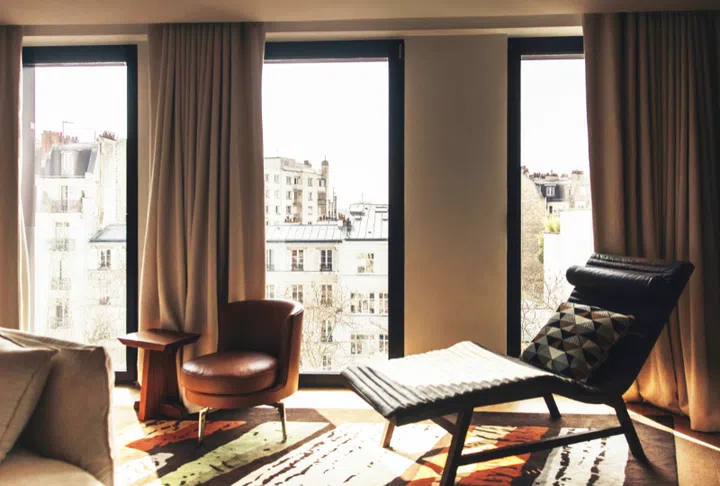
Most evenings, I’d walk through the lobby, drop my bag, and head straight for the courtyard garden. No phone. No laptop. Just 10 minutes of silence to let the day settle before I opened my notebook to write. It’s remarkable how much clearer your thoughts become when you stop trying to force them in the back of an Uber.
Related article: Ins And Outs: Here Are All The Major Designer Changes In Fashion
On my final night, I sat on the rooftop at Kinugawa Rive Gauche, looking out over the Paris skyline while mentally replaying the week. It’s fascinating how your perspective shifts once you’re no longer sitting in the front row. A look you dismissed in the heat of the moment suddenly makes brilliant sense; another that seemed spectacular in real-time starts to feel a bit overworked.
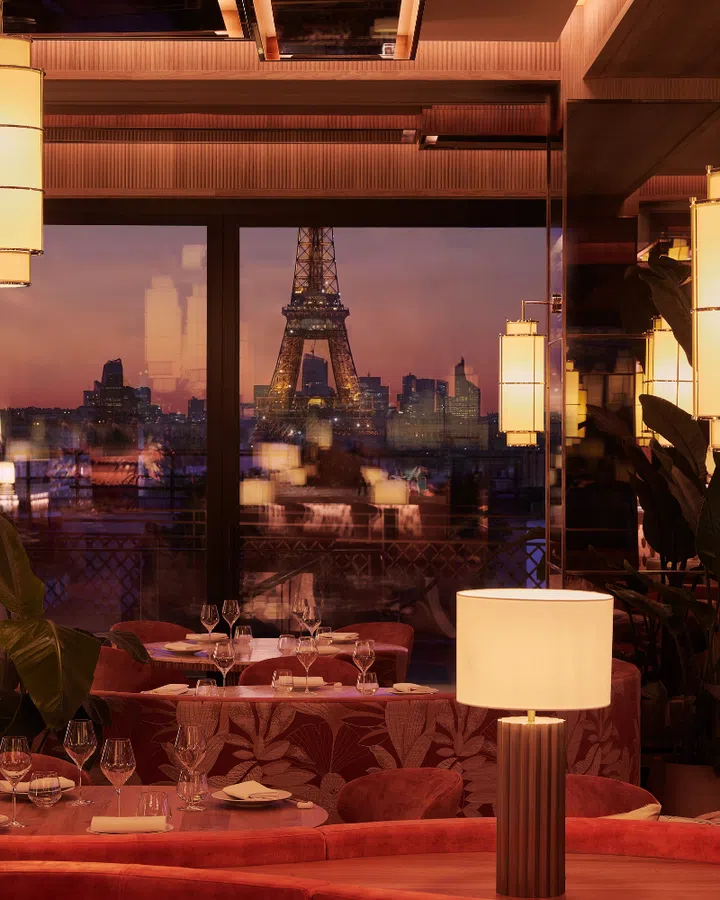
Distance, I’ve realised, has always been fashion’s best editor.
Looking back now, I remember surprisingly few individual looks. What remains is the atmosphere of the week: the sharp intake of breath in the room just before the music starts; stepping out of a show into the Parisian heat; finding a few quiet minutes in a hidden garden before the next deadline hits.
Maybe my priorities have shifted as I’ve grown older in this job. Or maybe that’s what couture was always meant to leave us with. Not immediate certainty—just something beautiful worth thinking about on the flight home.