
10 Watch And Jewellery Trends That Defined The Last 25 Years
Oversized watches, festival jewellery, polarising stacks, viral hype watches—these trends shaped watch and jewellery history as we know it.
By Brandon Chia - published
Over the last 25 years, watches and jewellery have undergone a quiet but radical transformation. Once treated as symbols of occasion, achievement or inherited taste, they have become far more fluid: styling tools, investment pieces, pop-cultural signifiers and, increasingly, expressions of identity. A watch is no longer just the finishing touch on a suit, nor is jewellery reserved for black-tie dressing or milestone gifting. Both have moved into everyday life, carrying with them the codes of luxury, nostalgia, technology, celebrity, and self-expression all at once.
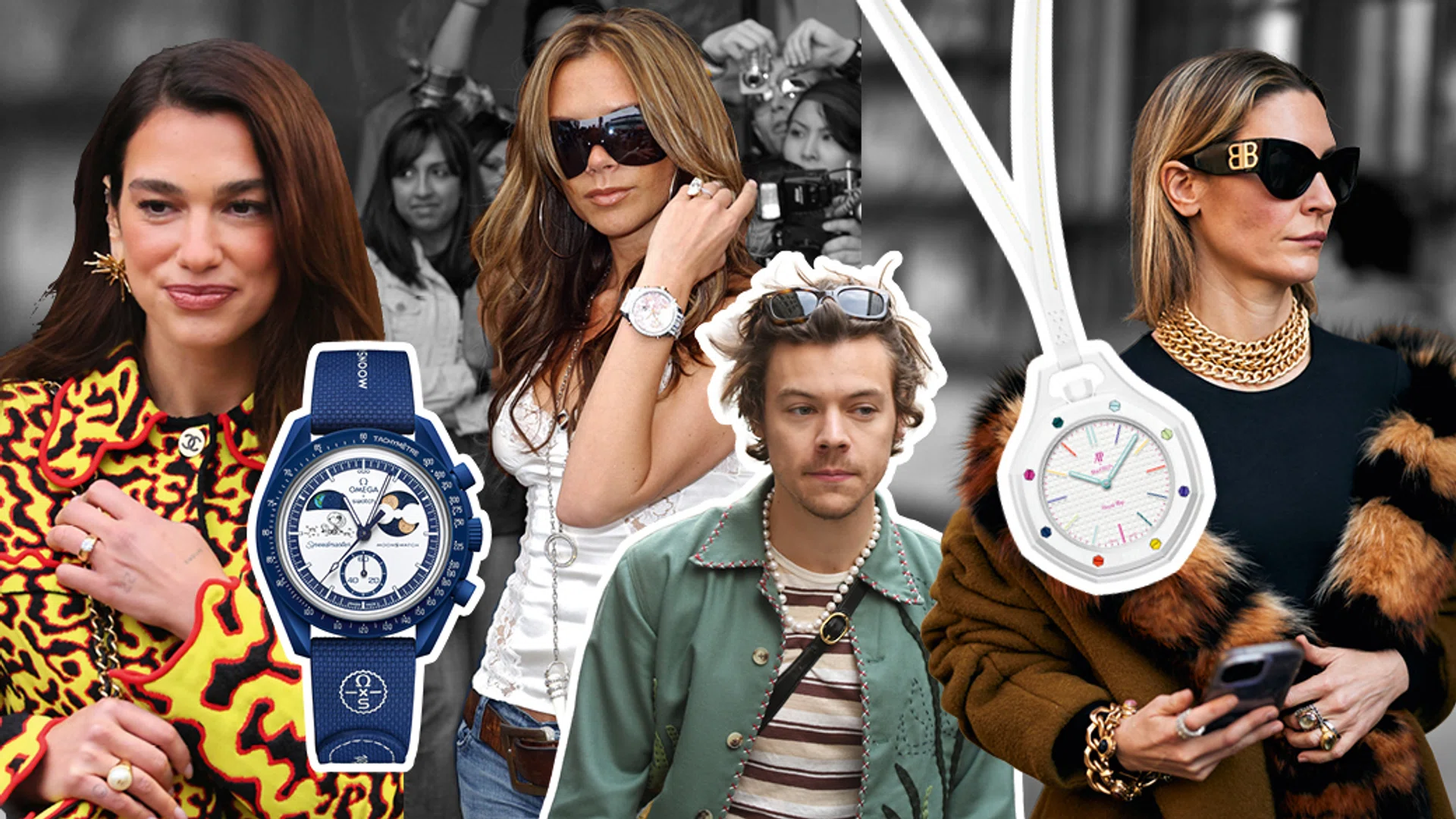
What makes the story especially compelling is how quickly the mood has changed. The 2000s prized size, shine, and instant recognition; the 2010s softened that language with rose gold, stacking, and everyday fine jewellery; and the 2020s have broken the rules almost entirely, with virality and individuality leading the charge. From the oversized watch boom to MoonSwatch and Royal Pop mania, from Kylie Jenner’s Cartier Love bracelet stacks to Harry Styles’ pearls, the last 20 years have turned watches and jewellery into one of fashion’s most revealing mirrors.
Related article: The Latest And Most Talked About Jewellery Collections
1. The Oversized Watch Era
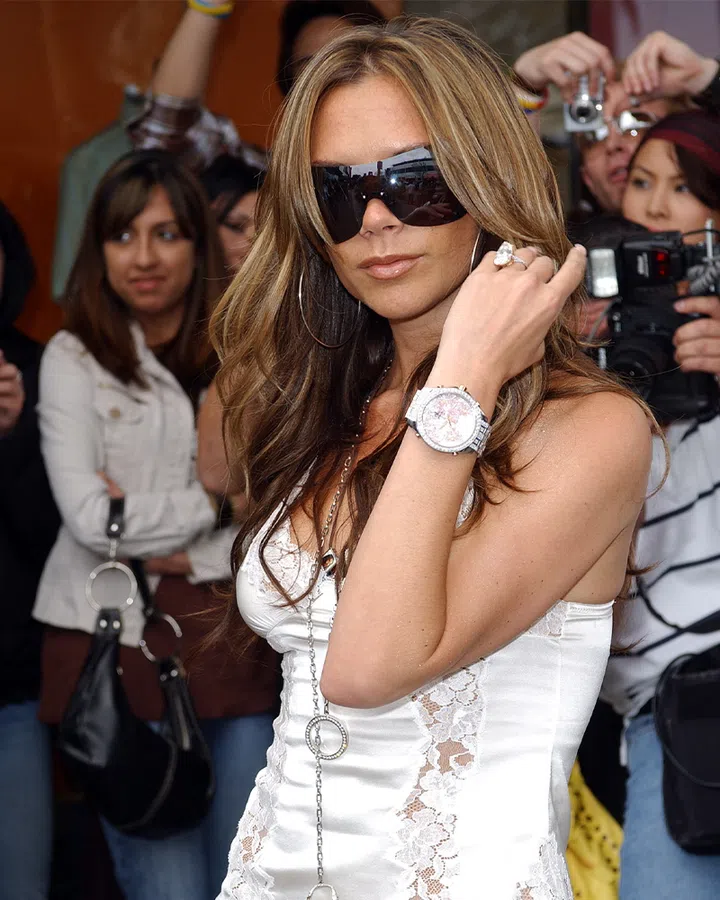
In the 2000s, watches got bigger, louder and more robust. Rolex, Panerai, Hublot, Audemars Piguet and oversized chronographs helped define a period when wrist presence was everything. And, it wasn’t reserved just for men; Victoria Beckham wore oversized watches as part of the polished WAG-era uniform. Suddenly, the large watch became less boardroom flex and more glamorous, worn with bodycon dresses, denim, tailoring and giant sunglasses.
2. Icon Jewellery and Stacking Went Mainstream
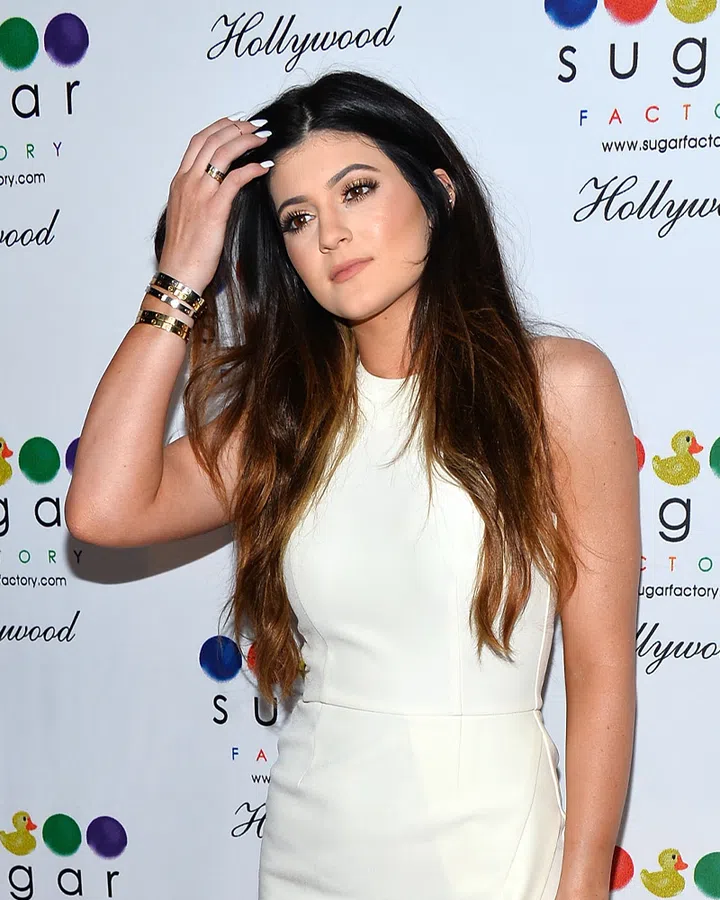
By the early 2010s, jewellery became more recognisable, more wearable and far more stackable. Few images capture that better than Kylie Jenner’s Love bracelet era, when a full wrist of Love bracelets became a viral sensation. The bracelets were not styled as formal fine jewellery, but as part of an everyday celebrity uniform: phone selfies, manicures, casual outfits and arm-party close-ups. Stacking was no longer just a styling trick. It was the point. At the same time.
3. Festival Jewellery Took Over
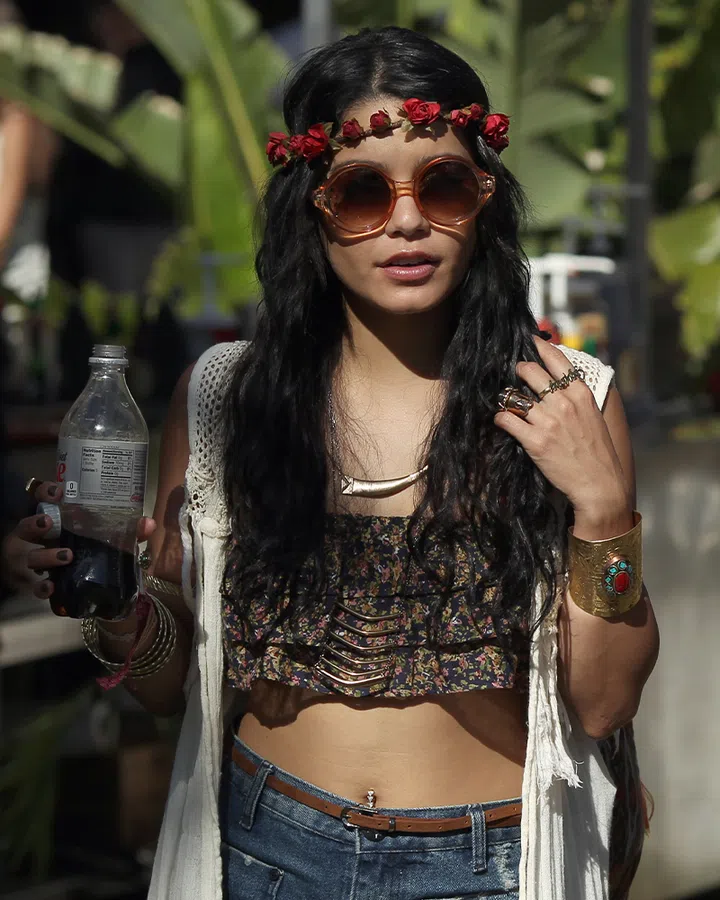
As Coachella evolved from a music festival into fashion’s biggest mood board, jewellery followed suit. The polished minimalism of the early 2010s gave way to layered chains, body jewellery, stacked rings, turquoise, colourful gemstones, and bohemian charms, all of which were often mixed. A-list influence, from the likes of Vanessa Hudgens, Kendall Jenner and more, quickly spread beyond festival season, with layered necklaces, mismatched earrings and statement rings becoming styling staples.
Related article: The Newest And Hottest From The World Of Watches
4. The Apple Watch Changed The Wrist Game
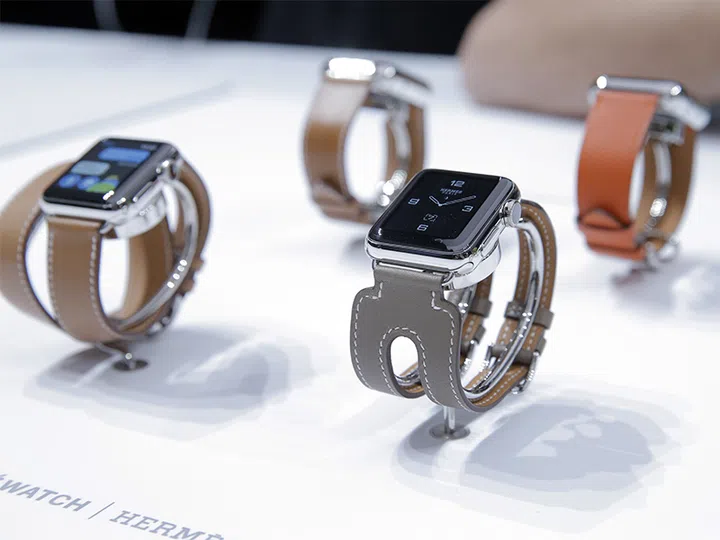
The Apple Watch changed the meaning of the watch altogether during the mid-2010s. Suddenly, the wrist was not only for telling time but also for notifications, fitness tracking, health data and sometimes games. Its arrival did not replace traditional watchmaking; if anything, it clarified the difference between a smartwatch and a mechanical watch. But it did expand the category dramatically. With interchangeable straps and luxury collaborations such as Hermés, the Apple Watch made watches newly relevant to people who had never considered themselves watch wearers.
5. Rose Gold Softened Luxury
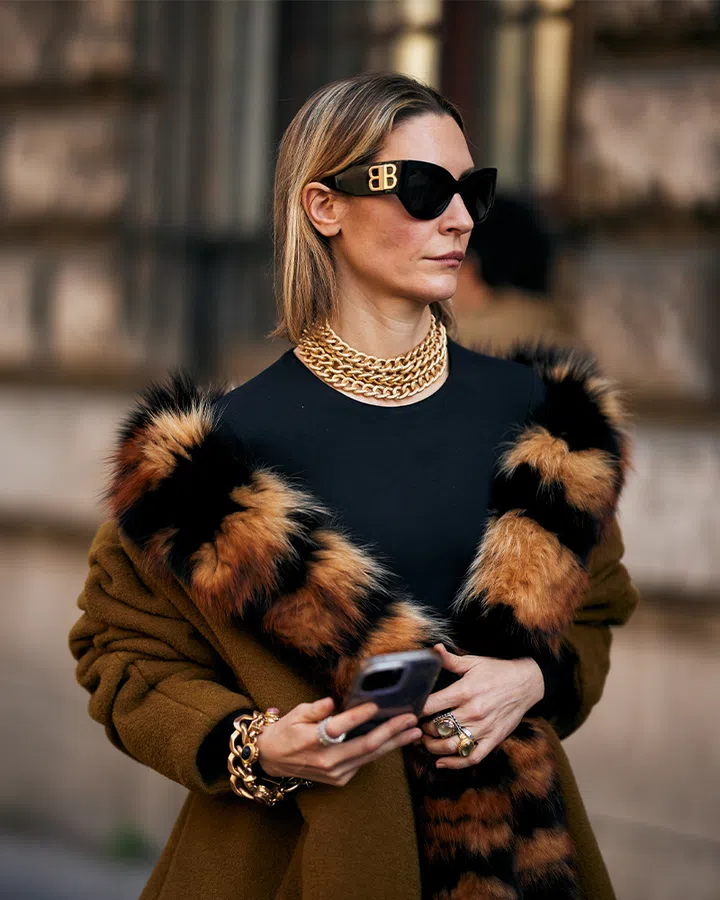
Rose gold became the metal of the moment in the late 2010s and it has since become a staple for most brands today, spanning all product categories. In watches, rose gold gave sporty shapes a more glamorous edge; in jewellery, it turned classic designs into softer everyday pieces. Softer than yellow gold and less formal than white gold, it’s flattering on the skin, and easy to stack without feeling too severe.
6. The Return of Vintage Watches
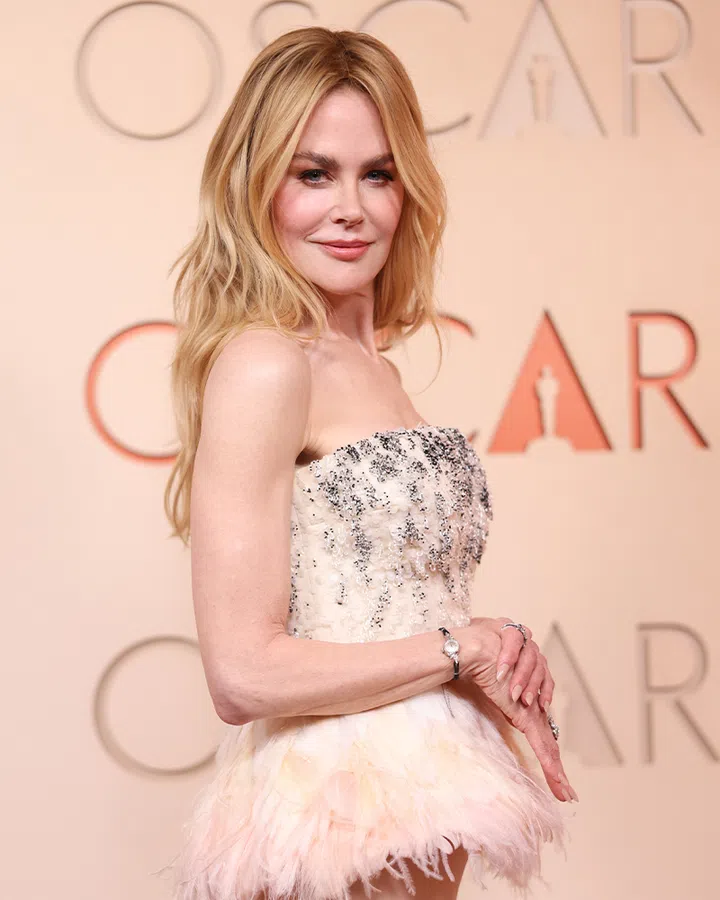
After years of oversized, highly recognisable watches, collectors started looking backwards. Vintage and neo-vintage pieces brought character back into the conversation: patina, discontinued references, archival design, older Cartier Tanks, Rolex Datejusts, Piaget dress watches, classic Patek Philippe shapes and Omega gems, just like those worn by ambassador Nicole Kidman on red carpets. The appeal isn’t simply nostalgia, but individuality. A vintage watch suggests taste and a willingness to look beyond trends, which is a sentiment that has only grown stronger in the present.
7. Pearls Became Cool Again
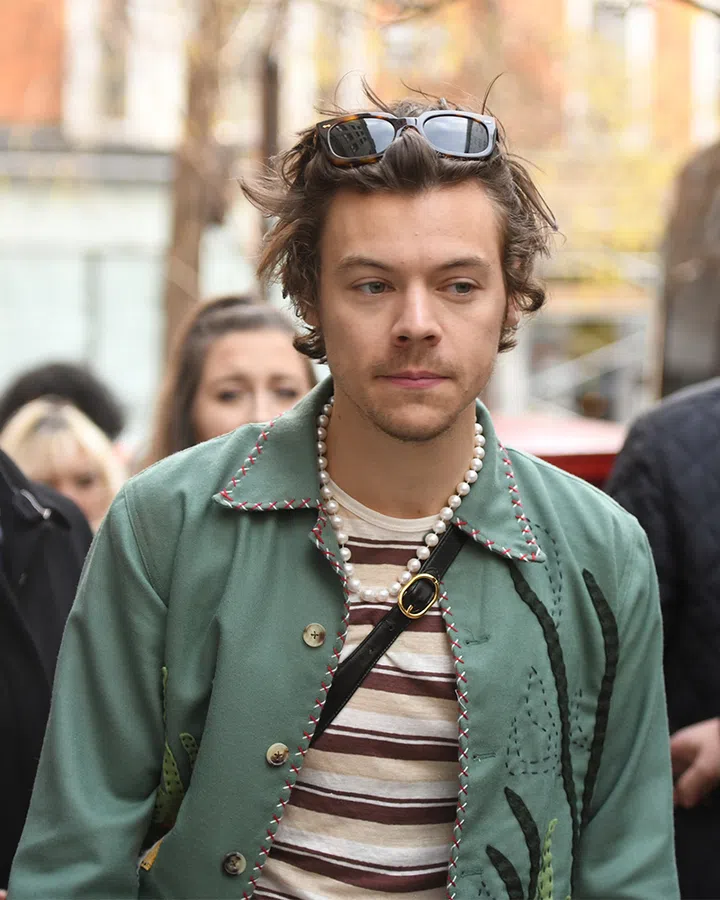
Pearls have always been classic, but by the early 2020s, they totally evolved. They appeared as chokers, baroque strands, mismatched earrings and red-carpet statements. They were worn with tailoring, streetwear, sheer dresses and menswear, appearing on fashion insiders and pop culture stars such as Harry Styles and A$AP Rocky. This revival made pearls feel younger, stranger and more expressive. No longer confined to bridal sets, they became one of the easiest ways to bring softness and subversiveness into jewellery styling.
Related article: 15 Everyday Fine Jewellery Pieces For Men To Elevate Your Style, Starting From $166
8. Smaller Watches Made A Comeback
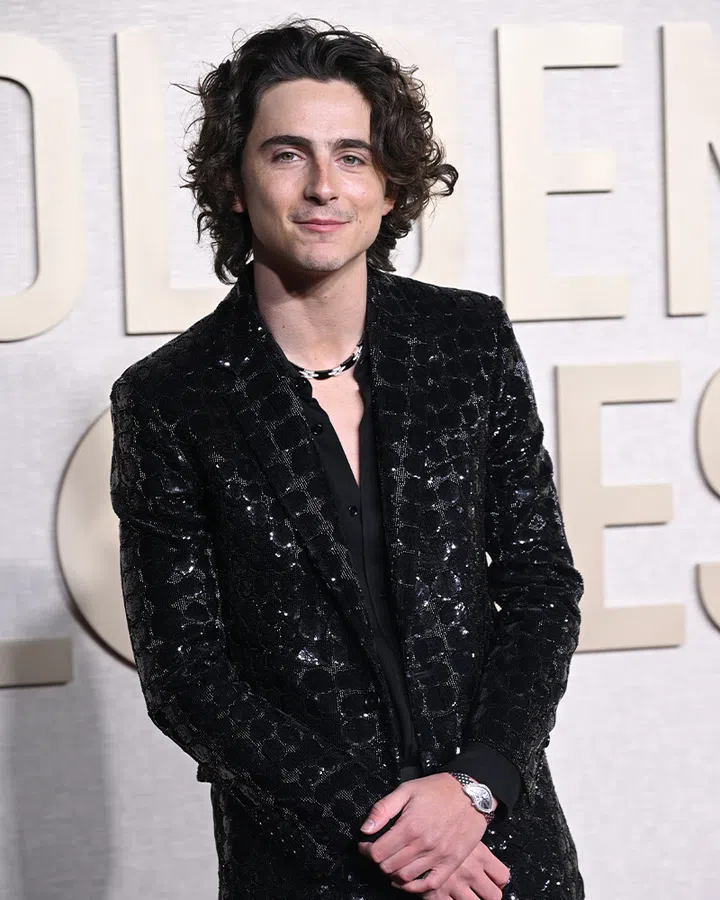
Smaller case sizes, jewellery-like proportions and slim dress watches began to feel fresh again in the early 2020s, especially as fashion moved towards restraint, vintage references and gender-fluid styling. Timothée Chalamet’s viral Cartier Crash at the 2024 Golden Globes was a prime example. The flex of a luxury watch became less about scale and more about proportion.
9. MoonSwatch Turned Watches Into Hype Culture
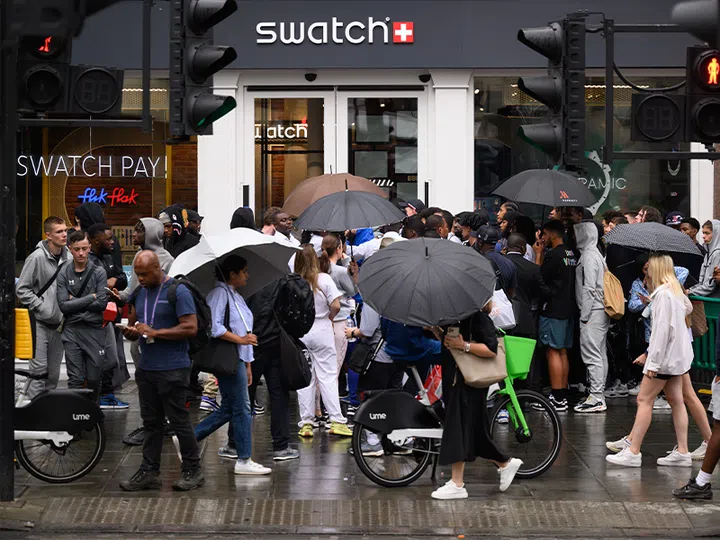
In 2022, the Swatch x OMEGA MoonSwatch proved that watch culture could behave like sneaker culture. The collaboration brought queues, colourways, scarcity, scalpers, and a social media frenzy to a category often associated with patience.
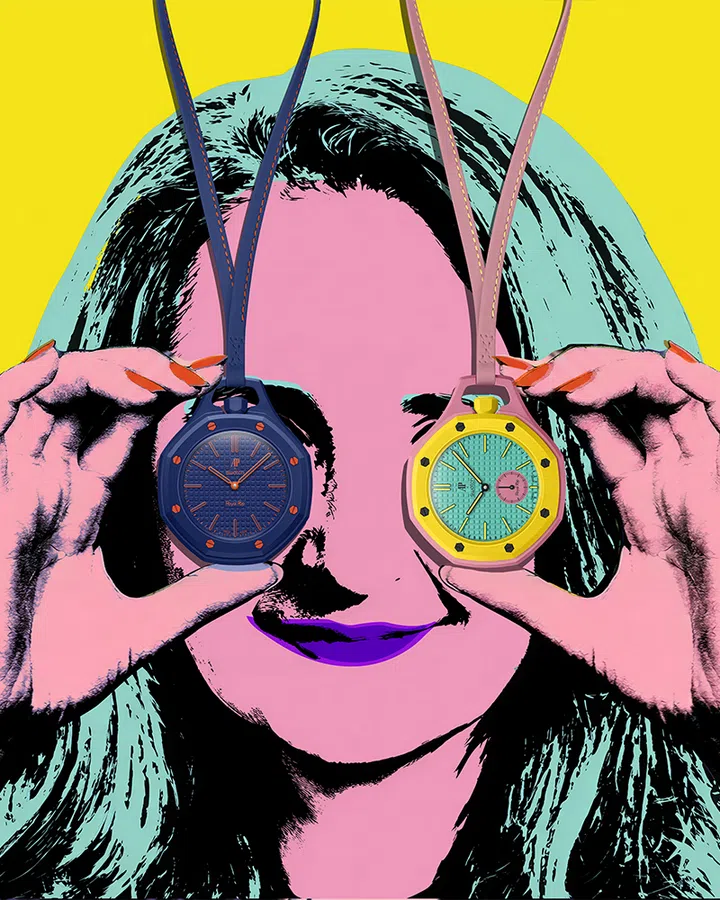
For some collectors, it was a fun gateway object. For others, it was pure hype. Either way, it showed that a watch launch could become a global pop culture event, and Swatch did it again in 2026 with the Royal Pop with Audemars Piguet.
10. Coloured Stones, Charms And Personal Jewellery Took Over
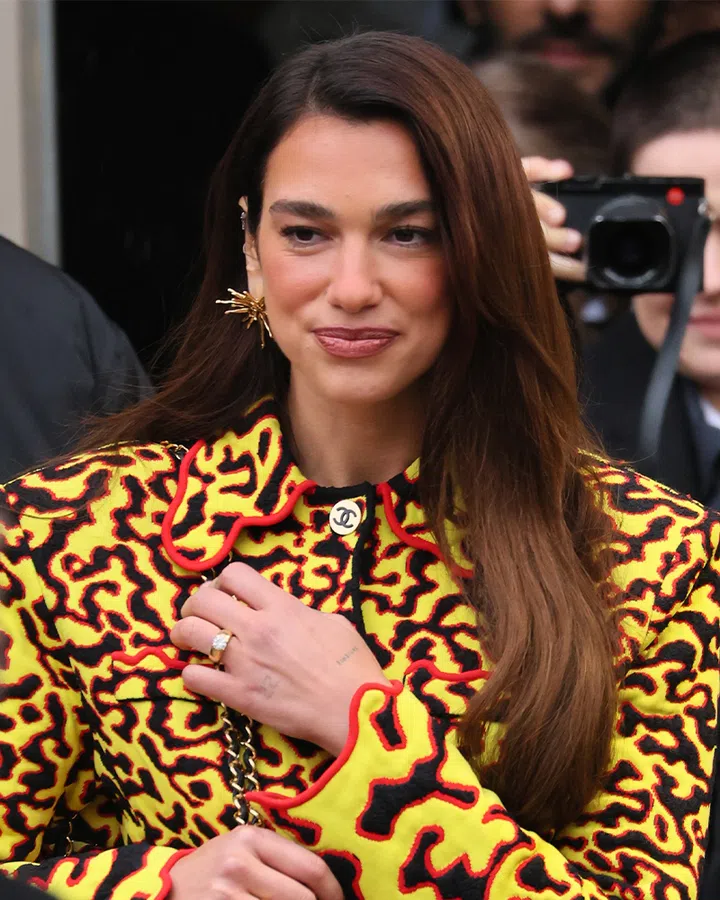
Now in the present, jewellery has become less about brands and more about the meaning behind each piece. Coloured stones, birthstones, zodiac pendants, charms, signet rings, yellow gold, mixed metals and talismanic pieces have all gained popularity. The appeal lies in individuality: jewellery that says something about the wearer rather than simply the luxury behind the name—even celebrities like Dua Lipa, Miley Cyrus and Taylor Swift veered towards bespoke creations for their engagement rings.