
Icons Forever: Why Chanel’s N°5 Is Perfume's Most Enduring Legend
From a lucky number to the most famous bottle in the world, here’s how Chanel N°5 Parfum became perfume’s most enduring icon, and why it still smells as modern as it did in 1921.
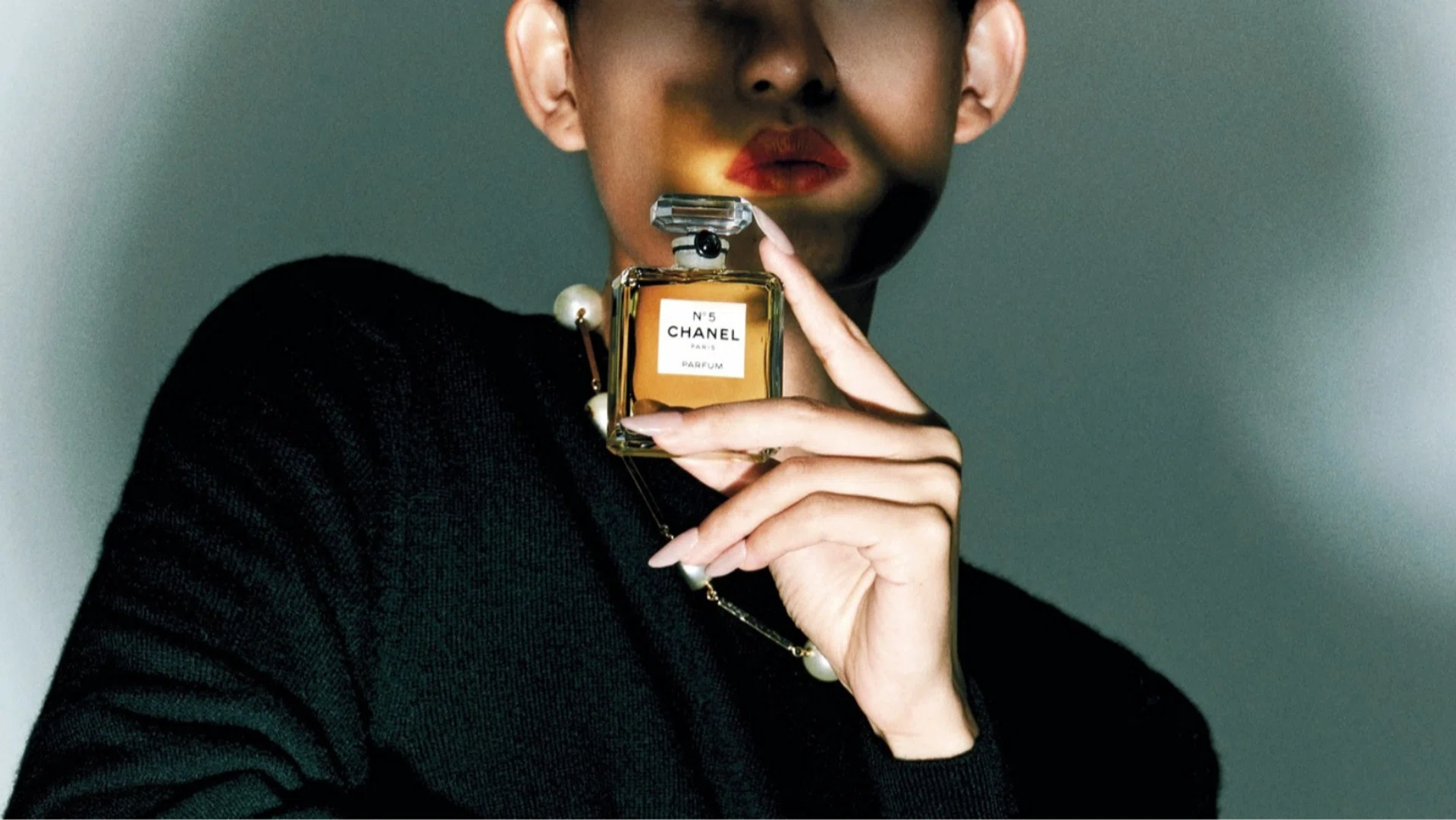
By Arissa Ha - published
By 1920, Gabrielle Chanel had already rewritten how women dressed, swapping corsets for jersey and fuss for ease, and she wanted a fragrance that did the same for how they smelled. At the time, most women wore single flower scents, a rose or a violet, which Chanel found far too literal. She asked instead for a perfume for a woman that smelled of a woman, and she found the person to make it in—Ernest Beaux, a Moscow-born perfumer who had worked for a supplier to the Russian imperial court.
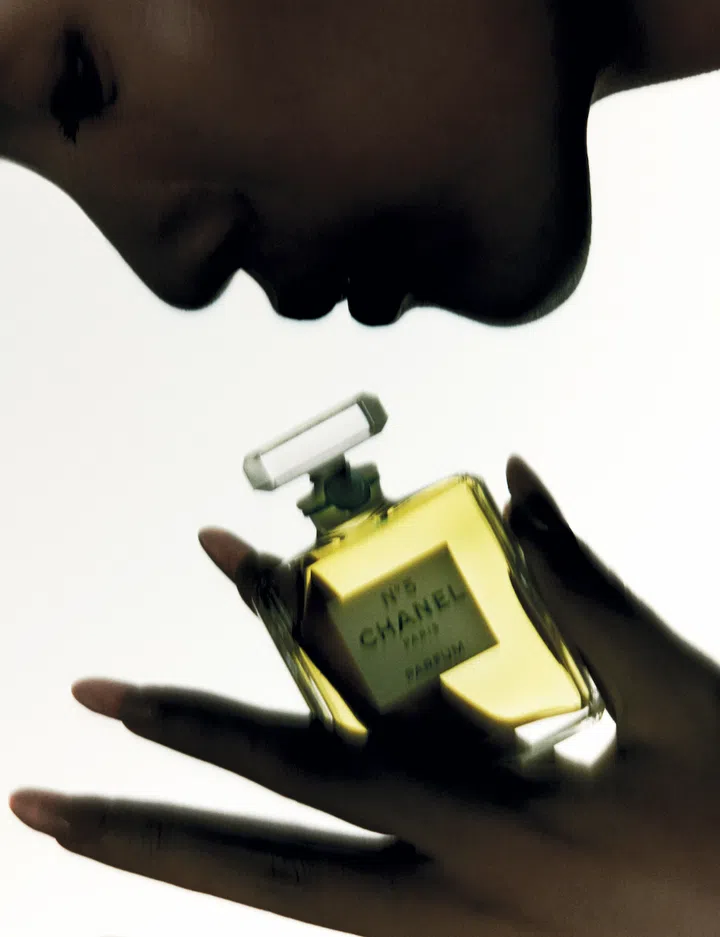
Beaux returned with a series of samples, numbered one to five and 20 to 24, and Chanel chose the fifth. The story goes that she considered five her lucky number and kept it as the name, an unusually spare choice in an era of romantic, flowery perfume titles. Inside the bottle was a bouquet of May rose, jasmine and ylang-ylang over sandalwood and vanilla, blended so closely that no single flower could be picked out. What gave it lift was a generous dose of aldehydes, synthetic molecules that fine perfumery had barely explored until then, which lent the florals a sparkling, almost soapy brightness. Olivier Polge, Chanel’s perfume creator, describes N°5 as an abstract fragrance for exactly this reason, and credits its use of aldehydes as the thing that made it so radically modern.
Related article: Icons Forever: Chanel’s Little Black Dress Is An Act Of Playful Rebellion
Shape of Things to Come
The bottle broke with convention too. Perfume in the 1920s typically came in ornate, sculpted crystal, and N°5 arrived instead in a plain, square flacon that looked closer to something from a pharmacy shelf, its stopper later cut with facets that echo the octagonal Place Vendôme. Chanel also put her own name on it, making her one of the first couturiers to launch a fragrance under her name. The silhouette has been adjusted only slightly over the decades, mostly in the proportions of the shoulders and stopper, so the flacon on a dressing table today is instantly recognisable from the one launched in 1921.
Related article: Coco Chanel’s Favourite Flower Is Actually A Skincare Powerhouse
Name Your Number
What happened next turned a perfume into a cultural reference point. In 1952, Marilyn Monroe was asked by an interviewer what she wore to bed and answered that it was only a few drops of N°5, a reply that has done more for the scent than any advertising budget could. In the 1980s, Andy Warhol turned the flacon into a series of silkscreen prints, placing it alongside soup cans and screen stars as one of the defining images of American pop culture.
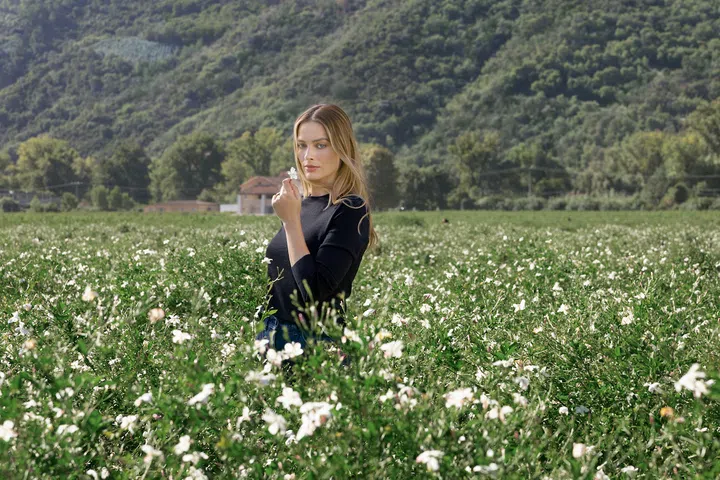
Chanel has treated the campaigns with similar ambition, enlisting filmmakers as much as photographers. Over the years, N°5 has been worn on screen by Catherine Deneuve, Carole Bouquet, Nicole Kidman, Audrey Tautou and Marion Cotillard, and in 2012, Brad Pitt became the first man to front it. Since 2024, Margot Robbie has carried it into its second century, which says a great deal about a scent that each new generation keeps choosing to claim.
Related article: Chanel N°5 Extrait Baccarat: A Limited Edition Masterpiece for the Holidays
The Purest Form
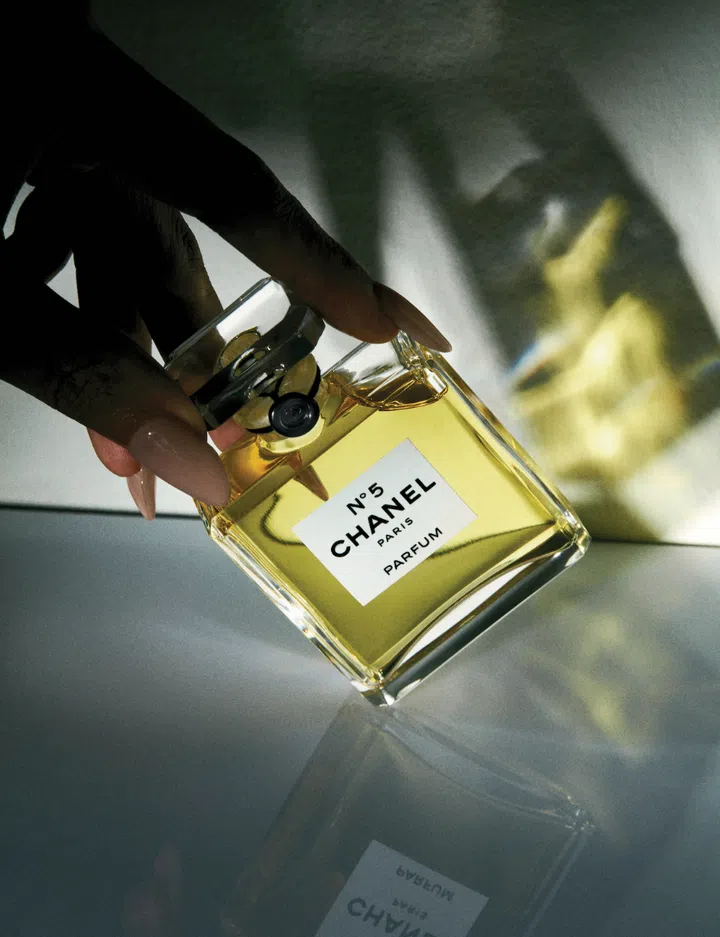
Of all the versions of N°5 that have followed, from the eau de toilette in 1924 to lighter modern interpretations, the parfum remains the closest to what Chanel first held in her hands. It is made with jasmine and May rose from Grasse, the perfume capital in the hills above the Côte d’Azur, grown for Chanel by the Mul family, and whose fields have supplied the House since 1987. Around 1,000 jasmine flowers go into a single 30ml bottle, which goes some way to explaining why it is richer and more rounded on skin, lasting with the kind of slow, close warmth that emanates if you’re in a room. The bottle is still finished by hand, its neck sealed with a fine membrane and bound with black thread in a ritual the House calls baudruchage, a small detail that feels entirely in keeping with a perfume built on getting the essentials right.
Over the past century, perfume trends have swung from heavy orientals to clean, minimal scents and sugary gourmands, yet N°5 has never had to reinvent itself to stay relevant. Dab the parfum on your pulse points before you head out, and let a formula first composed in 1921 do what it has always done best.
Photography: Joel Low
Creative direction: Windy Aulia
Model: Xing / Mannequin
Makeup: Wee Ming using Chanel Beauty
Hair: Colin Yeo and Dorene Low / Tress and Curvy
Photographer’s assistant: Eddie Teo
Stylist’s assistant: Natalie Hoe
In collaboration with Chanel Beauty