
Lullaboy Is Making Music For The Heart, Not The Charts
Forget cool. Lullaboy is on the search for something more lasting: truth.
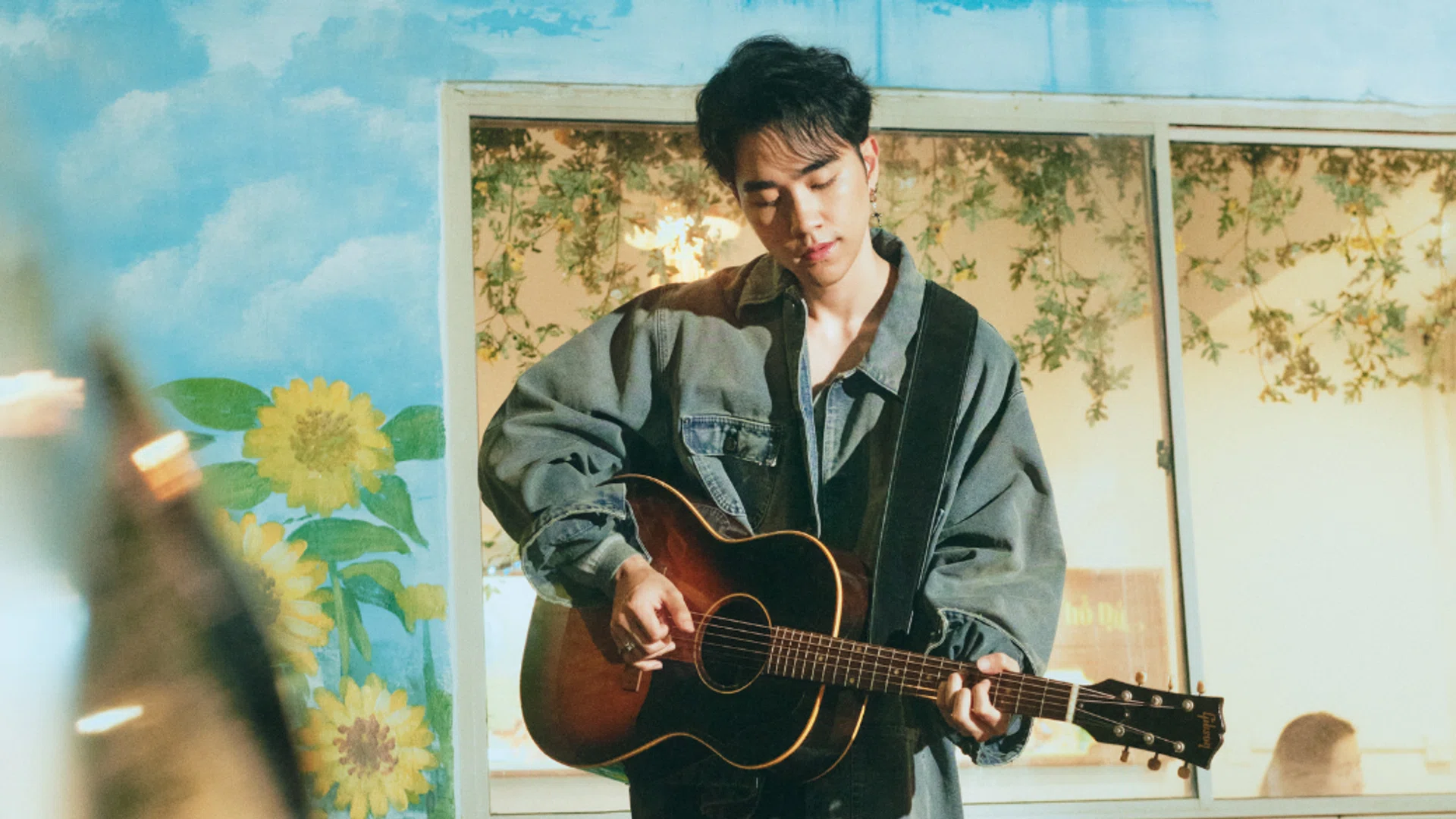
By Aaron Kok - published
It begins with a guitar and a love song.
That was the scene every night in the Dinata household: Lullaboy’s—also known as Bernard Dinata when he’s not on stage—father playing ballads before bed, serenading his wife and unknowingly imprinting his young son with the idea that music and feeling could be a superpower. “My mum’s a tough woman,” he recalls with a grin. “But somehow my dad could melt her just by playing and singing. I always wanted that same magic.”
Years later, Lullaboy, now 30, has taken that same magic and evolved it. As one of Southeast Asia’s fastest rising singer–songwriters (next month, he will join Black Eyed Peas, Alicia Keys and 21 Savage on the Summer Sonic festival stage in Bangkok), Lullaboy makes music that doesn’t just speak to the heart, but also tunes that listen to complicated affairs that stem from within too. Over 100 million streams later, the Indonesian-Chinese, American-born and Singapore-raised artist has become a sterling voice for a generation that doesn’t want to be cool, but revels in authenticity, vulnerability and softness.
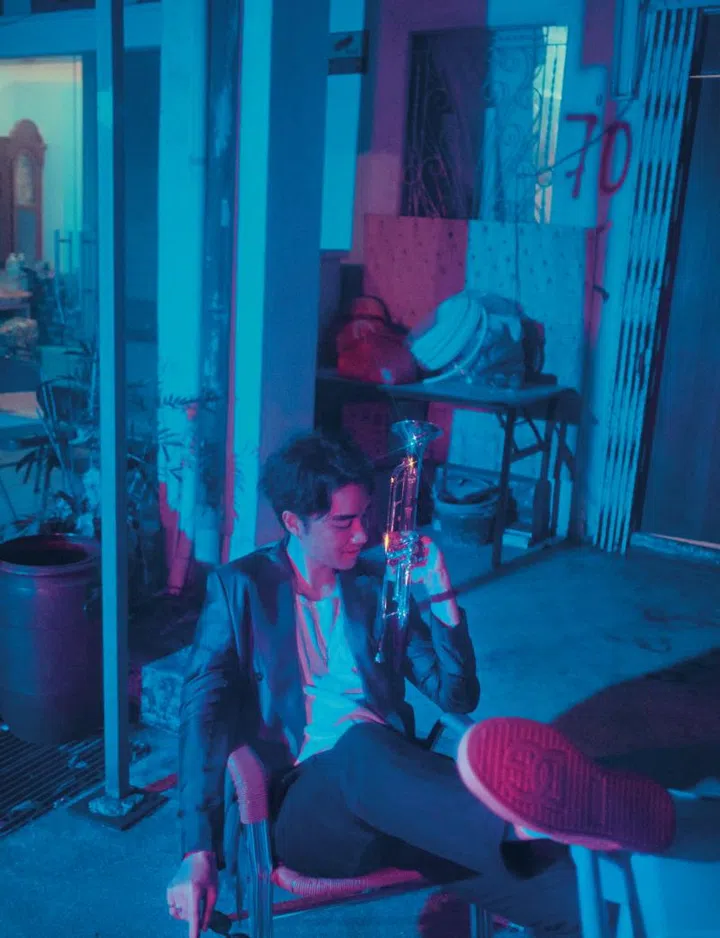
Jacket; trousers; sneakers, DOLCE&GABBANA. Tank top, COS. Sunglasses, RAY-BAN.
Related article: 8 Of Singapore’s Most Sensational Rising Musicians To Check Out ASAP
His upcoming album, hotels & heartbreaks, is perhaps his most ambitious effort yet: 12 songs written across dozens of hotel rooms during his time spent touring. “It’s a journey,” he says, his voice low and thoughtful over the phone. “The concept of the album is that you’re ascending an elevator, up a hotel. Every month, we go up a floor. Each song is like a room in this hotel, and by the time you reach the rooftop, you’re a little more healed than when you first checked in.”
In person, Lullaboy is exactly what his music suggests: sincere, sensitive, deeply earnest. He calls the questions we’ve prepared for him “therapy” and answers with long thoughtful pauses and carefully chosen words. There’s a gentleness to him that feels rare in a music world that favours bombast and marketing over the innate and the intangible. That tenderness has also made him something of an anomaly: a softboy in an era of hyper-masculine pop, a balladeer in a TikTok age of fast hooks and faster exits. And yet, he’s winning.
Last year, he became the first Singaporean act to perform at Waterbomb Festival, then wrapped up a tour of six stops across the region, and he’s doing it all as an independent artist. “Younger me would be really proud. We did everything on our own, from looking for sponsors to planning the stops of the tour,” he says, reflecting on the journey. “But present me? I know there’s still so much more to do, and so many more hearts to reach.”
He chooses that word deliberately: hearts, not ears. His measure of success isn’t virality or streaming metrics (although he’s got those too), but resonance. It’s why the lyrics always come first. “Of course I love beats. But it’s the words that get people through something. That’s the part that changes them.”
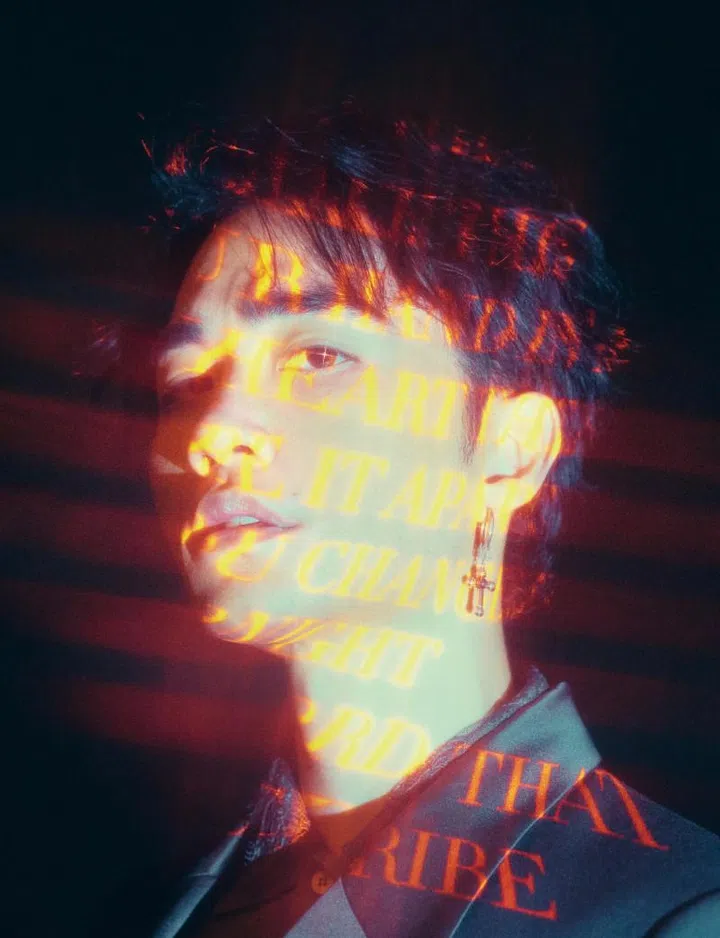
Shirt; jacket, FENDI.
Related article: Heart Evangelista Is Living Her Truth, And She’s Just Getting Started
The songs in hotels & heartbreaks reflect that intimacy. Each was written in a different city, born out of either euphoric highs or crushing lows. There’s a song called “Finger Hearts,” which he describes as his version of a diss track. “It sounds cute, almost happy,” he admits. “But it’s actually the most emotionally raw track on the album. If I didn’t write it, I think I would’ve lost my mind.” It’s not hard to believe. Lullaboy talks about pain the way some talk about falling in love—with reverence. “I romanticise heartbreak, I can admit that,” he concedes, laughing softly. “But maybe that’s okay. If you feel something deeply, even if it hurts, it means you felt something beautiful first.”
There’s a courage in the way he writes. The emotional truth always wins, even when it feels risky. “Some of the songs coming out took a lot more bravery to write. But I don’t have an alter ego. This is me, and my music is how I reveal who I really am.”
That ethos is echoed in how he chose to release hotels & heartbreaks: not all at once, but one song a month, ending on Valentine’s Day next year. The slow-burn format goes against everything the algorithm rewards, but he isn’t fussed. “I wanted fans to feel like we were going on this journey together. It’s not just an album that drops and vanishes.”
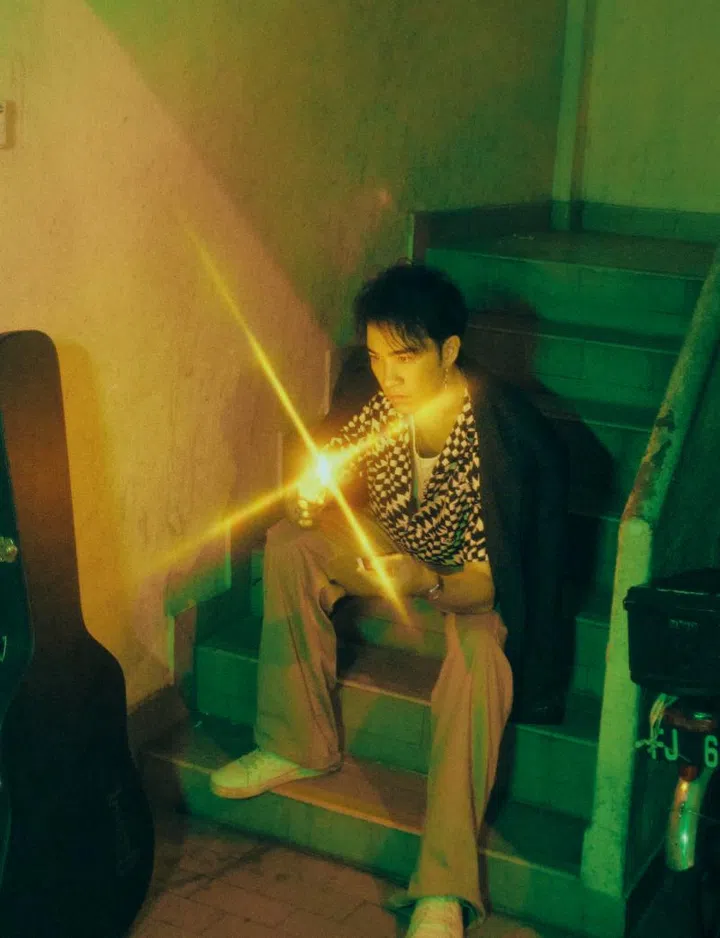
T-shirt; shirt; jacket; cargo pants, COACH. Necklace, DOLCE&GABBANA. Shoes,
Lullaboy’s own.
Related article: Love Letters To Singapore: Seven Local Creatives Share Their Well Wishes And Fondest Memories Of Home
The metaphor of a hotel is a poignant one. It speaks to the transient nature of fame, the loneliness of touring, the dislocation that comes with chasing a dream across six countries. But it also speaks to the beauty of fleeting connection, and how something temporary can still be transformative. “Every room had a story. Every story became a song. Sometimes I’d be in a city for just 24 hours, but what I felt in that moment was real, and that’s what matters.”
In conversation, you sense just how much Lullaboy’s music is tethered to his emotions. His Indonesian-Chinese and Singaporean identity makes him, in his words, an “emotional melting pot.” It’s why love, the universal denominator across cultures, remains his muse. “I’ll never stop writing about love. It’s the only thing that makes sense to me.”
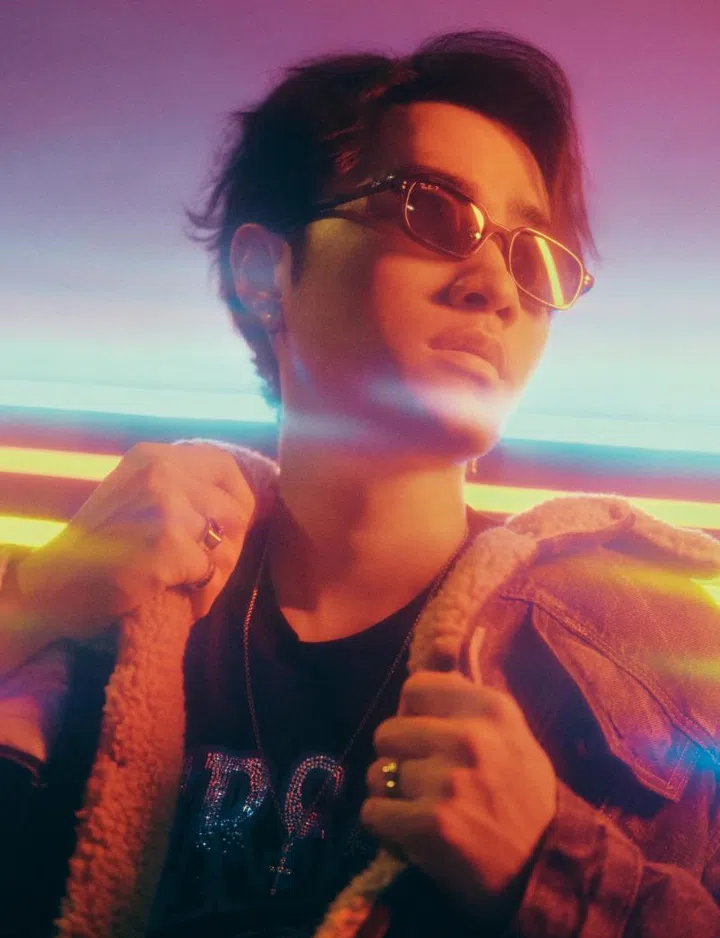
Jacket, POLO RALPH LAUREN. T-shirt, VERSACE. Sunglasses, RAY-BAN.
Still, it’s not just love songs he’s composing. In a way, Lullaboy is on the mission to create a multitude of maps for different ways towards healing. This is the kind of catharsis you find in your headphones when you can’t afford therapy, or don’t know how to ask for help. “Sometimes music is the only mirror people have to understand themselves. And if my songs can help someone sit with their sadness and not run away from it, then I’ve done my job.”
That belief fuels his work ethic. He talks about songwriting in the same way that some might talk about ministry: a calling, not a career. Even as he scales up in audience size and tour cities, he’s determined to stay grounded. He finds joy in the little things—making someone laugh, or seeing a loved one light up, for example.
“That’s my happy ending,” he says. “Not accolades. Not even success. I just want to see the people around me happy.”
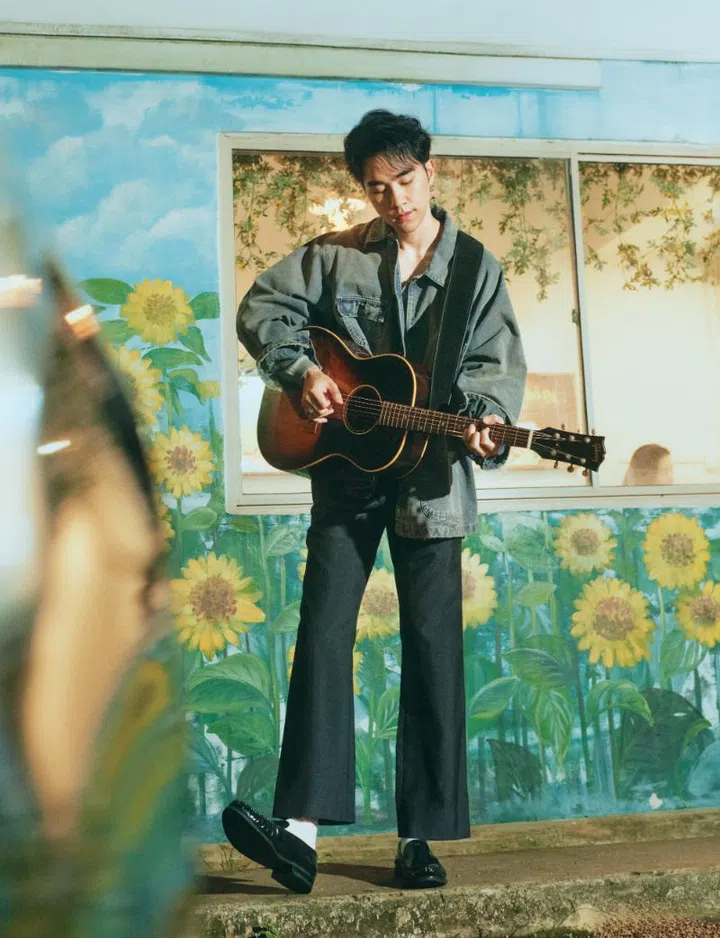
Jacket; knit; trousers; shoes, PRADA. Earring, DOLCE&GABBANA. Rings; watch, Lullaboy’s own. Socks, stylist’s own.
Related article: All The Asian Stars At Men’s Spring/Summer 2026 Fashion Week
That humility extends to his creative process, too. “Most of the songs start with a single thought: a phrase, a melody, a feeling. Then I just sit with it. Sometimes in silence, sometimes with my guitar. I pour it all out. That’s how I remember things—through songs.”
Despite the vulnerability—or maybe because of it—his fans adore him. Some travel across borders to catch multiple shows, while others write messages about how his lyrics helped them survive a break-up, or a bad year. “A lot of them are even bigger romantics than I am,” he laughs. “Which is saying a lot—I mean, sometimes I cry on stage. But it makes me feel less alone too. We’re all going through something in our lives.”
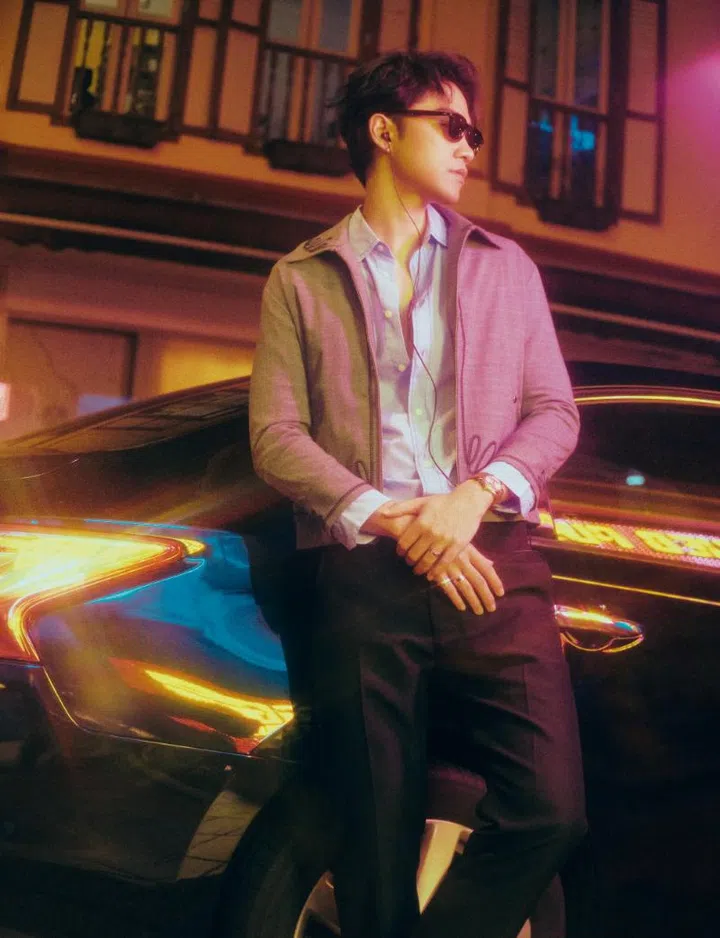
Jacket; shirt; trousers, ONITSUKA TIGER. Sunglasses, RAY-BAN.
His eyes light up when asked what he wants next. “I want to represent Singapore and Indonesia on a global scale. But more than that, I want to keep writing songs that matter; songs that help people come back to themselves.”
And if he has to keep sitting with sadness, longing or anxiety to do it? So be it. “If we ever get the chance to feel pain,” he says, “it means we once had something worth feeling. That’s the trade-off. And I think it’s worth it.”
He pauses, the silence hanging between us like the tail end of a one of Lullaboy’s pop-meets-R&B verses. “You know, at the end of the day, it’s not about looking perfect. All of these emotions that we feel—joy, sorrow, anguish, heartbreak, love—it’s about being human and the beautiful complexities of that experience. That’s the whole point. That’s why I make music.” He smiles. “Because if someone out there feels a little less alone because of my song, then that’s everything to me.”
Editor-in-Chief: Kenneth Goh
Photography: Shawn Paul Tan
Styling: Aaron Kok
Grooming: Aung Apichai, using Guerlain and Kevin.Murphy
Photographer’s assistant: Chay Wei Kang
Stylist’s assistant: Tenki Teh