
New-Nostalgia Brings A Fresh Start To The Runway
A crop of forward-thinking female designers are proving that the two need not be mutually exclusive.
By Jeffrey Yan - published
This past March, something rare and wonderful happened at the women’s fall/winter 2024 shows. In her first outing as the creative director of Chloé, Chemena Kamali managed to capture lightning in a bottle with a frilly, floaty collection that harked back to the heights of boho chic in the Noughties, which itself was inspired by the eclectic romanticism of the Seventies.
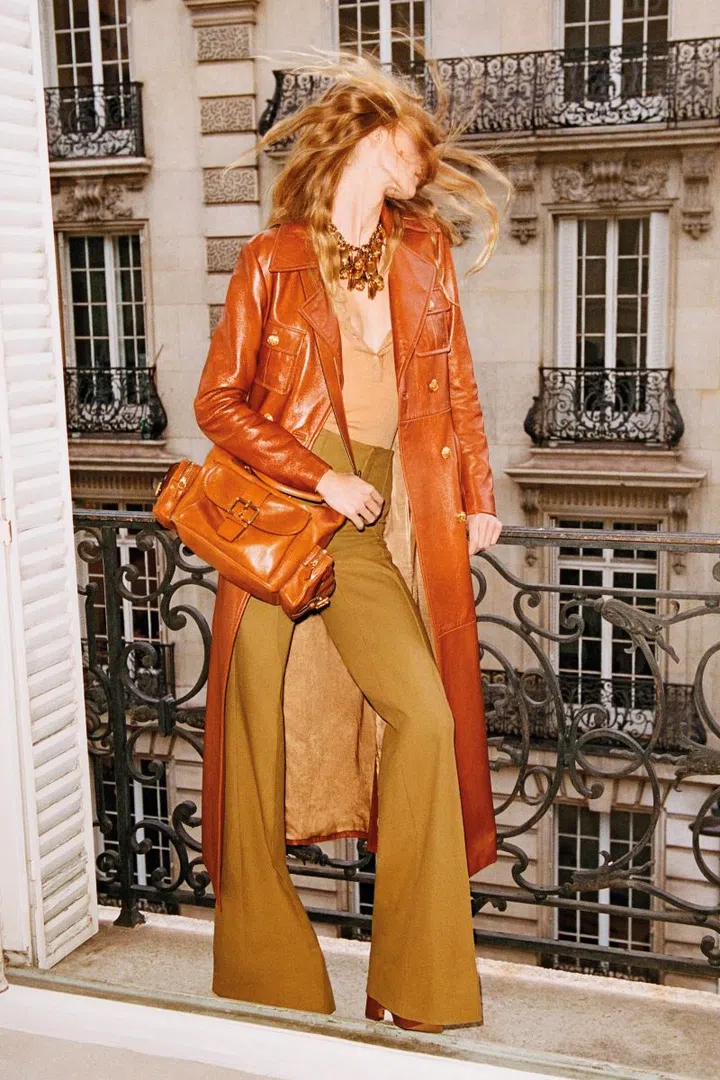
Chloé pre-fall 2024
With so many designers pushing coolly calculated minimalism or engineered-for-virality outrageousness, Kamali’s soft cascades of ruffles and patchworked denims—first introduced by Karl Lagerfeld, then revived by Stella McCartney and Phoebe Philo—suddenly felt fresh again. This was no straight-up rehash though; Kamali put her own, very 2024 spin on things—those billowy dresses were tucked into slouchy high boots; the jeans were worn with handsome capes and sturdy clogs. She doubled down on the Seventies-via-Noughties idea—think wispy blouses, flared pants and long-line leather coats—for her just-unveiled pre-fall 2024 collection, which is hitting stores a few months ahead of that fall/winter collection.
Related article: Charmaine Sheh Brought Grace And Elegance To Chloé’s First Pop-Up In Asia
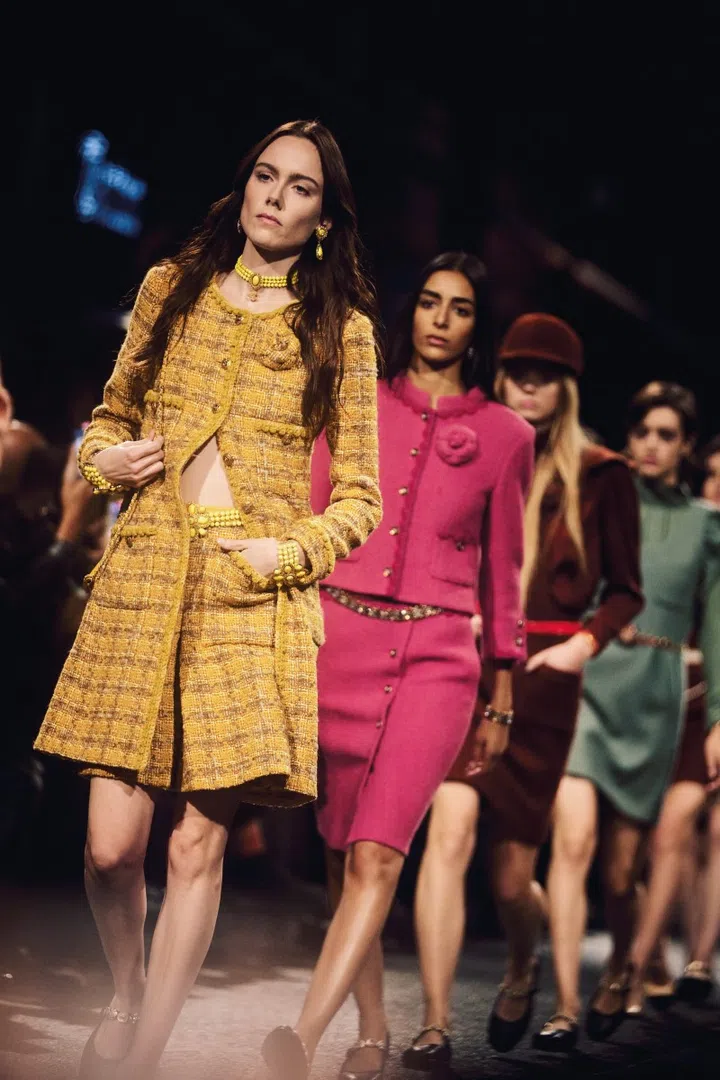
Chanel pre-fall 2024
She’s not the only one looking back to move forward. It was a familiar refrain in the pre-fall collections, notably led by female designers designing for their own lives. It’s not hard to see the appeal of that approach. As trade reports warn of a luxury slowdown, it can be comforting for brands and designers to turn to the familiar, the time-tested and proven. But as Kamali and co prove, the best ones are merely borrowing from the past—they are not beholden to nor stuck in it. Look at Chanel, where Virginie Viard mined Coco’s life and history season after season before her departure last month. For pre-fall 2024, she set her sights on Manchester (Coco was famously in love with the UK, via the Duke Westminster). She zeroed in on the period between the Sixties and the Eighties—boom years for music and pop culture coming out of Manchester. The result—from vibrant tweeds to black patent leathers, all cut short to show off bare legs—was one of her strongest and most youthful collections for Chanel.
Related article: Chanel’s Métiers d’Art 2024 Collection Was A Celebration Of Craft, Culture And The Best Of Manchester
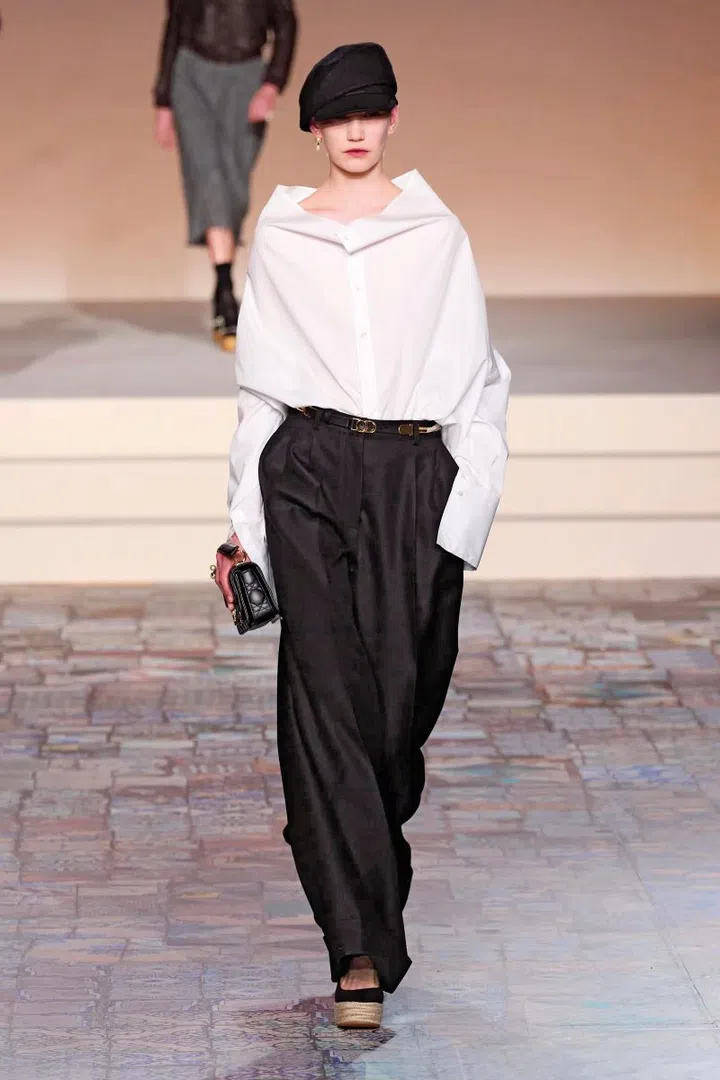
Dior pre-fall 2024
Across the pond, Maria Grazia Chiuri was lightening up the lavish Dior post-war look with a healthy dose of American sportswear ease. The trim little black suits, and the crisp shirts with gorgeous portrait necklines had an Audrey Hepburn-esque air to them—Old Hollywood, if you will, but de-emphasis on the Old. Also in New York is one of the buzziest female designers of our time not currently attached to a big house, Catherine Holstein of Khaite; she too was drawing from the old to craft something distinctly modern. Her pre-fall 2024 collection had broad-shouldered biker jackets from the Eighties, and gazar bubble skirts from the Fifties. In her hands though, these tropes from fashion’s past were turned into cool, covetable downtown-girl staples.
Related article: Menswear Takes On The Barely-There Trend
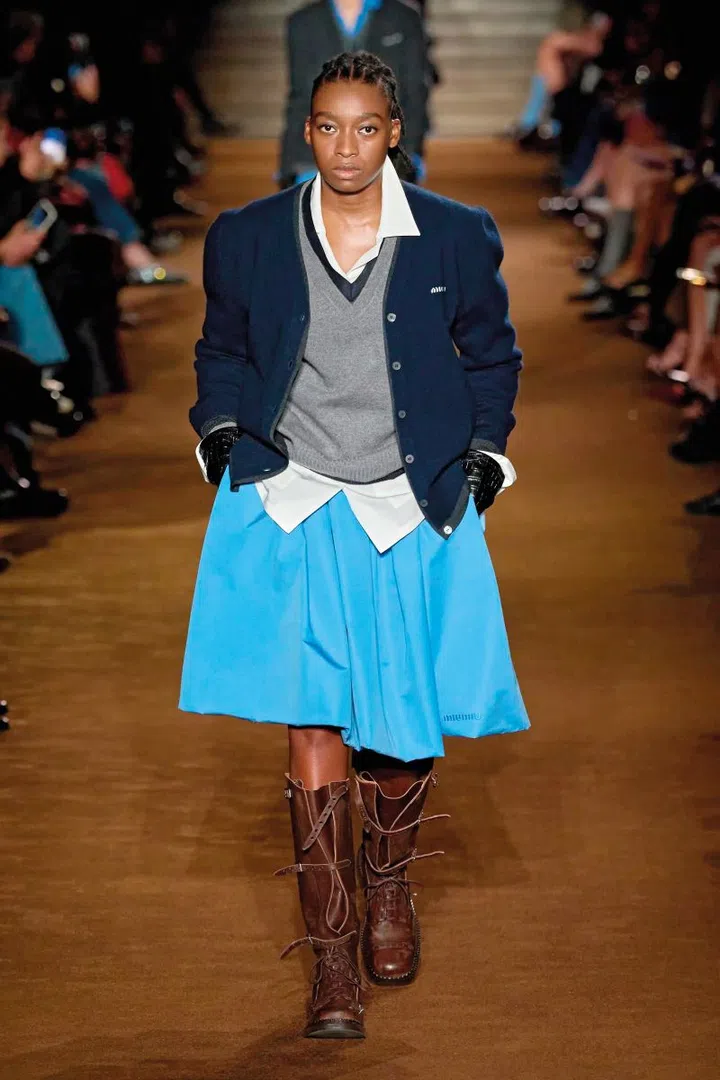
Miu Miu fall/winter 2024
No one remixes references, eras, cultures and subcultures quite like Miuccia Prada. For a few seasons now, her work at Miu Miu has set the tone for what women all over the world want to wear. She changed tack for fall/winter 2024, diving deep into the history of fashion to excavate and reexamine the familiar. There were alluring propositions aplenty in that collection, but perhaps none more so than the full-skirted, New Look-inspired ensembles that read Fifties in silhouette, but composed of fabrications and elements lifted from the traditional working-man’s uniform. It’s this proclivity for knowing when to break the rules, to turn well-established codes on their heads—best exemplified by Prada, but shared by all the women on this page—that turn what could have been period costumes into actual, desirable clothes.