
“You Need To Understand It, To Preserve It”: Pierre-Louis Vuitton On Why Craft And History Still Matter
As Louis Vuitton celebrates 130 years of its iconic Monogram, we speak to the head of Savoir-Faire on safekeeping the legacy of the House.
By Aaron Kok - published
Some family heirlooms are passed down through dusty attics or old jewellery boxes. Pierre-Louis Vuitton, a sixth-generation descendant of the legendary Louis Vuitton, inherited a slightly different legacy: a canvas.
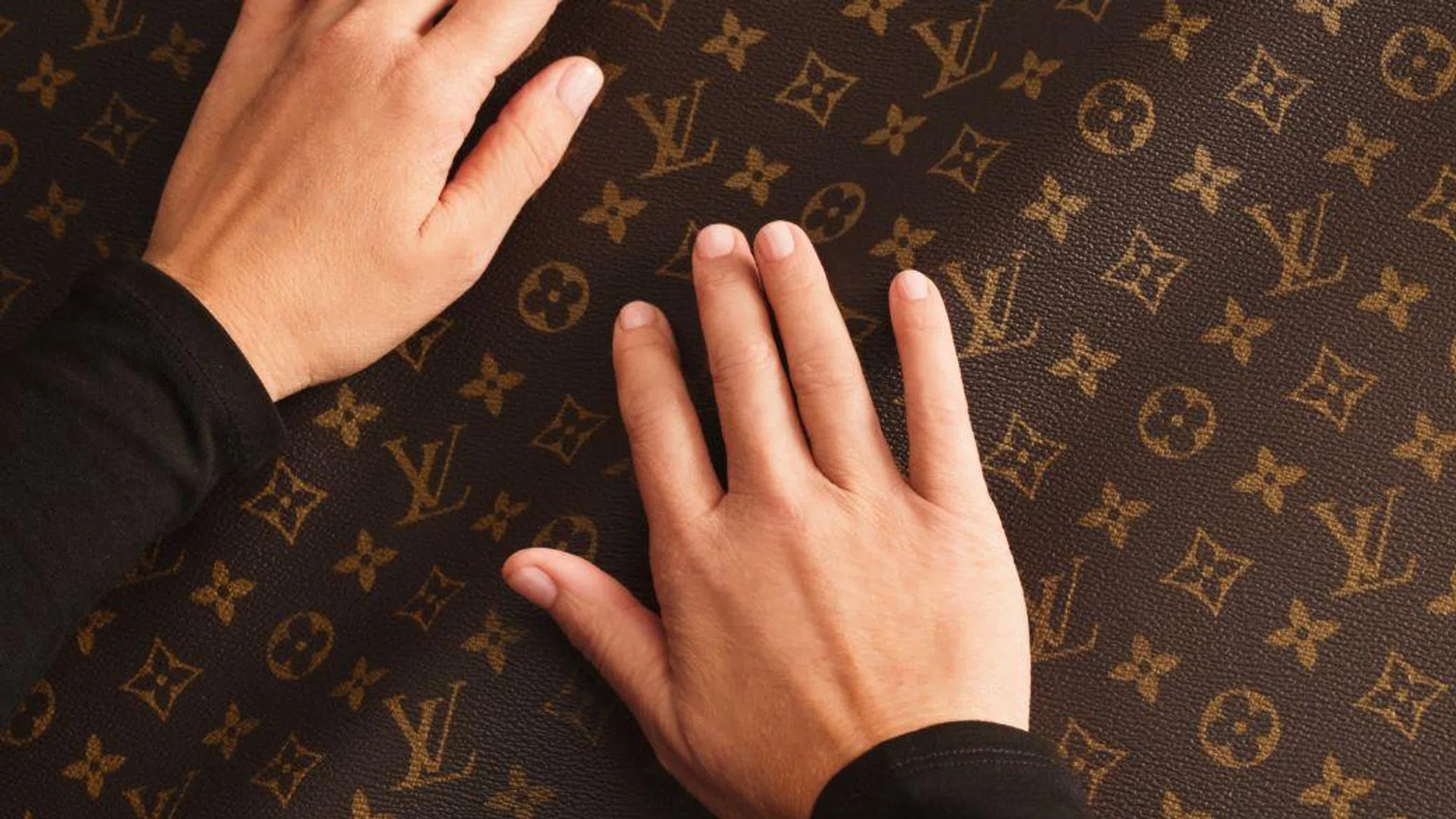
To be specific, it’s not just any canvas, but the Monogram—those interlaced initials and floral motifs dreamt up in 1896 by his great-great-grandfather Georges Vuitton as a tribute to Louis, the founder of the House.
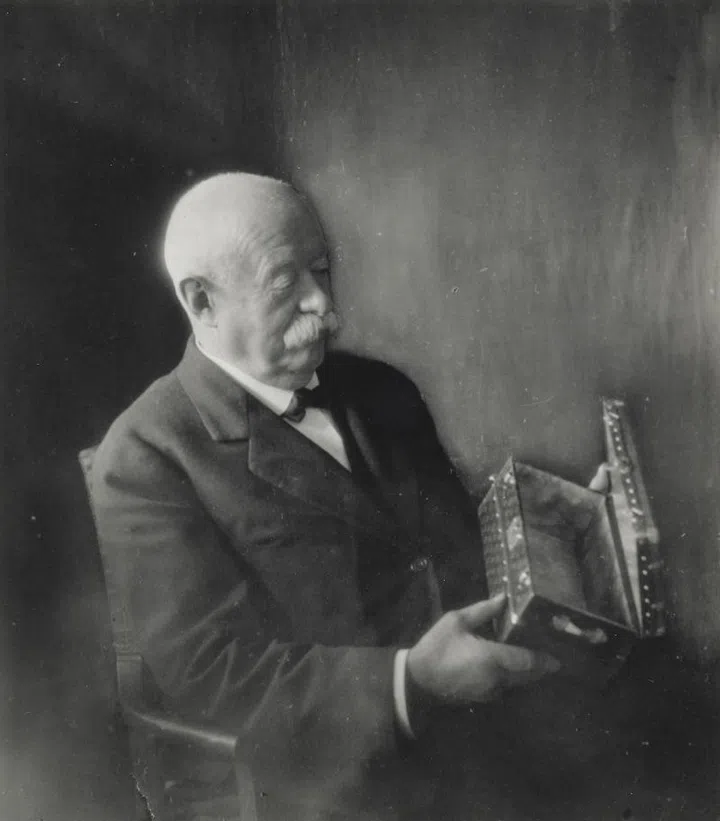
A photograph of Georges Vuitton, taken around 1930, examining a Malle Fleurs in the House’s monogrammed canvas.
Now, as head of Savoir-Faire, Pierre-Louis is the keeper of this legacy, steering it into its 130th anniversary with a reassuringly steady hand and a soft-spoken reverence for craft.
“When I was young,” he tells me, “the workshop was kind of forbidden to children.” But growing up in Asnières, the historic birthplace of the brand, it was impossible to resist the pull of the ateliers. “I would follow my grandfather inside sometimes, and the smells of leather, of wood…it was very special.” At the time, Louis Vuitton was not the global behemoth it is today. It was, as he remembers, “a family place”, both literally and figuratively. Craft, after all, was the family business.
Related article: All The Fashion News You Need To Know Right Now
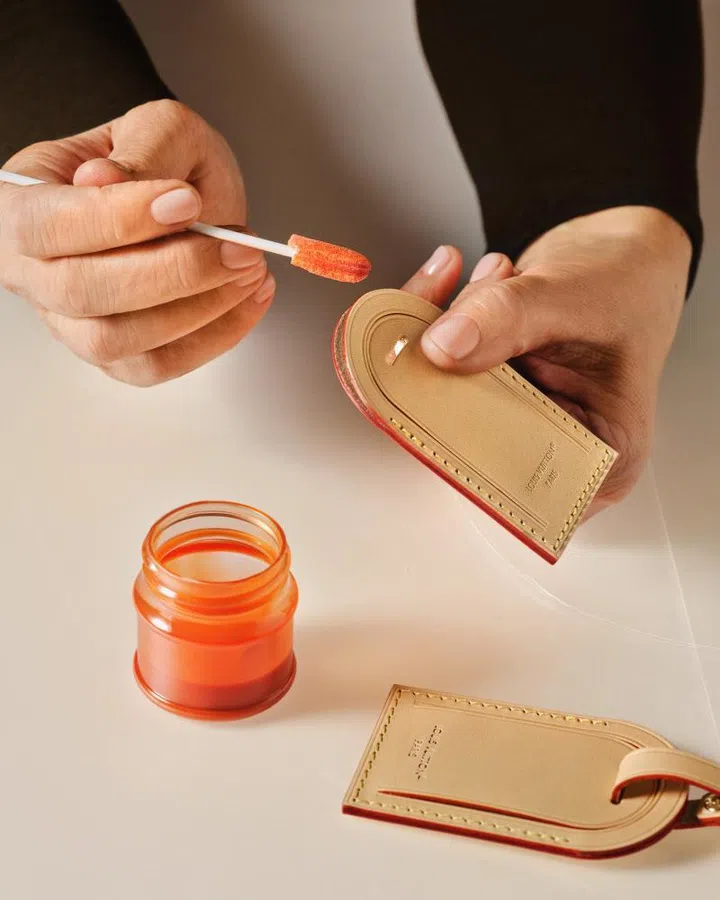
Craft is still the business. But in 2026, it comes with a few more expectations. The Monogram’s anniversary is not just a milestone—it’s a balancing act of past and present, reverence and reinvention. Pierre-Louis knows this intimately. As guardian of the Maison’s savoir-faire, his job is part historian, part innovator, part translator between generations.
“We innovate on canvas, on shapes,” he says, “but also we must preserve the identity of the brand.” It sounds like a philosophical mission statement, but he means it quite literally. The House has never stopped producing travel trunks since Louis Vuitton himself started building them in 1854.
That savoir-faire has been passed down from father to son, from artisan to apprentice, for generations. It’s this transmission, not just the trunks themselves, that Pierre-Louis is determined to protect.
And there is plenty to protect. The Monogram canvas has seen multiple evolutions over the past 130 years, from jacquard weaves to the resin-coated icons we know today. It began as a practical solution against counterfeits, but quickly became a cultural emblem that has travelled from steamship ports to airport lounges, from Singapore to Seoul. As Pierre-Louis puts it, “When Georges imagined the canvas, he used jacquard. It was beautiful, but very hard to make. Maybe that’s why it only lasted 10 or 15 years.”
Related article: Louis Vuitton Reimagines Its Most Enduring Signature On Its 130th Anniversary
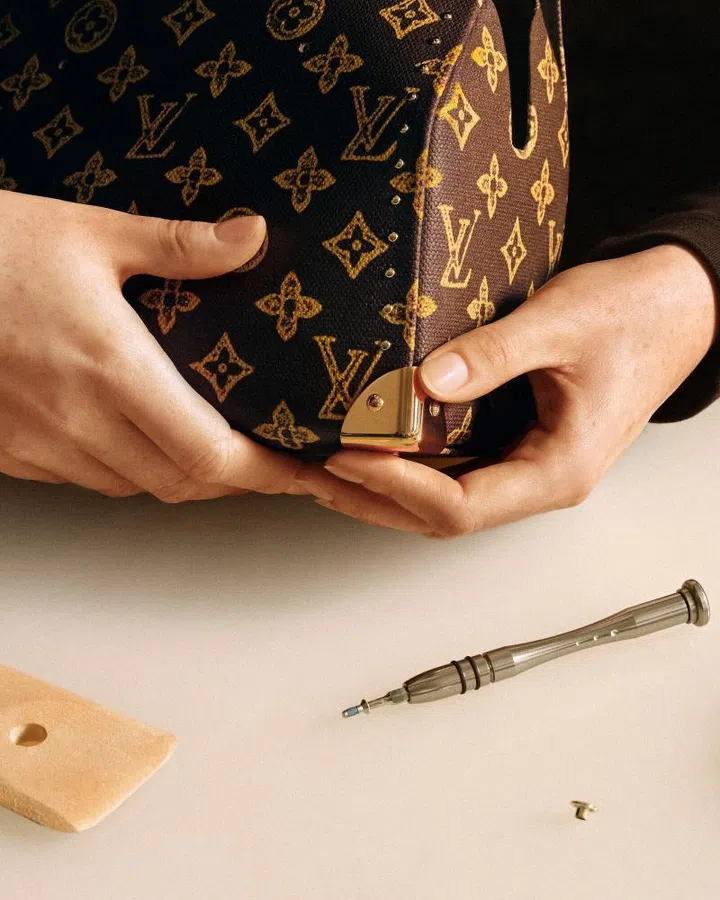
Today, that original jacquard inspiration has found new life in the Monogram Origine collection—one of three special capsules that inaugurates the anniversary celebrations. It features a linen-and-cotton blend canvas in different colourways, each subtly tinted to nod at the Maison’s heritage.
Bleu Courrier, for example, recalls the sky-tinted envelopes of luxury travel; Vert Asnières is named for the family home. The effect is nostalgic but not naive. Each bag arrives with a nametag that doubles as a cardholder, hot-stamped with Louis Vuitton’s own handwriting, lifted straight from an 1867 patent application for the Flat Trunk.
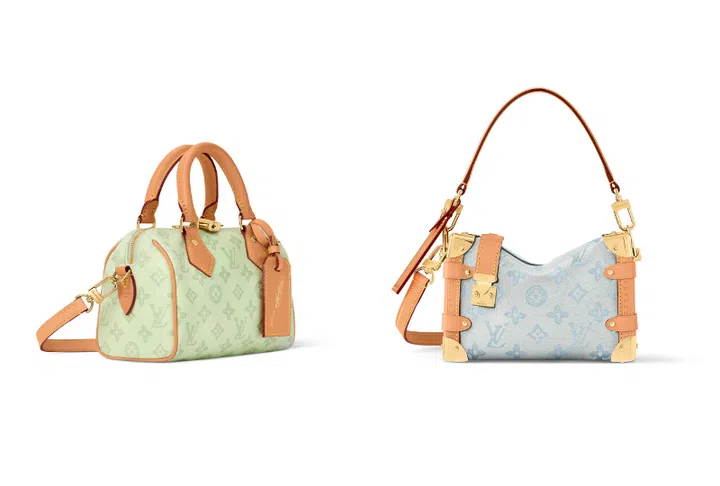
When I mention this collection, Pierre-Louis lights up. “It was exciting to play with the old canvas,” he says. “To see the new colours, the new creations, but always with the original savoir-faire. The quality is exceptional.” He makes it sound simple, but this is the genius of Vuitton: the illusion that reinvention is as easy as reaching into the archives. In reality, the past doesn’t resurface without intention. Someone has to know the archives well enough to mine them.
Pierre-Louis is that someone. Since joining the House in 2004, he has become a walking index of its production history. When a designer pitches a new shape or a custom order, he and his team checks the archives for inspiration and to see if the know-how has already existed prior. “Often,” he says, “we find we’ve already done something similar, and we can reinterpret it. There are always ideas.”
Related article: The Best Bags To Buy From Spring/Summer 2026, According To A BAZAAR Editor
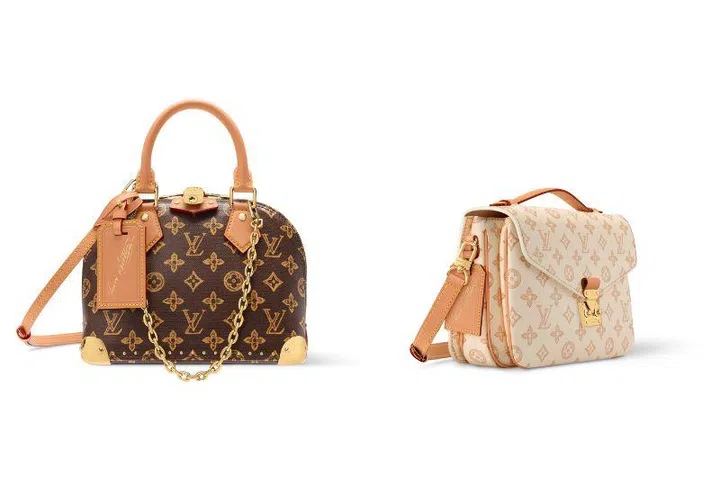
He talks about heritage with an engineer’s precision and a poet’s tenderness. Asked about his first Louis Vuitton piece, he doesn’t mention a showpiece bag or special edition trunk. He names an Alzer, the classic hard-sided suitcase. “I travelled to the United States with it. I still have the Alzer today. Sometimes I use it in my car.” The answer is charmingly analogue, and in a world of digital flexing, it’s also telling. For Pierre-Louis, the trunk isn’t just merely an accessory, but also a companion.
In some ways, so is the Monogram. It has become shorthand for fashion status and artistic collaboration. It has been graffitied by Stephen Sprouse, rainbowed by Takashi Murakami, and polka-dotted by Yayoi Kusama. Yet it has never lost its original essence: a fusion of function, family and flair.
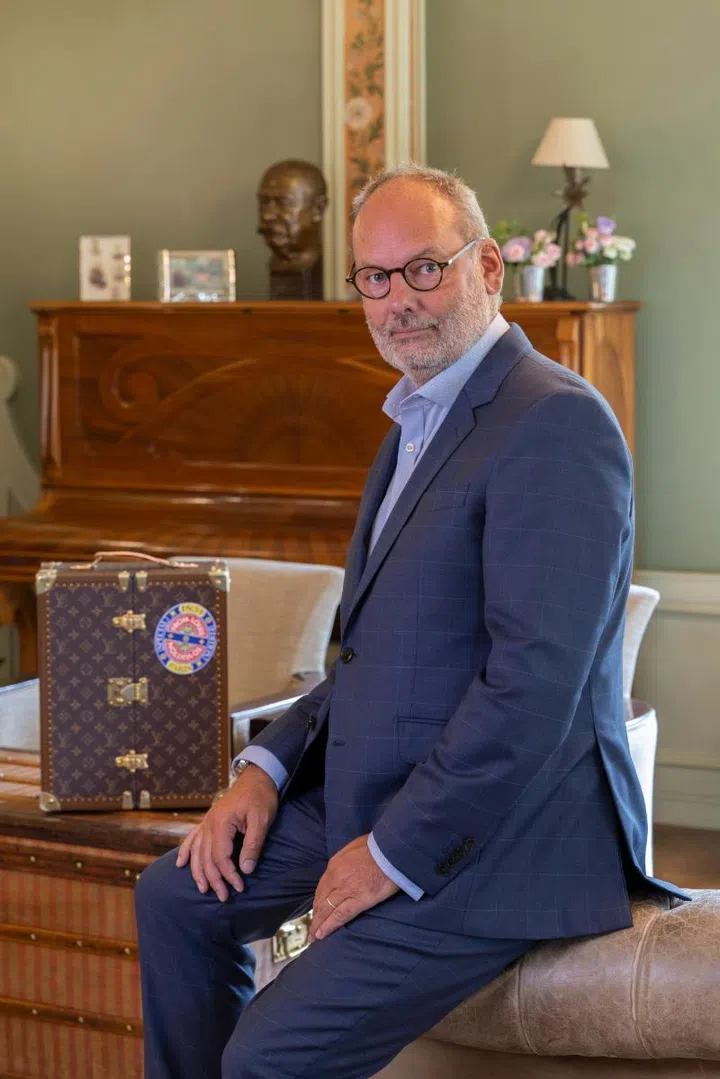
Pierre-Louis Vuitton, head of Savoir-Faire at Louis Vuitton
If the Monogram is a canvas of continuity, then Pierre-Louis is its committed keeper. In our conversation, he never once uses words like “iconic” or “timeless”, though not that he needs to. Instead, he speaks of passing down knowledge, of honouring artisans, of teaching new joiners that every bag begins with a story. “Each operation has a history,” he tells me. “You need to understand it, to preserve it.”
That, perhaps, is the real luxury: not just to carry a piece of history, but to understand the hands that made it. And at Louis Vuitton, those hands are still shaping, still stitching, ever persevering through to bear and guard the brand’s legacy. As for Pierre-Louis? He may have inherited the name, but he’s more interested in the art of the craft. And that makes all the difference.