
By Aaron Kok - published
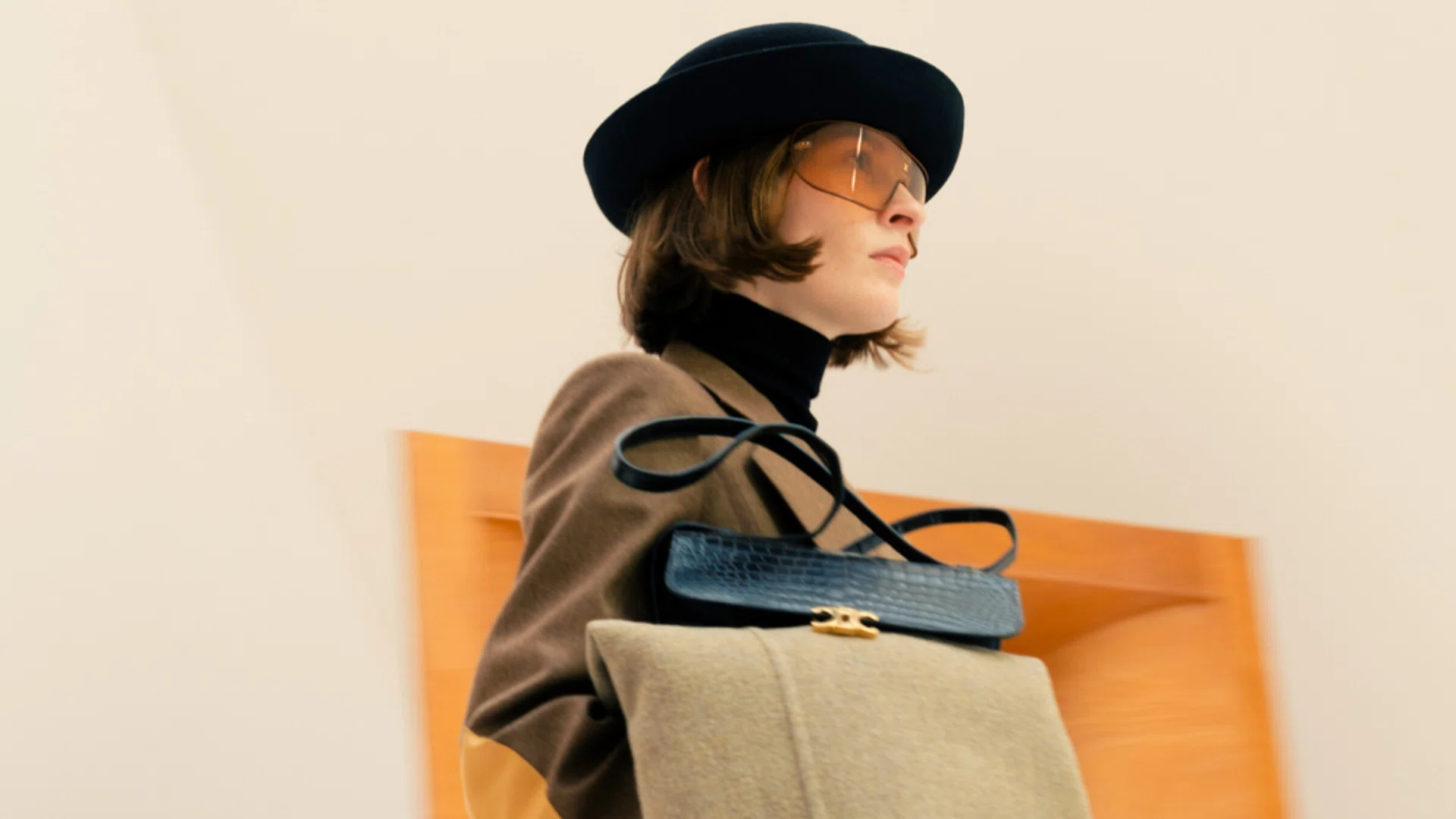
There is a particular kind of elegance that Celine, as a brand, has always represented: an instinct that doesn’t try too hard to announce itself. With his third runway outing for the house, Michael Rider appears increasingly confident in shaping what that elegance might look like today. If his first two collections established the bones of a new Celine wardrobe, fall/winter 2026 feels like the moment the clothes begin to breathe. The result is fashion that feels impossibly chic yet oddly relatable—luxury not as fantasy, but as the quotidian elevated.
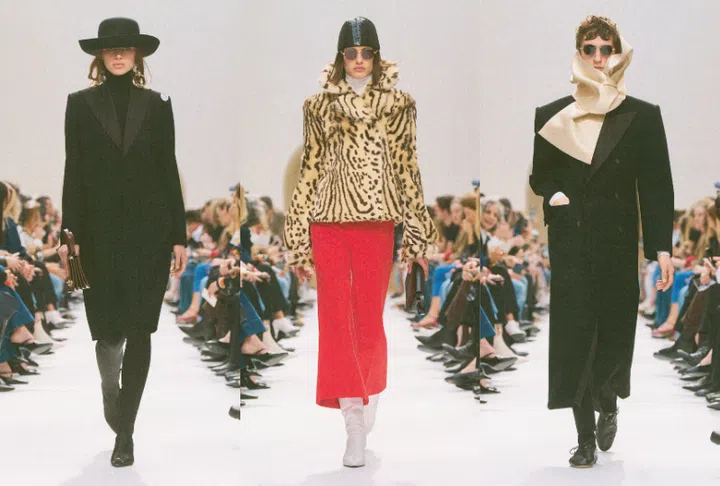
Rider has described his approach as “building out a life in clothes,” and that idea hums gently through the entire collection. It is not a fashion show in the traditional sense of theatrical gestures or conceptual fireworks. Instead, what unfolds is a wardrobe in motion: garments that feel designed to exist in the rhythms of a real day, even if that day happens to take place somewhere between Saint Germain cafés and late-night music rehearsals.
The tailoring told the story best. Pants are cut slim through the thigh before kicking out into subtly flared hems, bringing a faintly awkward charm to the silhouette—an intentional imbalance that keeps the clothes from feeling too pristine. Worn with neat, close-cut blazers or a feline furry jacket, the effect reads somewhere between Left Bank intellectual and 1950s rock-and-roll nonchalance. The beatnik spirit is unmistakable: cigarette-slim sleeves, louche overcoats that stretch down to the ankles, hoicked-up trousers, and the sort of lean silhouettes that feel designed for walking through Paris with a sense of purpose.
Related article: Tod’s Delivers Sexy, But On Its Own Terms
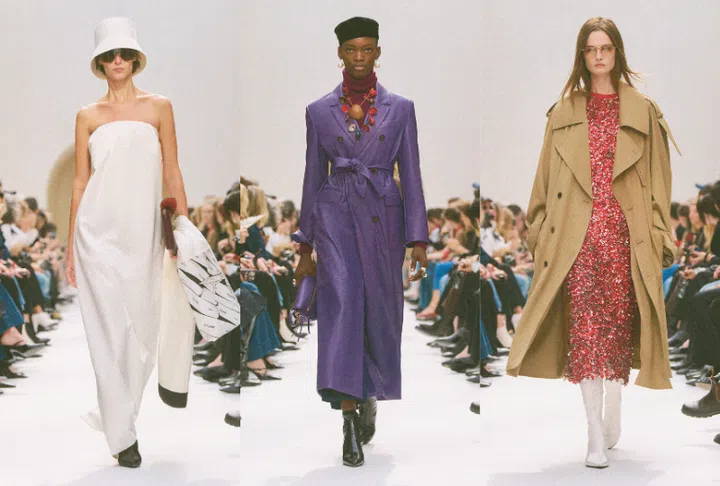
Yet Rider is careful not to slip into nostalgia. Instead, the collection sits somewhere between eras. There are echoes of mid-century French chic—adaptations of peacoats, narrow wool coats, compact double-breasted jackets—but they are sharpened with contemporary irreverence. A tailored jacket might flare out slightly at the hip in a way that feels almost gawky. Cardigans are thrown haphazardly over tonal knits, as if you couldn’t decide how many layers to bring out with you today. It is classicism with a subtle twist, what Rider himself has described as “classics with bite.”
That bite appears most clearly in the styling. Bucket hats and feathery crowns tilt the looks into something faintly eccentric. Plimsolls soften tailoring that might otherwise feel severe. White footwear—unexpected for winter’s muddy pavements—punctuates the darker palette with flashes of brightness. Even the accessories carry a note of oddity: padded silk scarves wrapped protectively around the neck, sometimes rising high enough to obscure part of the face, like emotional armour disguised as elegance.
Related article: BAZAAR Editor’s Picks: Best Looks From Ferragamo Fall/Winter 2026
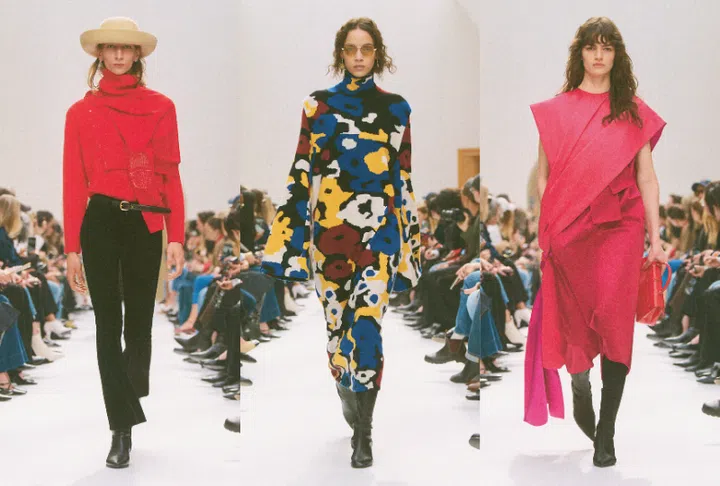
And yet the most intriguing idea running through the collection might be philosophical rather than visual. Rider spoke about wanting the clothes to reveal something of the person wearing them—the “messy, complex, layered inner lives” beneath beautiful garments. It is a subtle but important shift in tone, because where fashion often operates as armour or disguise, Rider seems interested in clothes that allow personality to leak through the seams.
This philosophy—a running theme amongst many European houses this season who are focused on exploring and fortifying the architecture of wardrobe rather than just throwing out transient trends—manifests in the small imperfections scattered across the collection: the slightly off proportions, the unexpected textures, the gentle eccentricities. They give the clothes character, and one senses that Rider is less interested in constructing a perfect image than in designing garments that people might inhabit in their own idiosyncratic ways.
Related article: Demna Gives A Lesson In Sex Education At Gucci Fall/Winter 2026
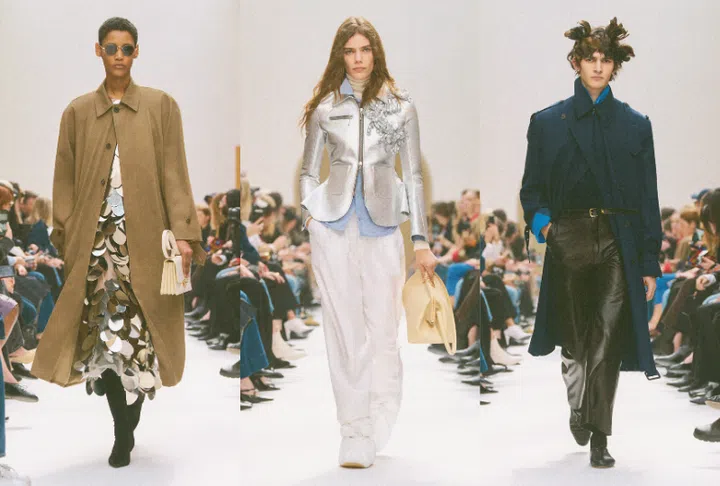
In that sense, Rider’s latest show feels more like an invitation. He does not dictate how these clothes should be worn so much as suggest a vocabulary of slim tailoring, beatnik attitude, a hint of rock-and-roll insouciance. These are the building blocks, and the rest is left to the wearer.
And perhaps that is precisely the point. At its best, Celine has never been about spectacle. It is about style—the elusive quality that lives somewhere between discipline and instinct. Rider seems to understand that well, and what he is building here is not simply a collection, but a world: one where elegance is precise, character is allowed to show, and the everyday act of getting dressed might just change how a person walks through the day.