
By Windy Aulia - published
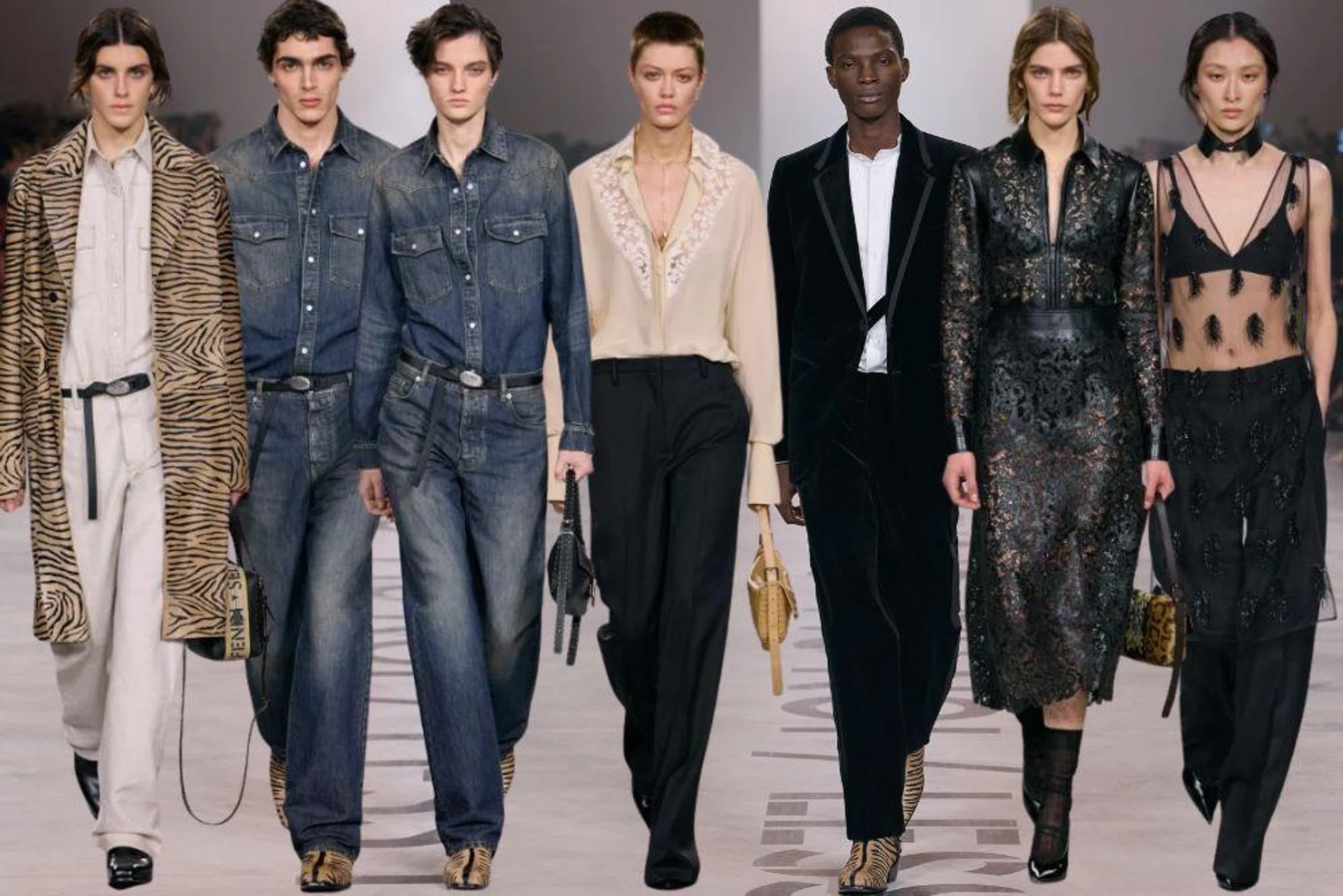
There’s a strong sense of composure at Maria Grazia Chiuri’s first collection for Fendi for fall/winter 2026. Nearly four decades after beginning her career at the Roman house, her return as the Chief Creative Officer read more as a recalibration rather than a reinvention. It was austere, yet strangely refreshing amidst the halo effects from many of the previous season’s designers’ debuts in Paris which, in hindsight, resembled more of a spectacle.
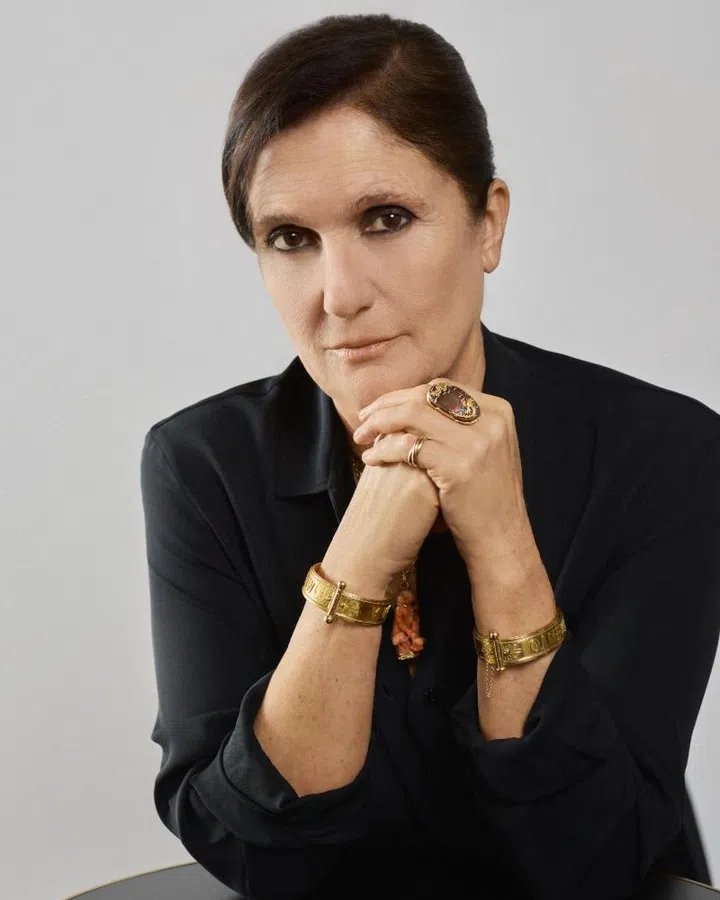
Maria Grazia Chiuri, Fendi’s Chief Creative Officer
Related article: Ins And Outs: Here Are All The Major Designer Changes In Fashion
The collection opened in black. Not dramatic black, not gothic black—but purposeful black. Neither did it signal melancholy or romance, but it functioned as structure. By narrowing the chromatic field, Chiuri foregrounded silhouette and construction. She forced our eyes to appreciate the architecture of a jacket’s shoulder, the precision of a coat, and the calibrated contrast of tailored wool against fluid silk. For a house long associated with bold surface treatments and graphic impact, this reduction felt deliberate. If a collection was devoid of any obstruction, it was because it was clearing space.
In the press release, Chiuri cited Mirella Bentivoglio, the Italian poet and visual artist whose practice propelled language, silence, and systems of meaning into mixed-media art. Bentivoglio often worked through fragmentation by isolating words, rearranging symbols, and exposing the scaffolding beneath the visual communication itself. Bentivoglio’s compositions were frequently austere, governed by internal logic rather than decorative impulse.
Related article: Fashion’s New Guard: Breaking Down What The SS26 Debuts Mean For Fashion
Evidently, Chiuri’s debut could also be seen through a similar lens. The runway statement, “Less I, more us,” was her homage to the formidable Fendi sisters and suggested a conscious shift away from singular authorship towards collective construction. On that note, Chiuri appeared to interrogate the grammar of Fendi (fur, coats, jackets and accessories), reorganising them with restraint. And just like Bentivoglio’s textual deconstruction, the power of Chiuri’s debut collection for Fendi lay in editing rather than embellishing.
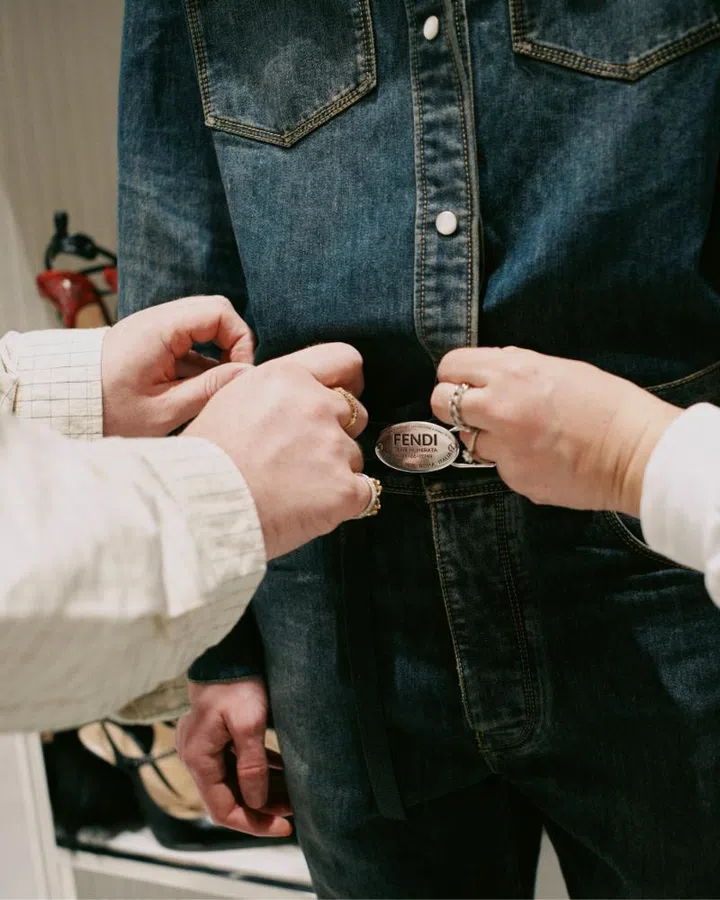
This philosophical alignment became particularly clear in Chiuri’s proposal of a “shared wardrobe” without the overt rhetoric that often accompanies discussions of gender fluidity. Tailored jackets, elongated coats, and softly structured trousers traversed bodies with minimal alteration. The gesture was not about provocation; it was about normalisation. In framing clothing as shared rather than assigned, Chiuri subtly challenged the traditional hierarchy. This unisex approach felt more pragmatic and more contemporary.
Related article: All The Fashion News You Need To Know Right Now
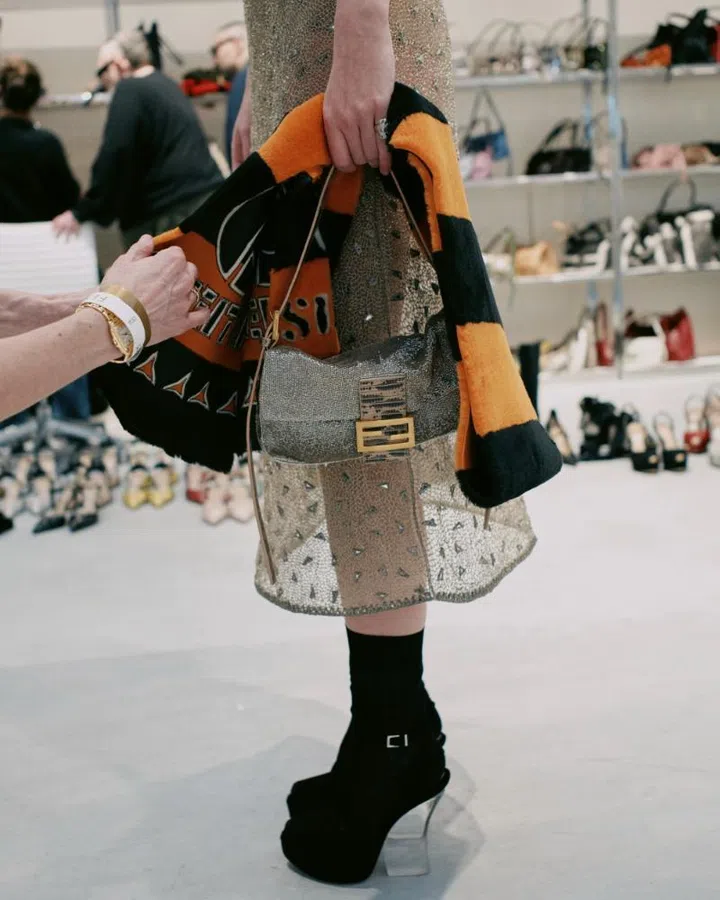
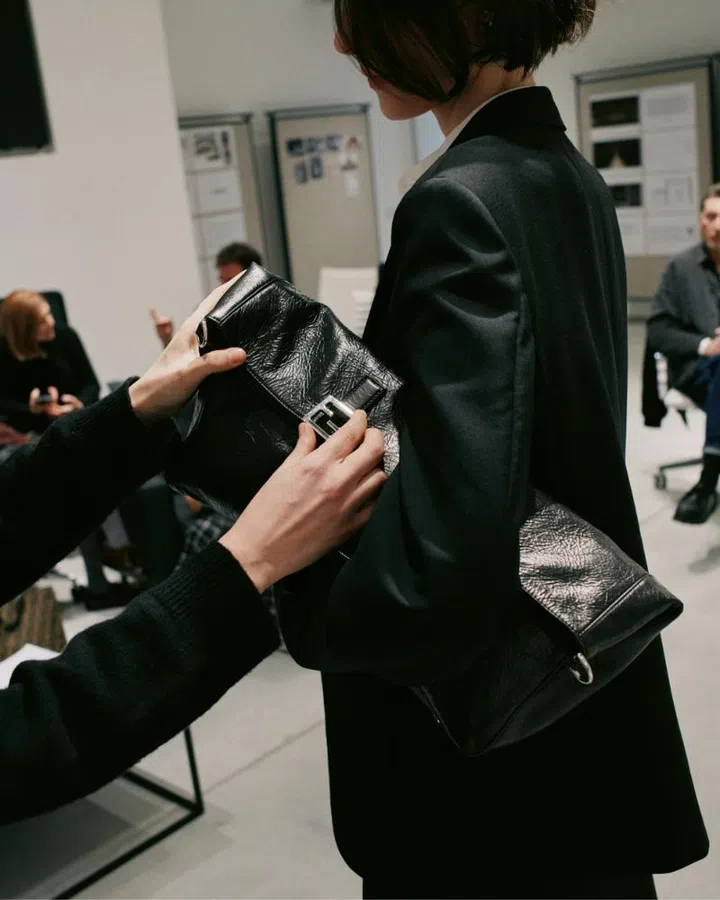
Meanwhile, the accessories—one of Chiuri’s strengths as a designer (she famously co-created the Fendi Baguette back in the day)—reinforced continuity without nostalgia. The Fendi Baguette reappeared in muted textures and controlled finishes, integrated into silhouettes rather than spotlighted as an icon.
Related article: Phan Huy In Paris: Inside His Paris Haute Couture Week Show
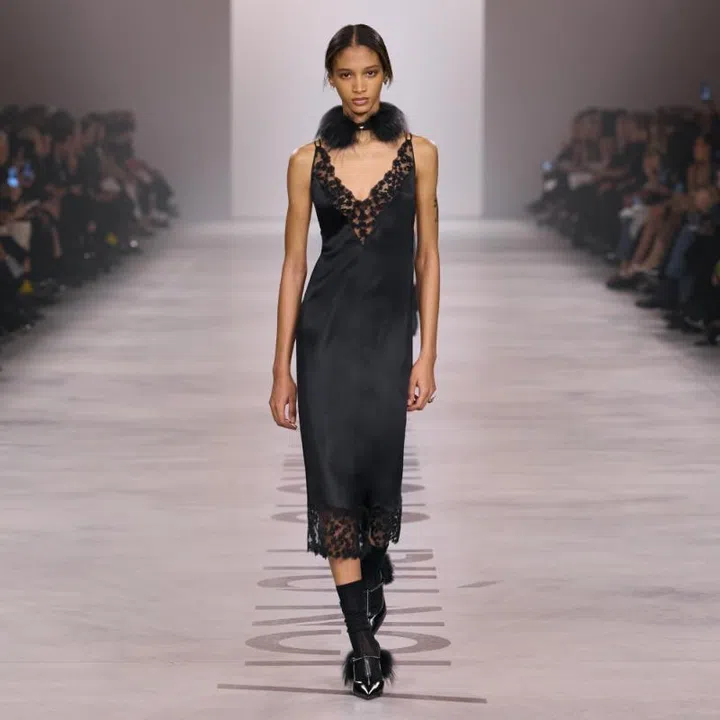
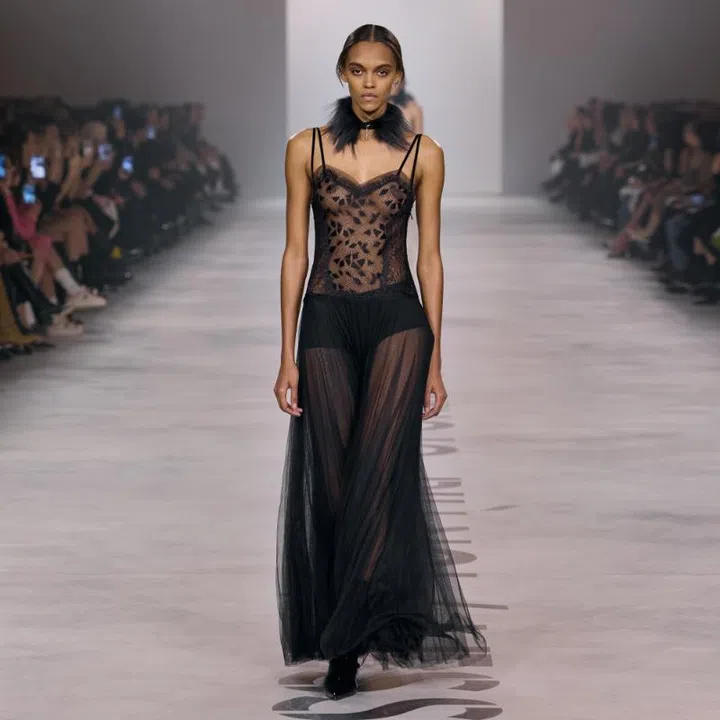
Even lace, a recurring element in Chiuri’s design vocabulary, was handled with composure. Sheer dresses were grounded by tailored outerwear, preventing it being seen as soft and flimsy. This dialogue between softness and discipline echoed Bentivoglio’s balance between poetic expression and formal constraint.
In an industry that often equates novelty with volume, Chiuri’s first chapter at Fendi proposes steadiness. Purposeful black becomes both aesthetic and metaphor, laid down as a framework within which evolution can and may occur—Rome wasn’t built in a day.
The new spirit of Fendi does not announce itself loudly. It articulates through construction, proportion, and the quiet assertion that fashion, just like language, gains power when its structure is understood.