
More Than Just Athletes: A Deep Dive Into The New Partnership Between Sports And Fashion
Fashion is aiming for a podium finish with its sports-focused gambit. Will it be a home run?
By Aaron Kok - published
As soon as she stepped out at the 2024 Women’s National Basketball (WNBA) draft in April, Caitlyn Clark got people talking.
As draft hopefuls like Clark began arriving at the Brooklyn Academy of Music, the buzz wasn’t on how Clark was the first to be picked for the Indiana Fever. Instead, social media erupted at the sight of Clark’s arrival look from Prada. In a rhinestone mesh top, a sleek white double satin overshirt and skirt, Clark could easily be mistaken for a fashion week attendee rather than a basketball draftee. She would go on to visit her new base town of Indianapolis in head-to-toe Louis Vuitton.
It was a first for Prada—the Italian house has never dressed a player for either the WNBA or the NBA draft prior to Clark. With WNBA games continuously breaking viewing records—2.1 million eyeballs were tuned in to Clark’s first game in May—it’s easy to see the allure for Prada.
And Prada isn’t the only brand to have a sporting first this year.
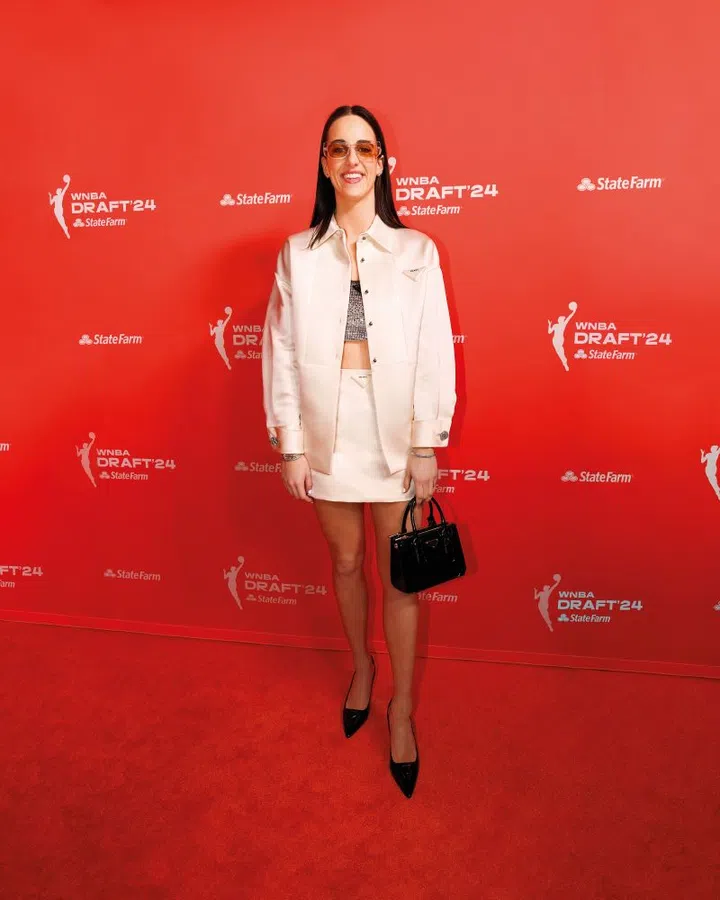
Caitlin Clark wearing Prada for the 2024 WNBA draft
Gucci has also seen its share of chatter at Wimbledon last July when Italian tennis up-and-comer Jannik Sinner strode out in a Gucci tennis kit.
The English have always held a strict view when it comes to tennis, but for the first time in almost 150 years, the unwavering dress code of “tennis whites only” was ignored and Gucci was very much integral to that. With Sinner’s custom-made GG logo duffel bag, style won the match against stuffy rules.
“Bringing sport and luxury fashion together in this way is something that’s never been done before and I feel extremely proud to be a part of it. I hope people will love it as much as I do,” Sinner later told Women’s Wear Daily.
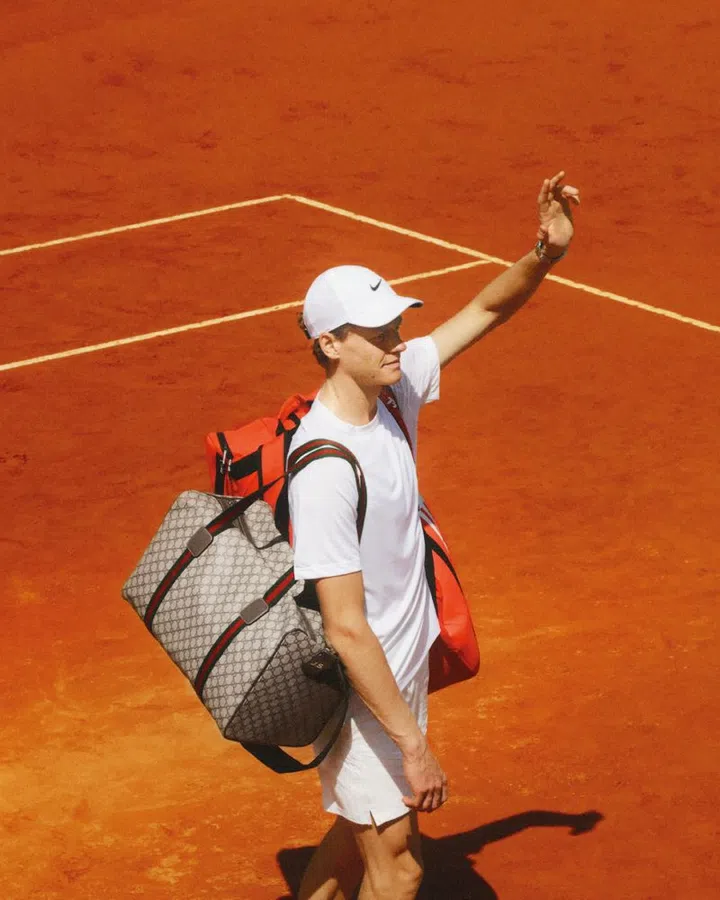
Jannick Sinner at Wimbledon with his custom-made tennis kit from Gucci
The new partnerships between fashion and sport have also grown beyond the arenas and into sports-adjacent projects.
Jonathan Anderson, the creative force behind LOEWE, took on a new role designing costumes for Luca Guadagnino’s Challengers movie. Cue the “I TOLD YA” slogan tee worn in the movie that went viral and eventually retailed at LOEWE, or the slew of tennis-inspired red carpet looks that actress Zendaya and stylist Law Roach were seen in at the Challengers press tour. Tennis ball stilettos, anyone?
However, this partnership isn’t new, per se. Serena Williams became the first athlete to be awarded the CFDA’s Fashion Icon Award last November. Tennis player Emma Raducanu and soccer player Megan Rapinoe are ambassadors for Dior and LOEWE respectively, and the list goes on.
But why is fashion deepening its ties with sports now?
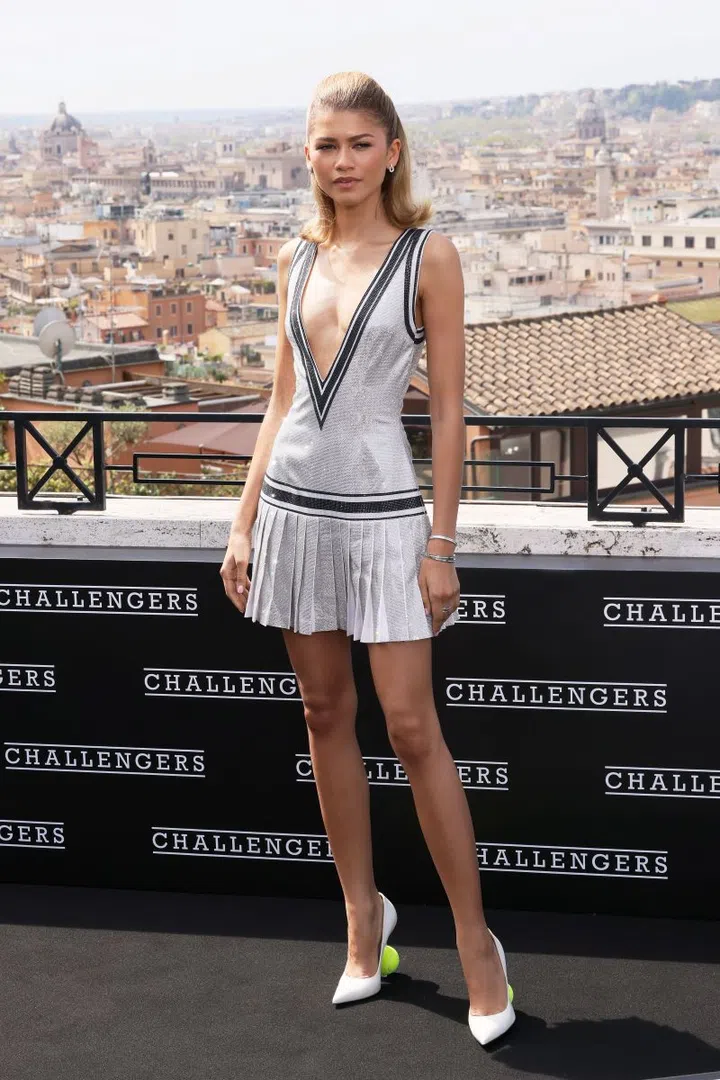
Zendaya wearing LOEWE for the Challengers premiere
Culture Beyond The Courts
Post-pandemic, where fitness studios have become social hubs, consumers have already embraced the potential that fashion has, on and off the gym floor. We’ve traded the utilitarian nylon duffels for Birkin bags in the locker rooms. We’re working up a sweat in our Chanel sneakers, and we’re teaming lululemon leggings with blazers to go from boardroom to Pilates class.
“Sports has grown beyond just athletes. It’s embedded into culture, just like music or fashion,” says Eunice Tan, group CEO at marketing agency The Secret Little Agency. “We’ve noticed this intersection between sports and culture for the past few years now, where sports has become synonymous with entertainment. One of the low-hanging fruits when it comes to partnerships is fashion, because the industry can tap onto the zeitgeist quickly.”
Little wonder why this is working out so well for fashion.
Miu Miu’s sell-out collaboration with New Balance was declared the hottest product in the first quarter of 2024 by fashion aggregator Lyst. A report by McKinsey & Company last January suggested that the sporting fashion segment could soar to approximately US$249 billion by 2026. Even the rise of social media-driven trends like blokette core points to the increasing blurring of lines between high fashion and athletic gear.
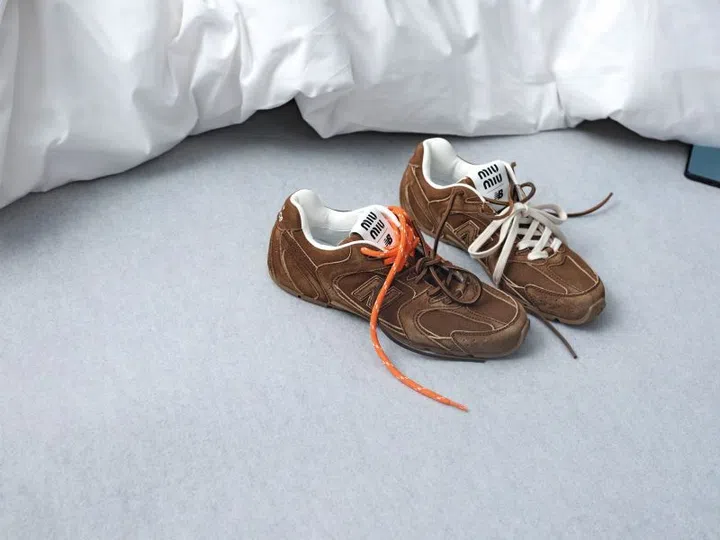
Miu Miu in collaboration with New Balance
To Mimi Lu, the head of strategy in the APAC region at marketing consultancy firm Dentsu, the magic of these sport-meets-chic collabs lies in the accessibility they offer.
“It’s a fundamental shift of luxury codes that we’re seeing,” Lu, who counts the likes of Kering, New Balance and Estée Lauder amongst her clients, explains. “With a collaboration like Miu Miu and New Balance—both of which are brands with a challenger mindset—they stand firm on their brand identity. In these partnerships, fashion houses are letting consumers know ‘This is how it feels like to wear our products, and when you’re ready to buy into us, you’ll know what to expect.”
Related article: Chanel Launches Its Sport High Jewellery Collection In Monaco
Outside The Arena
Today’s athletes aren’t just sporting pros. They’re celebrities, social media influencers and even entrepreneurs. In fact, athletes outnumbered social media influencers at this year’s Met Gala by 5 to 1.
Tan, who also consults with athletes on their personal branding, notes that how we interact with athletes and—by extension—the fashion and lifestyle brands that they represent has evolved over time.
“It wasn’t that sportspeople weren’t hanging out with celebs, but social media has given everyone a first-hand perspective into the on- and off-duty life of an athlete, and that’s attractive to the sphere of fashion,” Tan says. “People want to know what their sporting idols buy or wear when they’re off the pitch. If the audiences are also shoppers, then the brands will naturally follow.”
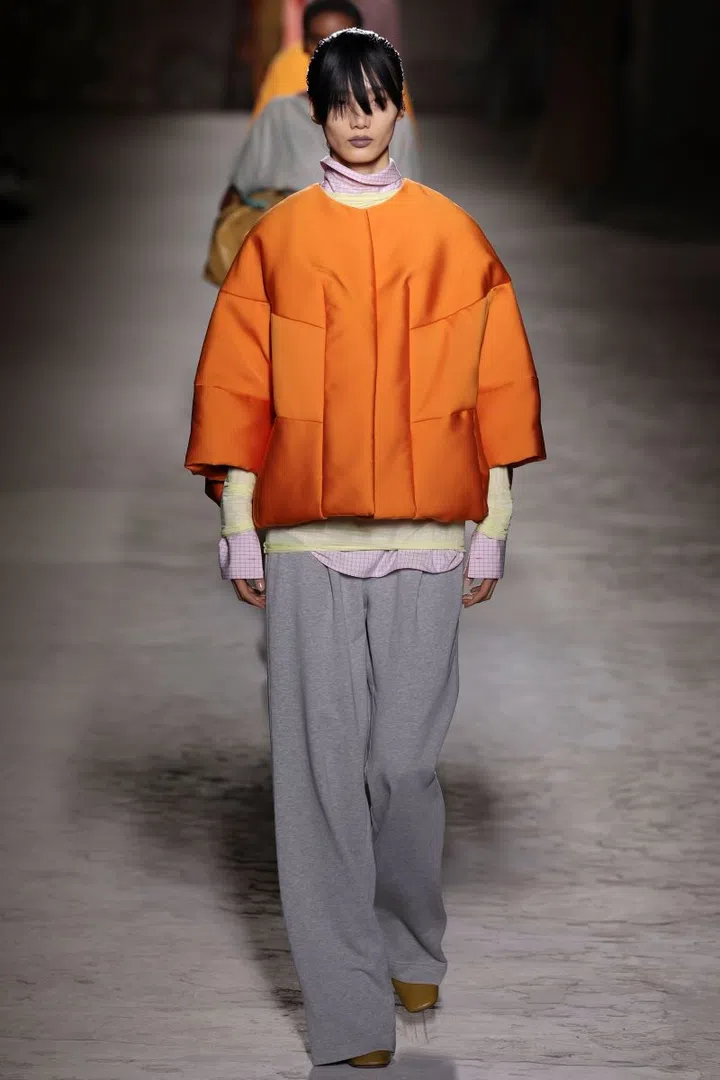
Fall/winter 2024 Dries Van Noten
Yet with any gamble, fashion’s big bet on sportsmen and women isn’t always risk-free.
When she failed a drug test in 2016, tennis superstar Maria Sharapova lost her endorsement from TAG Heuer. That same year, 12-time Olympic swimmer Ryan Lochte and his teammates fibbed about a wild night of partying by claiming they were robbed and kidnapped in Rio de Janeiro; but when investigations proved otherwise, Ralph Lauren and Speedo terminated their sponsorships.
“It’s a big switch that athletes need to make, and this is something that brands do need to be cognizant of,” Tan points out. “Athletes are not the typical models or actresses brands sign with. They have a shorter runway to get used to the limelight while preparing for their next competition.”
It’s also a reason why the brand-with-brand partnership template is being replicated more now.
“It’s probably more stable to collaborate between brands. If you track it back to the last five years, there is a dip in the level of celebrity or athlete ambassadorships,” Lu points out. “With co-branded partnerships, each has a reputation to hold up so it’s a more reliable collaboration.”
Still, whether it’s with a brand or sportsperson, the payoff for partnerships is too large to ignore, even if it means treading with caution. Last November, business advisory firm PwC predicted that the sports-sponsorship market will balloon beyond US$100 billion by 2030.
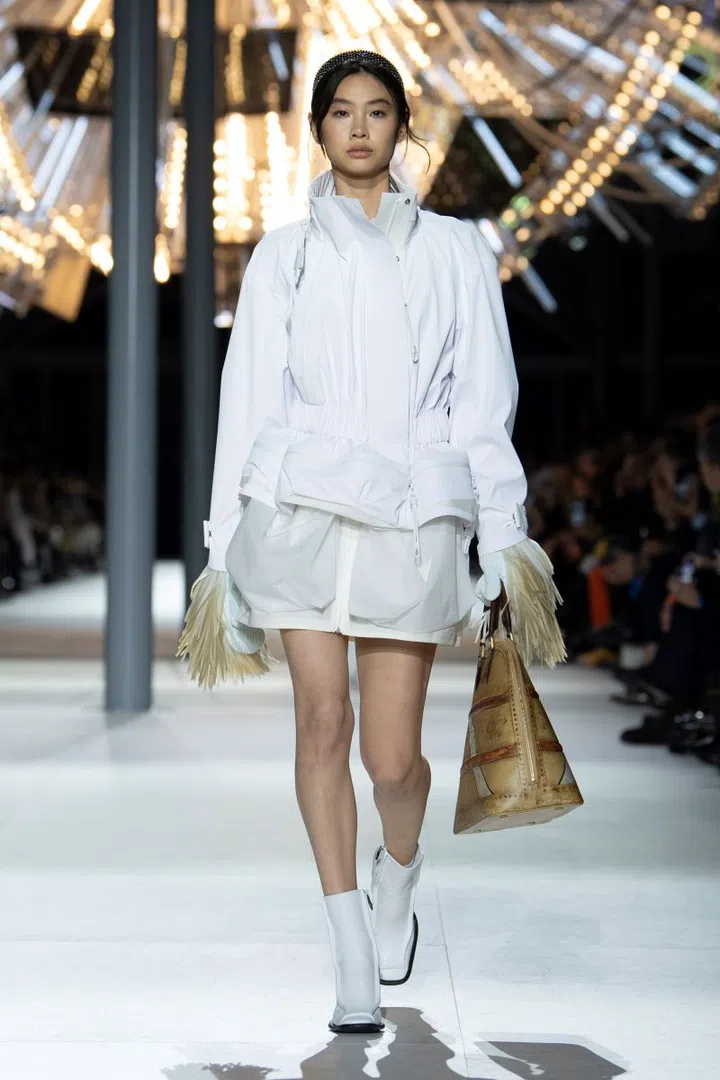
Fall/winter 2024 Louis Vuitton
Related article: 7 Athletes At The Top Of Their Fashion Game
Going The Distance
While it’s hard to say for certain, there are hopeful signs that point towards more collaborations between the two industries.
“I wouldn’t be surprised if the big conglomerates start buying up smaller sportswear brands to bolster their customer base and leverage that to expand their key fashion labels,” Lu says.
Already on the fall/winter 2024 runways, we’re seeing the sports-inclined silhouettes and fabrications we’ll be wearing for the next six months.
Balenciaga sent out an army of models clad in deconstructed track attire, whilst Dries Van Noten’s final show proposed a high-low mix of wearing ostrich feathers and silk duchesse coats with grey sweatshirt tees and track pants. Nicolas Ghesquière’s opening looks at Louis Vuitton consisted of sporty parkas as well as the sci-fi-looking mittens—perfect for traversing the ski slope.
At the Summer Olympic games in Paris, fashion has already planted its flag, with Berluti dressing France’s home team, and Ralph Lauren for Team USA. Chaumet, a brand synonymous with historic clients such as Empress Joséphine, is set to produce all the Olympic medals this year.
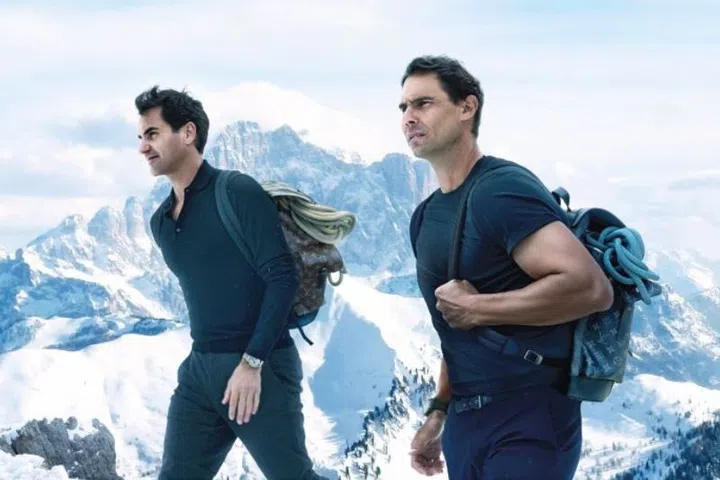
Tennis players Roger Federer and Rafael Nadal in Louis Vuitton’s Core Values campaign
At a press announcement to unveil LVMH’s position as the Premium Partner to the games, Pietro Beccari, chairman and CEO of Louis Vuitton highlighted that “achieving the impossible is a feeling shared by athletes, and this attitude is also that of Vuitton, a spirit of positivity and optimism.” Louis Vuitton is no stranger to working with sporting pros, having just relaunched their “Core Values” campaign fronted by tennis legends Roger Federer and Rafael Nadal.
“I believe that sports will continue to have a stronger foothold on culture as a whole,” says Tan. “And because of that, it will bring more dollars, more attention and as fashion would hope, more customers.”