
Celebrating 100 Game-Changing Years Of The Rolex Oyster
Few horological feats have matched the impact of Rolex’s Oyster—a waterproof and dustproof case that changed watchmaking as we know it. Here we trace its history.
By Renee Batchelor - published
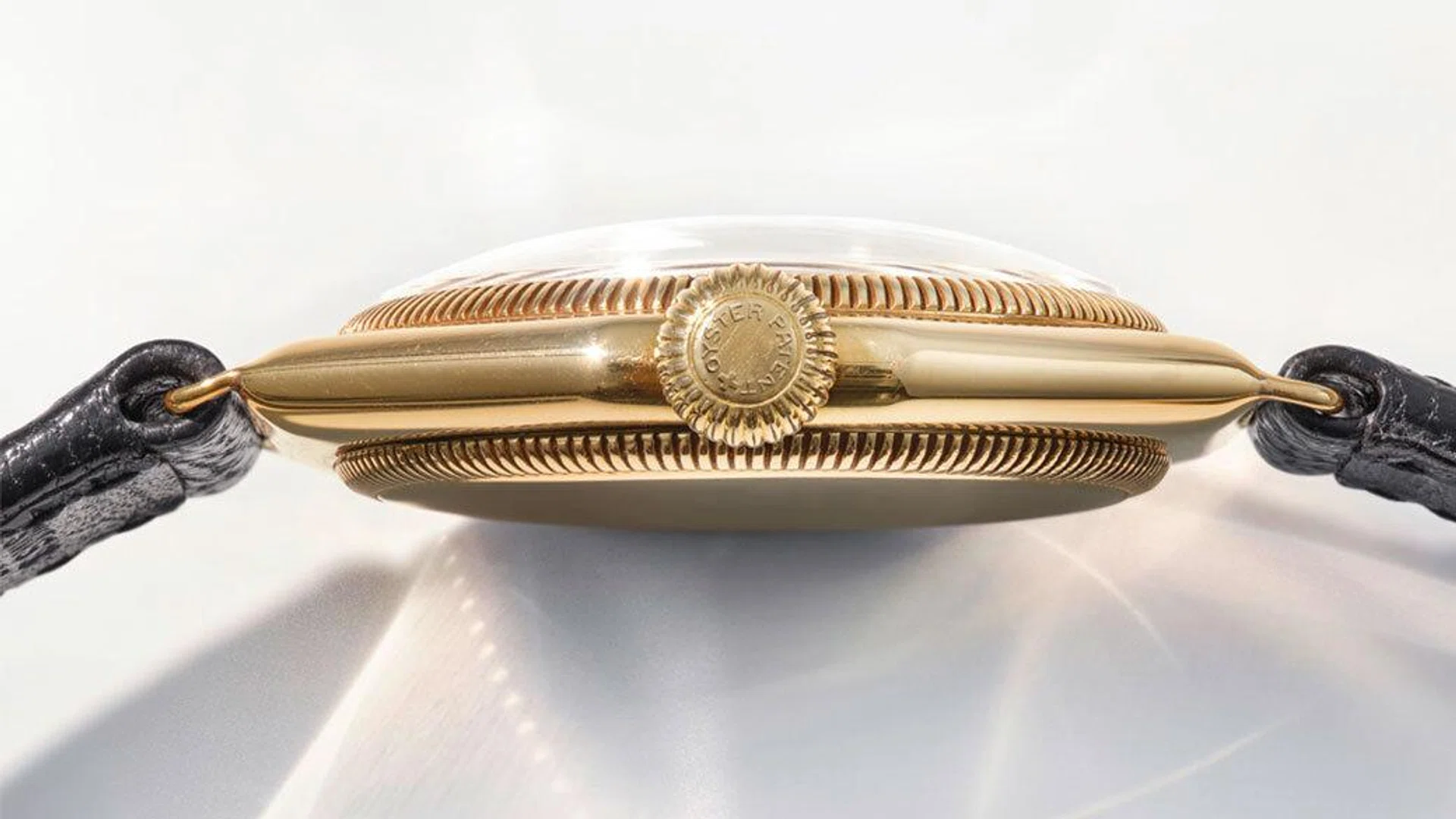
While the Rolex that we know of today is a manufacture of design and desirability, the story of the brand started more than a century ago in 1905 when it was created by brand founder Hans Wilsdorf. Throughout its history, Rolex has had many milestones, specifically the revolutionary creation of the Oyster—a waterproof and dustproof wristwatch case—that was invented in 1926.
This year marks the centenary of the Oyster, which was celebrated at the annual Watches and Wonders fair in Geneva, with the announcement of a tribute timepiece: the Oyster Perpetual 41.
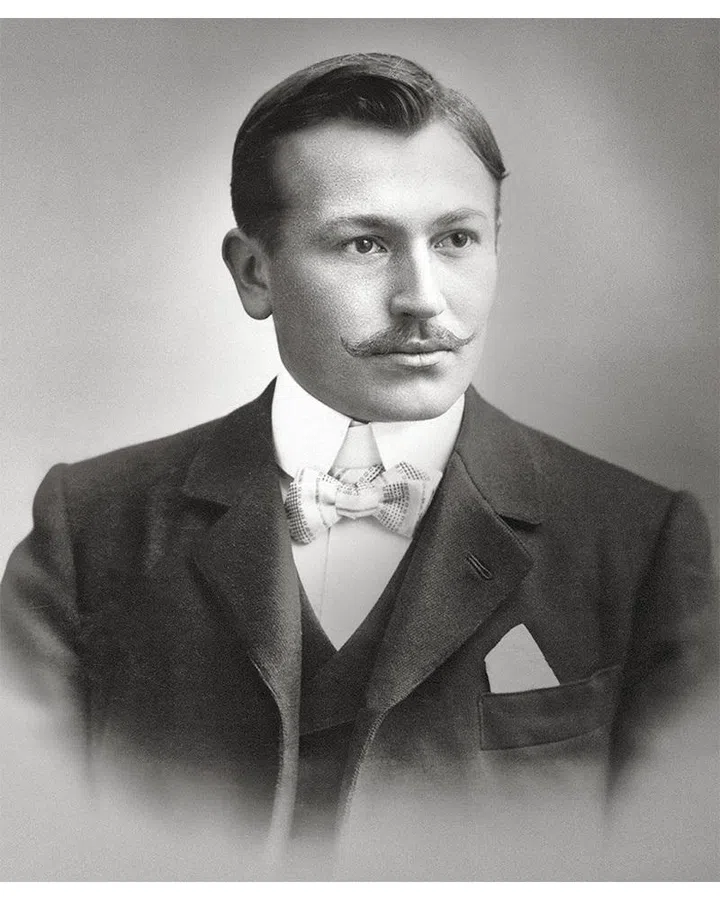
Hans Wilsdorf, founder of Rolex
What is the Oyster?
It’s hard to imagine in an era of smart watches, but in the early 1900s, most people were carrying pocket watches to tell the time. Wrist watches were seen as aesthetically pleasing, but lacking in precision. They were also more vulnerable to external damage, and many people viewed them as decorative jewellery rather than timepieces.
Wilsdorf’s dream was to create a device that was as reliable as a pocket watch, yet could be worn on the wrist. When the Rolex Oyster was created in 1926, it was literally game-changing.
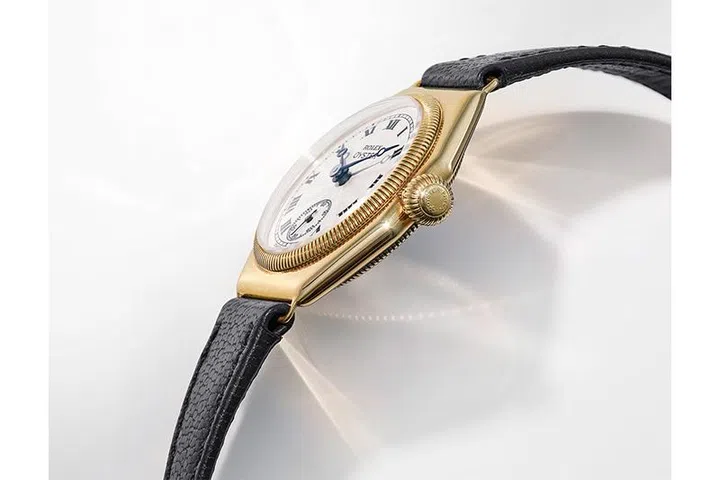
First Oyster, 1926
The Oyster ran on three key principles: precision, waterproofness, and self-winding capabilities. Although it was compact, the Oyster could match the precision of a large marine chronometer.
In 1931, Rolex invented yet another gamechanger: the Perpetual rotor. This self-winding system with a free rotor gave the Oyster an inexhaustible source of energy, hence its “Perpetual” moniker. Wilsdorf’s vision was fully realised.
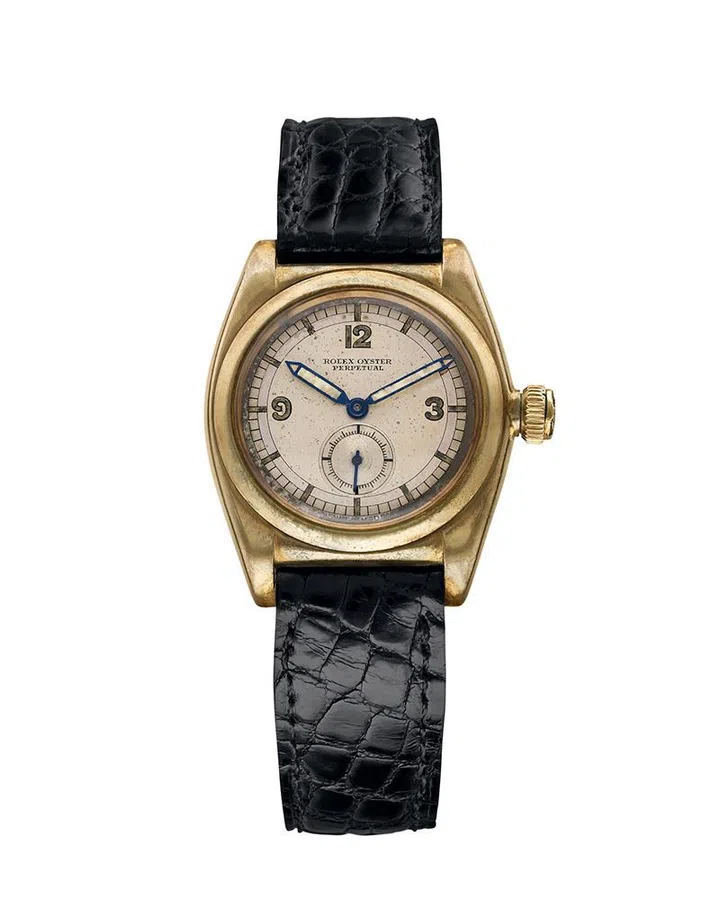
Oyster Perpetual, yellow gold, 1931
Since then, the Oyster has been a symbol of excellence celebrated for being robust, reliable and practical. Just a year after the Oyster’s creation in 1927, Wilsdorf declared, “We make the best wristwatch in the world.” And few would argue with that declaration even in 2026.
Related article: Rolex’s ‘Reach For The Crown’ Docuseries Celebrates Its Testimonees And Their Inspiring Achievements
Testing its Limits
Never one to rest on its laurels, the in-house watchmakers at Rolex have pushed the limits of the Oyster these past 100 years. The Oyster is in fact intertwined with some of the most remarkable records, sporting achievements and tests of humane endurance in both the 20th and 21st centuries. Said Wilsdorf, “Rolex Oysters have flown over Everest... crossed deserts at record speed… withstood the humidity of jungles and resisted the cold of the Arctic—without ever altering the precision of their movement.”
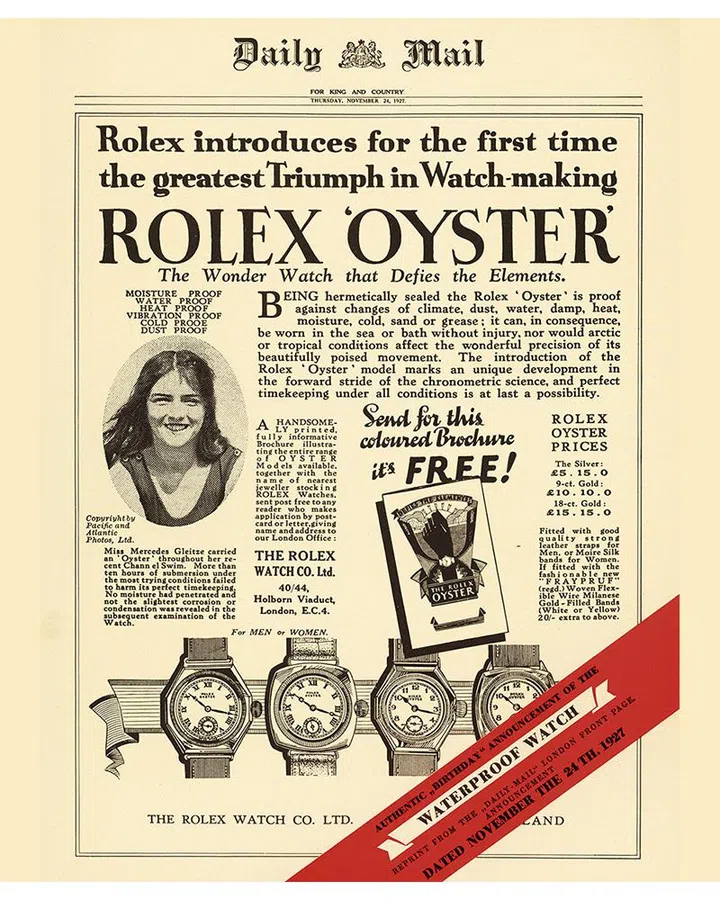
Rolex advertisement in the Daily Mail, 1927
Among its achievements was that British swimmer Mercedes Gleitze wore a Rolex Oyster while swimming the English Channel in October 1927. This landmark moment solidified Hans Wilsdorf’s conviction that excellence is demonstrated in the field, over time and under pressure.
Since then, the Rolex Oyster has been worn, tested and pushed to the limits by explorers, scientists, athletes, pilots, seafarers, mountaineers and divers. Far from the sterile confines of a watchmaking workshop or testing facility, these timepieces were tested in real time, and in real life. The feedback garnered has allowed Rolex engineers to develop and improve its watches, in perpetual pursuit of excellence and improvement.
Related article: How Rolex And Marine Biologist Sylvia Earle Are Protecting Our Oceans
The Future and Beyond
The original Oyster of 1926 evolved into the Oyster Perpetual collection from 1931 with the invention and inclusion of the Perpetual rotor. The word “Perpetual” now signified not just the original promise of reliability, practicality and robustness, but the brand’s continuing commitment to supporting extraordinary human endeavour. These watches are worn not just by ordinary people, but extraordinary ones, including the Rolex family of inspiring athletes, artists and conservationists.

Rolex Testimonees Carlos Alcaraz and Jannik Sinner
These men and women who have made their mark on the world have linked the iconic Oyster to these remarkable achievements. Among them, Rolex Testimonees including tennis stars Carlos Alcaraz and Jannik Sinner, golfer Scottie Scheffler and racing driver Jamie Chadwick.

Rolex Testimonee Jamie Chadwick
Related article: How Rolex’s Perpetual Planet Expeditions Have Been Saving Our Oceans
The brand has also launched the Perpetual Planet Initiative, driven by changemakers who endeavour not only to tackle the environmental challenges of our time, but increase our understanding of the world in order to find ways to protect it. By supporting those who take action and find solutions to today’s environmental challenges, Rolex hopes to inspire future generations to strive for a perpetual planet.
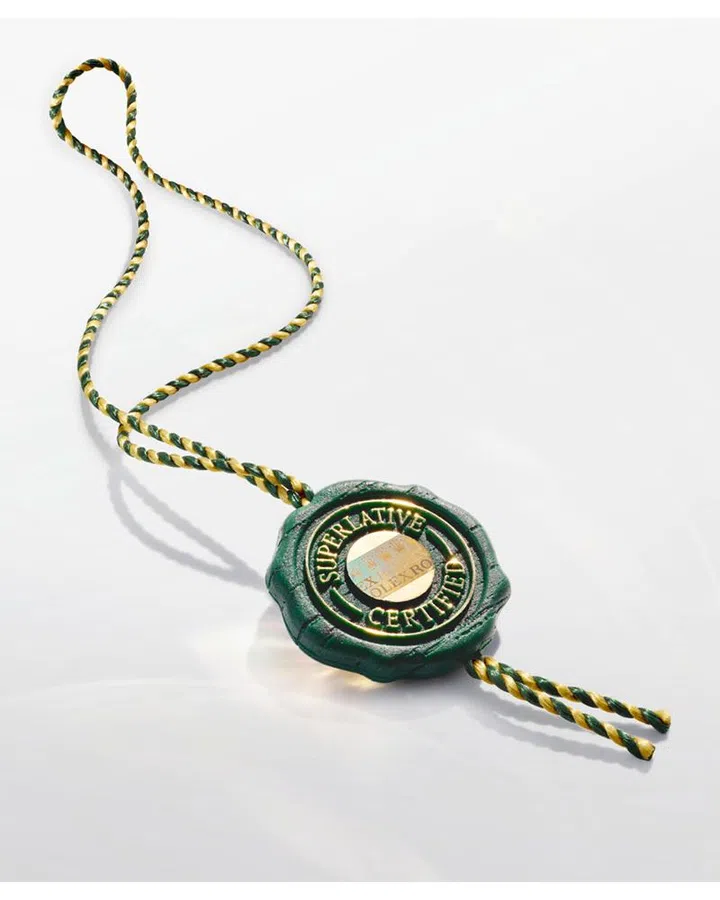
The Rolex green seal, a symbol of Superlative Chronometer status
Rolex continues its quest for extreme precision. In 2026, Rolex unveils a new, more demanding certification with strengthened criteria. Its Superlative Chronometer certification has been expanded to include seven criteria. New additions to the testing process include resistance to magnetism, reliability, and sustainability. The watchmaker is also looking into the use of quantum physics and optical atomic clocks to achieve unprecedented accuracy—contributing to the international system of Coordinated Universal Time.